
Papers of William Henry Lyttelton 1756-1760
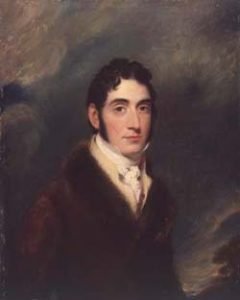
William Henry Lyttelton

William Henry Lyttelton was active in politics from 1748, becoming governor of South Carolina in 1755 after delays due to French capture. His tenure included correspondence on Indian affairs and military matters, as well as governance challenges. He later governed Jamaica and supported Grenville’s American policies. This collection comprises documents from his governorships, notably from South Carolina and Jamaica, including military correspondence and reports on Native American affairs, spanning the years 1756 to 1766.

1758, February 20, Letter to His Excellency

In this letter, Paul Demere updates his Excellency on recent developments at the Fort, including improved relations with the Tellico Indians and the successful reception of the Little Carpenter and his party. He details the gifts he provided to them, his efforts to maintain peace, and the struggles with provisions, noting limited resources and high demand. Demere expresses concern for English prisoners held by the Twighvee, shares difficulties with counterfeit currency, and addresses issues between Indians and traders. He remains committed to the welfare of the garrison and the province.

1758, November 27, Fort Loudoun

On November 27, 1758, Paul Demere reported to his Excellency about recent encounters with local warriors, including Judge Friend and the Great Warrior, who successfully engaged enemy scouts, bringing back three scalps. Demere hosted them and awarded gifts to the warriors. He also addressed the issue of John Plakett, a suspected deserter and thief, planning to send him to Charlestown for punishment. Demere sought to uphold order and expressed his commitment to addressing the infringement on their territory.

1759, January 1, Fort Loudoun

On January 1, 1759, at Fort Loudoun, Paul Demere relayed recent correspondence from Lieutenant Outerbriege and discussed his meeting with Old Hop and several Native Americans. They expressed their readiness to assist against the French if necessary. Demere reported on resource shortages, the arrival of a clergyman from Virginia, and ongoing tensions with local inhabitants. He emphasized his commitment to securing allies and maintaining vigilance against potential threats, while also updating the governor on troop and supply conditions.

1758, March 2, Fort Loudoun

On March 2, 1758, Paul Demere expressed gratitude for the Earl of Loudoun’s provision grant but lamented its late arrival, which had caused him significant difficulties. He urgently requested Mr. Stead to send provisions, particularly meat, as they were scarce and expensive. He highlighted the need to entertain visiting Indian tribes for diplomatic relations and noted challenges in sustaining personnel at Fort Loudoun. Demere reported on local movements of warriors and the potential for planting crops while stressing the dire need for additional recruits.

1757, August 4, Letter to Cherokee Nation

In a letter dated August 4, 1757, Edmon Pittkins, King George’s agent, addresses the Cherokee Nation, reaffirming the British Crown’s commitment to their alliance. He acknowledges the need for better communication between the colonies and the Cherokee, especially amid ongoing tensions with the French. Pittkins emphasizes the historical bond formed in 1730 and encourages the Cherokees to unite with the English against their common enemies. He assures them that promised goods will be delivered and advises them to await official communication before sending more warriors.

1757, October 11, Letter #2

On September 13, Judge Friend arrived sick from Virginia, bringing gifts, including horses. He expressed his support for the English, planning to speak with local Indigenous groups, particularly the Telliquo. During a Green Corn Dance, relations with the Catawbas were reaffirmed, and preparations for war against the French commenced. The Telliquo People, initially wary, sought forgiveness and pledged loyalty to the English after recognizing their mistakes. As the Little Carpenter and warriors prepared for conflict, they aimed to maintain peace with all tribes, promising to return after four moons.

1757, October 8, Willanawa’s Talk

In this talk, the Cherokees express their disappointment with the recent message from the Governor of South Carolina regarding violence but maintain hope for future favorable communications. They affirm their allegiance to King George and their resolve to ignore the Savannahs’ influence while aligning with English settlers. The Tellico people, having pledged loyalty, seek ammunition from the Governor for mutual defense against enemies, specifically referencing their readiness to confront the French and their allies alongside their English brothers.

1758, October 15, Fort Loudoun

On October 15, 1758, Paul Demere informed the governor that he delivered a letter to Chotee, who expressed his commitment to maintaining peace between the English and his people. Chotee sent messages and wampum to the lower towns, emphasizing unity against any aggression. Demere also mentioned his good relations with Chotee and his willingness to support military action against the French if opportunities arise. He requested updates on northern engagements, reflecting his concern over communication issues with the Upper Cherokees.

1758, November 6, Fort Loudoun

On November 6, 1758, Paul Demere reported to his superior concerning the quietness in the region since his last correspondence. He recounted a visit to Old Hop’s town, noting the absence of men, who were allegedly hunting. However, he learned of recent attacks by enemy Indians, resulting in multiple fatalities among hunters, including a couple found scalped. Demere expressed concern over potential reprisals and the fragility of alliances, indicating preparations for upcoming military actions against the French fort.

1758, July 31, Fort Loudoun

In a letter dated July 31, 1758, from Fort Loudoun, Paul Demere expresses concern over issues with payment certificates for necessary supplies and construction work. He details how he was unable to secure adequate compensation for building work on chimneys and the guard house, indicating the Assembly’s refusal to accept certain expenses. Demere emphasizes that the work was essential and implies that the absence of a Commissary has led to increased costs for the public. He conveys his worries about these financial challenges.

1759, November 22, Fort Loudoun

On November 22, 1759, John Stuart reported to Governor Lyttelton regarding Macknamar’s arrival and the response to the governor’s letter. Captain Demere conveyed the Carpenter’s positive reaction to the governor’s offer to remove the black beads. The Carpenter expressed emotional conflict over potential violence against the French but was persuaded to support the governor’s plans. Messengers were sent to gather the tribes, who were still hunting, and an impressionable shift in the Carpenter’s attitude toward collaboration was noted.

1757, October 11, Fort Loudoun

On October 12, 1757, Paul Demere reported to his Excellency the challenges faced with the local Indians, including their demands for repairs and supplies. He detailed the progress at Fort Loudoun, including completed barracks and preparations for cattle slaughter. Additionally, Demere noted interactions with Talico chiefs, expressing hope for their alliance against the French. The Indians acknowledged their past mistakes and promised to befriend the English, reflecting shifting sentiments. Demere presented this report with respect and diligence amidst ongoing tensions.

1758, May 20, Fort Loudoun

On May 20, 1758, Paul Demere reported to the governor on provisions and supplies at Fort Loudoun. He noted the arrival of Indian presents and their distribution, along with poor conditions of pork and bacon received. Demere mentioned ongoing repairs and the need for nails, as well as his efforts to dig a well. He relayed the return of warriors from a failed military expedition and the movements of other Indian groups. Lastly, he requested orders regarding the sustenance of various individuals at the fort.

1758, April 10, Fort Loudoun

On April 5, Lieut. Col. Honorth arrived at Fort Loudoun bearing a letter from the Governor. Paul Demere expressed concern that few Indians would accompany Honorth, as many had departed toward the French Fort. He noted that a group of 21 Indians from Satico had recently returned, bringing two scalps with them, supposedly from Creeks, but left dissatisfied due to a lack of presents. Demere concluded his message with expressions of loyalty and respect.

1758, July 30, Fort Loudoun

On July 21, Paul Demere met with Chotee’s leaders, including old Hopp, to discuss tensions arising from recent conflicts in Virginia. Old Hopp expressed concern over the behavior of some warriors and confirmed awareness of issues involving stolen goods. He announced plans to gather the lower towns for discussions and emphasized a desire to maintain peace with white settlers. Demere also mentioned a report of potential hostilities against Keowee Fort and sought guidance on encouraging war against French forces, highlighting ongoing complexities in local relations.

1758, June 24, Fort Loudoun

On June 24, 1758, Paul Demere reported to his Excellency about the troubling events surrounding the Fort. Two men, John Brown and McClain, enticed a soldier, Thomas Thompson, to accompany them under false pretenses. Demere dispatched Native allies to pursue the fugitives, though they encountered difficulties due to enemy presence. He detailed interactions with local warriors regarding military expeditions and noted issues with supply quality. The letter concluded with concerns about Indian hostilities against settlers and a request for clothing for his men.

1758, September 30, Fort Loudoun

On September 30, 1758, correspondence from Paul Demere details the recruitment of Cherokee warriors for warfare against the French, prompted by a letter from Governor Glen. The Little Carpenter and others prepared for a campaign set to commence in August. Tensions rose as recent violence from white settlers against the Cherokee heightened calls for revenge. Additionally, concerns about unfair trade practices by Mr. Elliot, who threatens local traders, were raised, along with issues regarding supplies necessary for the fort’s upkeep.

1759, November 23, Fort Loudoun

On November 23, 1759, Paul Demere reported to his superior regarding interactions with the Little Carpenter, an Indian leader. The Little Carpenter was pleased with intentions to reward him but became concerned when not invited to meet. Efforts to secure Charles McCunningham were hindered by warnings from local informants. Demere noted an absence of bad sentiments, although a conjurer threatened potential hostilities. He expressed confidence in acquiring corn despite poor harvests and extended his wishes for health and success in ongoing endeavors.

1759, December 4, Fort Loudoun

On December 4, 1759, Paul Demere reported to the Governor regarding communications and interactions with local Indigenous leaders. He noted that Macklemore had returned safely after being deterred by potential dangers on the path. The Little Carpenter expressed concern over Old Hop’s growing animosity due to his military actions against the French and assured he would visit the Governor soon. Additionally, Demere mentioned the arrival of various tribes and the supply situation at Fort Loudoun, maintaining a positive outlook despite the circumstances.