Abington Massachusetts Marriage and Death Records
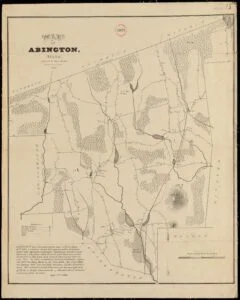
1830 Map of Abington, Massachusetts

Volume 2 of the Abington, Massachusetts vital records compiles marriage and death records up to 1850, complementing Volume 1, which contains birth records. Established in 1712, Abington’s boundaries have shifted, affecting historical jurisdiction. Extensive research from town records, cemeteries, and family Bibles ensured comprehensive documentation, including the identification of Black families recorded by given names. The volume is organized alphabetically by marriages and deaths.

Abington Massachusetts Birth Records

1830 Map of Abington, Massachusetts

Volume 1 of the Abington, Massachusetts vital records details births recorded in the town up to 1850, featuring comprehensive research from town records, cemeteries, and church documents. Established in 1712, Abington’s jurisdictional changes may affect genealogical searches. The records also include separate listings for Black families, primarily by given names. Additionally, various surnames are cataloged, emphasizing the need to consider alternate spellings. For marriages and deaths, researchers should consult Volume 2.

Vital Records of Bellingham, Massachusetts

Vital Records of Bellingham Massachusetts to the year 1850

Alphabetical indexes to the vital records of Bellingham, Massachusetts, up to the year 1850, supplemented by information from bible records, church registers, cemetery inscriptions and other private sources to include the diary kept by Samuel Wight and his daughters.

Medway Massachusetts vital records

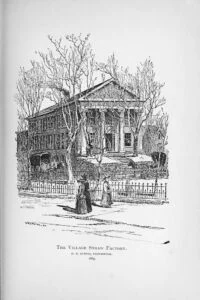
Medway Village Straw Factory

Alphabetical indexes to the vital records of Medway, Massachusetts, up to the year 1850, supplemented by information from church registers, cemetery inscriptions and other private sources to include Rev. Dr. Jacob Ide’s account of Marriages and Deaths, 1814-1849.

Southborough Massachusetts vital records

Vital records of Southborough, Massachusetts, to the end of the year 1849 title page

The list of vital records of Southborough, Massachusetts, comprised in this volume includes all which were entered in the Town Books during the period from the earliest date there found to the end of the year 1849. Some additions and corrections of names and dates have been made from the records of the First Church, these being indicated in each instance by proper reference. There are a total of 6,267 births, marriages, and deaths recorded. This book is free to read or download.

The Amidon Family of Rehoboth, MA

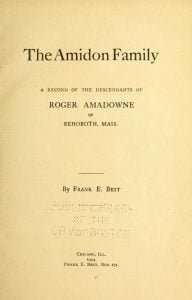
The Amidon Family

The Amidon Family genealogy book details the lineage of Roger Amadowne, a French Huguenot who fled to England and later to America after the revocation of the Edict of Nantes. Documented in Salem, Massachusetts in 1637, variations of his surname include Amadon, Amidown, and Ammidon. The work, organized with biographical sketches and two helpful indexes, presents the family’s history and is richly illustrated. Originally published in 1904, it serves as a valuable resource for descendants and historians alike.

Abbe-Abbey Genealogy

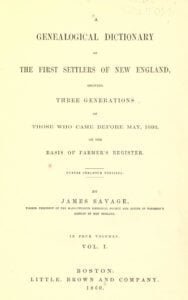
A genealogical dictionary of the first settlers of New England vol 1

The “Abbe-Abbey Genealogy” serves as a comprehensive and meticulously compiled homage to the heritage of the Abbe and Abbey families, tracing its roots back to John Abbe and his descendants. Initiated by the life-long passion of Professor Cleveland Abbe, this genealogical exploration began in his youth and expanded throughout his illustrious career, despite numerous challenges. It encapsulates the collaborative efforts of numerous family members and researchers, including significant contributions from individuals such as Charles E. Abbe, Norah D. Abbe, and many others, each bringing invaluable insights and data to enrich the family’s narrative.

The Hazard family of Rhode Island 1635-1894

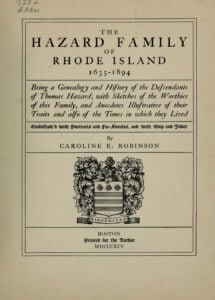
The Hazard family of Rhode Island 1635-1894

The Hazard family of Rhode Island 1635-1894 – Being a genealogy and history of the descendants of Thomas Hazard, with sketches of the worthies of this family, and anecdotes illustrative of their traits and also of the times in which they lived.

Ancestry of Walter Lyman French

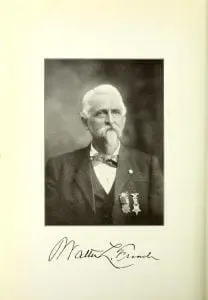
Walter L. French

Walter Lyman French, born on May 4, 1843, in Brockton, was a prominent entrepreneur known for his contributions to various industries, particularly in the shoe and grocery trades. Descended from early New England settlers, he engaged in military service during the Civil War and later established himself in business after the war. French was active in local politics and community organizations, reflecting a dedication to service and leadership. He married Lucy Ames, and they had a daughter, Ellen Lucinda. French has been recognized for his significant impact on the Brockton community.

Weymouth ways and Weymouth people

Weymouth ways and Weymouth people

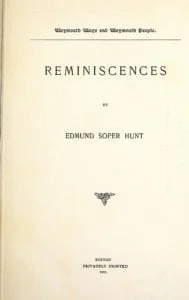
Edward Hunt’s “Weymouth ways and Weymouth people: Reminiscences” takes the reader back in Weymouth Massachusetts past to the 1830s through the 1880s as he provides glimpses into the people of the community. These reminiscences were mostly printed in the Weymouth Gazette and provide a fair example of early New England village life as it occurred in the mid 1800s. Of specific interest to the genealogist will be the Hunt material scattered throughout, but most specifically 286-295, and of course, those lucky enough to have had somebody “remembered” by Edward.

Descendants of William Brett of Bridgewater, MA

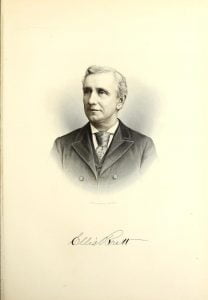
Ellis Brett

Ellis Brett, born in 1840 in North Bridgewater, MA, is a notable figure descended from William Brett, an early settler of Bridgewater, who arrived in 1645. Ellis’s lineage includes influential ancestors who were active in both church and civic duties. He became a respected community leader and businessman in Brockton, serving various roles in local government and finance, including president of the Plymouth County Trust Company. His family ties connect him to the Mayflower lineage, emphasizing the historical significance of the Brett family in New England.

Progressive Men of Western Colorado

Early Life in Colorado

This manuscript, in its essence, is a collection of 948 biographies of prominent men and women, all leading citizens of Western Colorado. In this context, Western Colorado encompasses the counties of Archuleta, Chaffee, Delta, Eagle, Garfield, Gunnison, Hinsdale, La Plata, Lake, Mesa, Mineral, Moffat, Montezuma, Montrose, Ouray, Pitkin, Rio Blanco, Routt, San Juan, and San Miguel.

Descendants of Jonathan White, Brockton, MA

Hon. Jonathan White, born in 1819 in East Randolph (now Holbrook), Massachusetts, was a distinguished lawyer and significant public figure in Brockton. His lineage traces back to Thomas White, an early settler in Weymouth. Educated at Phillips Andover and Yale, White practiced law in North Bridgewater and served as the first city solicitor of Brockton. A notable advocate for public education, he played a pivotal role in establishing the town’s high school and was involved in numerous civic projects, leaving a lasting legacy in the community.

Descendants of Davis Snow Packard of Bridgewater, Massachusetts

Davis Snow Packard, born June 24, 1826, in North Bridgewater, Massachusetts, became a notable manufacturer and public figure in Brockton. He co-founded a successful boot and shoe counter company, which he later expanded. Packard played a significant role in local banking and civic organizations, serving as president of the Brockton National Bank and participating actively in the Brockton Agricultural Society. His public service included roles as selectman and state representative. He passed away on July 31, 1900, leaving a legacy of enterprise and community service.

Howard Family of Brockton Massachusetts

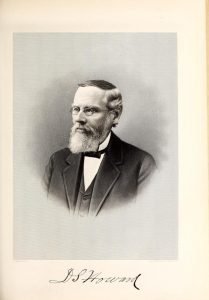
D. S. Howard

The Howard family, descendants of John Haward who settled in Bridgewater, Massachusetts, in 1651, has significantly influenced the local community for over 260 years. John was a prominent figure, serving as a military officer and town selectman. His lineage continued to produce notable members, including Capt. Daniel Howard, who helped establish North Bridgewater, and Daniel S. Howard, a successful shoe manufacturer and philanthropist. The family has maintained a legacy of service and respectability, exemplified by their contributions to local institutions and governance in Brockton.

1899 Directory for Middleboro and Lakeville Massachusetts

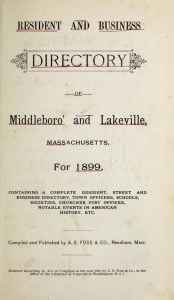
1899 Middleboro and Lakeville Massachusetts Directory Cover

The 1899 Directory for Middleboro and Lakeville, Massachusetts, compiled by A. E. Foss & Co., provides a comprehensive list of residents and businesses, alongside town officers, schools, churches, and societies. It includes notable historical events and offers a detailed account of the local community, featuring numerous surnames from both towns. This directory serves as an essential resource for understanding the demographics and social structure of Middleboro and Lakeville during that period.

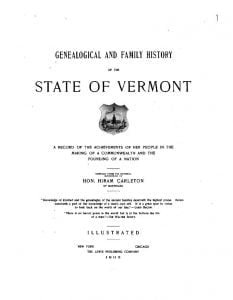
Genealogical and Family History of Vermont

Genealogical and Family History of the State of Vermont vol 1

Hiram Charlton took on the publication of the Genealogical and Family History of the State of Vermont for Lewis Publishing. In it, he enlisted the assistance of living residents of the state in providing biographical and genealogical details about their family, and then he published all 1104 family histories in two distinct volumes.

The Original Grantees of Norwich Vermont

On July 5, 1761, a number of men received land grants for what would become Norwich, Vermont. Most were from Mansfield, Connecticut, though many never visited the town. The list includes individuals such as Eleazer Wales, Abner Barker, and Ebenezer Heath, among others. Notably, some opted not to accept their grants. The document serves as a historical record of the original grantees, highlighting their connections to Connecticut and their role in the early settlement of Norwich.

Norwich Vermont an Independent Township

The political organization of America began with the Township, particularly in New England, where towns emerged as independent entities with self-governing rights in the mid-17th century. Town meetings served as foundational democratic institutions, allowing citizens to elect officials and manage local affairs. Norwich, Vermont, exemplified this tradition, organizing its town government in 1761 before any settlers arrived. Its early record-keeping and governance practices reflect a commitment to law, order, and community engagement, which have shaped its ongoing civic structure.