
1758, February 20, Letter to His Excellency

In this letter, Paul Demere updates his Excellency on recent developments at the Fort, including improved relations with the Tellico Indians and the successful reception of the Little Carpenter and his party. He details the gifts he provided to them, his efforts to maintain peace, and the struggles with provisions, noting limited resources and high demand. Demere expresses concern for English prisoners held by the Twighvee, shares difficulties with counterfeit currency, and addresses issues between Indians and traders. He remains committed to the welfare of the garrison and the province.
1757, October 11, Letter #2

On September 13, Judge Friend arrived sick from Virginia, bringing gifts, including horses. He expressed his support for the English, planning to speak with local Indigenous groups, particularly the Telliquo. During a Green Corn Dance, relations with the Catawbas were reaffirmed, and preparations for war against the French commenced. The Telliquo People, initially wary, sought forgiveness and pledged loyalty to the English after recognizing their mistakes. As the Little Carpenter and warriors prepared for conflict, they aimed to maintain peace with all tribes, promising to return after four moons.

1757, October 8, Willanawa’s Talk

In this talk, the Cherokees express their disappointment with the recent message from the Governor of South Carolina regarding violence but maintain hope for future favorable communications. They affirm their allegiance to King George and their resolve to ignore the Savannahs’ influence while aligning with English settlers. The Tellico people, having pledged loyalty, seek ammunition from the Governor for mutual defense against enemies, specifically referencing their readiness to confront the French and their allies alongside their English brothers.

1757, October 11, Fort Loudoun

On October 12, 1757, Paul Demere reported to his Excellency the challenges faced with the local Indians, including their demands for repairs and supplies. He detailed the progress at Fort Loudoun, including completed barracks and preparations for cattle slaughter. Additionally, Demere noted interactions with Talico chiefs, expressing hope for their alliance against the French. The Indians acknowledged their past mistakes and promised to befriend the English, reflecting shifting sentiments. Demere presented this report with respect and diligence amidst ongoing tensions.

1757, July 20, Fort Loudoun

On July 15, a gathering of various Indian tribes occurred at Chota Town to hear news from Creek messengers, which proved to be mere friendly advice. Tensions persisted regarding a lack of promised traders from Carolina, leading to dissatisfaction among the Cherokees. Reports emerged of successful military engagements by Cherokees against French allied tribes. A Chickasaw prisoner shared discontent with French support, indicating a shift in tribal alliances. Cherokees prepared for further conflict, indicating a readiness for war despite growing unrest regarding trade and supplies.

1757, July 23, Fort Loudoun Letter 1

On July 20th, Mr. Elliot arrived at Fort Loudoun, expressing concerns about the deteriorating relations with the Indians due to ammunition shortages. The Indians perceive the fort’s lack of supplies as a threat, prompting a meeting with headmen to address their grievances. Despite Elliot’s request for ammunition, the author refrained from making promises on behalf of the Province and assured he would communicate with the Governor. The Indians agreed to write directly to the Governor about their concerns. The author remains cautious about the situation, particularly regarding recent reports of Savannah interactions.

1757, July 23, Fort Loudoun Letter 4

In a letter dated July 23, 1757, John Stuart discusses the troubling relations with the Creek nation, revealing that French influence remains a concern. Despite professed friendship from Creek leaders, there is discontent and suspicion about French intentions. The meeting at Chota yielded few attendees and a general expectation of negative news. Stuart highlights the need for supplies to appease the Indians, as discontent grows due to interference from unlicensed traders. He notes communications with the Savannahs and anticipates further discussions with Native leaders.

1759, November 3, Fort Loudoun

On November 3, 1759, Paul Demere reported to his superior about recent engagements involving Indian tribes and French forces. Little Carpenter and his group captured two French prisoners and engaged in skirmishes, resulting in casualties. They also ambushed a boat carrying supplies to Fort La Afsumption, leading to further enemy losses. Demere noted the apprehension among local tribes regarding their commitments and the supply situation at the fort, expressing concern over dwindling resources while awaiting further assistance.

1757, August 31, Fort Loudoun

On August 21, 1757, Paul Demere at Fort Loudoun relayed a message from M. Atkins, which he shared with local Cherokee leaders. They expressed dissatisfaction with broken promises regarding the supply of traders and ammunition, citing growing tensions with neighboring tribes. The Little Carpenter distanced himself from recent conflicts and sought more trade to appease the youth. The Cherokee offered a token of friendship, indicating a desire to mend relations. Demere requested supplies, especially ammunition, to support the fort’s security amidst these challenges.

1757, July 4

On July 4, 1757, Ray Demere communicated with his Excellency concerning the safe arrival of dispatches and expressed gratitude for the leave of absence granted to return to Charles Town. He reported on the potential threat posed by Monsieur De Therleree and French efforts to sway the Cherokees, advising vigilance. Demere discussed cattle management for sustenance and detailed interactions with neighboring tribes, emphasizing the necessity of maintaining alliances and preventing conflict. His correspondence reflects both strategic foresight and the challenges faced in managing relations with Native American nations.

1757, June 26

On June 19, a young prince from the Savannah’s returned from the Creek Nation, reporting on the state of the Savannahs and their hunting activities. The Creeks proposed that the Savannahs either join their northern brothers or split among their towns. Meanwhile, significant rain had damaged fortifications, prompting repairs. The fort construction faced challenges due to an incompetent mason, leading to the hiring of better workers. Food shortages were pressing, with only two milk cows left, but cattle were reportedly on the way. The letter concludes with news of recent skirmishes and the author’s ill health.

1757, July 11, Fort Loudoun Letter 1

In a letter from Fort Loudoun, Ray Demere discusses various communications received from other officers, including concerns about the influence of French connections among Native Americans. He relays sentiments from the Cherokee regarding a proposed fort at Tufkegee, with reluctance expressed about white settlers’ presence. Demere emphasizes the Cherokee’s reliance on English traders for supplies and their disapproval of any French alliances. He also notes plans for a meeting to address these issues, urging the importance of maintaining English support among the Cherokees.

1757, June 12

On June 6, Captain Demere received intelligence regarding the presence of seven men and two women from the Savanah tribe in Telizua. Concerned about their proximity and their past hostility, he and his associates sought Cherokee cooperation for an offensive against the Savanahs. After discussions with Cherokee leaders, a plan was formulated to intercept the Savanahs as they returned home. On June 9, an ambush resulted in the deaths of three Savanahs. The operation aimed to deter further interactions and strengthen alliances between the Cherokees and the English.

1757, August 30

On August 30, 1757, Old Hop, the Cherokee leader, gathered with other influential figures at the Fort to express friendship with King George and opposition to the French. He sought clemency for John Brown, a runaway accused of theft. While trade concerns were raised, particularly about the lack of ammunition and traders, the Little Carpenter requested the Governor halt rewards for scalps following a regrettable incident involving the Chickasaws. Capt. Demere pledged to convey their needs and concerns to the Governor.

1757, July 9, Fort Loudon Letter 1

In a letter dated July 5, 1757, from Fort Loudon, Ray Demere reports on ongoing tensions with the French and Creek nations. A messenger from the Creek nation expressed displeasure over the killing of Savannahs, recounting their complaints about English actions. Two Creek warriors arrived with news of a potential French settlement at the Forks of the Savannah River. The Little Carpenter emphasized the urgency of a response to this threat, seeking English assistance to prevent the French from establishing a stronghold.

1757, May 26, Paper from O Tafsity

On May 26, 1757, O Tafsity wrote to Connecotte regarding his arrival at the Cattawbers and plans to head to Fort Cumberland. He reported that only old men remained, as the warriors had gone to war in Virginia. O Tafsity shared news of recent victories against the French and stressed the need for reinforcements. The Cattawbers, united under Chota, pledged support for the English and remained committed to the fight. The letter emphasized solidarity and the determination to hold the line against their adversaries.

1757, May 26, Paper from King Hagier

On May 26, 1757, King Hagier of the Catawbers sent a message to Captain Raymond Demere, representing the Governor of Virginia. It urged the Cherokee to assist the Virginia forces against the French and their allied tribes. King Hagier noted their previous engagements, including a raid that resulted in casualties on both sides. He emphasized the unity between the Catawbers and the Virginians and expressed hope for their combined efforts at Cumberland Fort, reinforcing their brotherhood in this conflict.

Shawnee Tribe

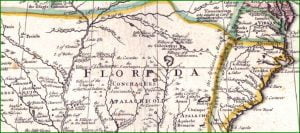
1710 Senex Map Portion

The Shawnee tribe, originally located in South Carolina, Tennessee, Pennsylvania, and Ohio, were known for their migratory nature and connections to other tribes. Their name reflects their southern origins, and they played a significant role in regional conflicts, particularly against the Catawba. Over time, they migrated northward, facing pressures from colonial settlers and rival tribes, eventually settling in Ohio. Their history is marked by alliances and conflicts, particularly in the context of the French and Indian War and the Revolutionary War, leading to eventual displacement and incorporation into various territories.