
Lord Dunmore’s War

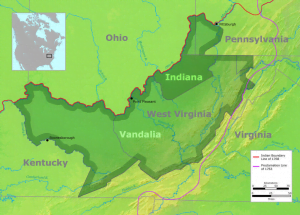
Vandalia Colony

The text details the events leading to and during Lord Dunmore’s War, sparked by illegal encroachments into the Vandalia Colony and violent acts against Native Americans by Virginians. It highlights the treaties made with various tribes and the resultant loss of their lands. The war began in response to brutal murders committed by settlers, leading to conflict with the Shawnees. Despite military advances by Virginia’s forces, Dunmore ultimately sought peace, yet tensions persisted as violence against Native Americans continued unabated.

Genealogy of Henry Austin, Sr.

Henry Austin, Sr. (1736-1821), son of Samuel Austin and Elizabeth Marshall, married Sarah Harrison in 1758. He served in both Lord Dunmore’s War and the French and Indian War, receiving land grants for his service. By 1790, he had a sizable family and plantation. In 1795, he gifted land for a church, now known as Bingham’s Church. His will, written in 1821, detailed his estate and bequests to his wife and children, affirming his legacy in Albemarle County, Virginia.

List of Scouts

The individuals listed were recognized as defenders of the frontier in 1774, though they did not take part in the Battle of Point Pleasant. Their contributions reflect a commitment to frontier defense during this turbulent time.

John Murray’s Company Of Volunteers

Captain John Murray led a Company of Volunteers in the Botetourt County Regiment, which included key officers such as Lieutenant William McKee, who assumed command upon Murray’s death at Point Pleasant. The company consisted of 78 members, featuring numerous sergeants and privates, reflecting a diverse group of individuals committed to their cause. This list highlights the organization and personnel involved in this volunteer unit during a significant period in early American military history.

Garrisons at the Upper Station

The list includes men identified as defenders of the frontier in 1774, explicitly noting that they did not partake in the Battle of Point Pleasant. The garrison at the Upper Station features individuals such as Ensign John Campbell, Sergeant Isaac Spratt, and others, totaling numerous names, some of whom were absent without leave. This roster reflects the composition of local militia forces during a critical period in frontier defense.

Captain Daniel Smith’s Company

Captain Daniel Smith led a company of militia in Fincastle County in 1774, composed of various ranks including a lieutenant and two ensigns. Notably, this unit did not take part in the Battle of Point Pleasant. The muster roll features a diverse group of privates, indicating a significant local commitment to frontier defense during this period. The document, although undated, is likely from the spring of 1774 and reflects the militia’s readiness to protect the frontier.

Captain William Nalle’s Company

Captain William Nalle led a company of volunteers in the Augusta County Regiment, comprising 54 members. The company included key officers such as Martin Nalle as Lieutenant and Jacob Pence as Ensign, along with several Sergeants. The ranks featured a diverse group of Privates, contributing to the unit’s strength. This roster reflects the organization and personnel structure typical of military units during that era.

Captain William Campbell’s Company

Captain William Campbell’s Company, part of the Fincastle County Battalion, comprised 39 men, though only 15 names have survived. The company was led by Captain William Campbell, and notable privates included Philemon Hoggins, Benjamin Richardson, and Joseph Newberry, among others. This brief record highlights the personnel associated with the company during its service.

Captain Philip Love’s Company Of Volunteers

Captain Philip Love led a Company of Volunteers within the Botetourt County Regiment, consisting of 50 members. The command structure included Lieutenant Daniel McNeill, Ensign John Mills, and Sergeant Major William Ewing among others. Notable sergeants included James Alexander, who was wounded at Point Pleasant. The company comprised various privates, such as Robert Owen, Samuel Andrews, and William Scott, highlighting a diverse group of individuals committed to service. This unit reflects the organized military efforts during its time.

Robert Doack’s Company of Militia

Robert Doack’s Company of Militia, formed in June 1774, consisted of local men organized for frontier defense, though they did not participate in the Battle of Point Pleasant. The company was led by Captain Robert Doack, who passed away later that summer, with John Stephens and William Doack serving as lieutenants. The roster includes various ranks and individuals from the region, highlighting the community’s commitment to protecting their territory during a tumultuous period in American history.

Men in Thomas Burk’s Muster District

In a correspondence dated May 30, 1774, Thomas Burk reports to Col. William Preston about assembling a group of defenders for the frontier, noting he has appointed eleven able-bodied men from a total of thirty-four. Notably, this group did not participate in the Battle of Point Pleasant. The list includes several names such as Henry Librough, George Fry Jr., and Edward Hale, among others. The document shows the challenges of militia organization during this period.

Garrisons at Elk Garden Fort

The garrison at Elk Garden Fort in 1774 consisted of numerous defenders who did not participate in the Battle of Point Pleasant. Key figures included John Lewis, Ericus Smith, and multiple members of the Priest and Donelson families, among others. On August 29, most were discharged, with John Kingkeid appointed as Sergeant. By September 12, he began paying several of the remaining men, including James Anderson and Benjamin Jones, indicating a reorganization within the garrison.

Garrisons at the Maiden Springs Station

The garrison at Maiden Springs Station, established in August 1774, consisted of several key defenders of the frontier. Notable members included Sergeant Robert Brown, who served until September 23, and Joseph Craven, who was appointed sergeant afterward. Other soldiers included Henry Willis, James McLehany, and John Jameson, among others. This unit was distinct in that its members did not take part in the subsequent Battle of Point Pleasant.

Captain John Lewis Company Of Volunteers

Captain John Lewis led the Company of Volunteers in the Botetourt County Regiment, comprising a diverse group of officers and privates. Among the notable staff were Lieutenant John Henderson and Ensign Robert Alliet. The company included 78 members, featuring various ranks such as sergeants, a drummer, and a fifer. Noteworthy individuals included Thomas Huff and Thomas Carpenter, who were wounded at Point Pleasant. This regiment reflects the military structure of the time, shaped by familial connections and local leadership.

John Stewart’s Company Of Greenbrier Valley

Captain John Stewart led a company of 37 volunteers from Greenbrier Valley in the Botetourt County Regiment. Notable officers included Sergeants James Donnally, Charles OHara, and Skidmore Harriman. The ranks featured a diverse group of privates, including Daniel Workman, Samuel Williams, and William OHarra. Two members, Thomas Ferguson and Charles Kennison, were reported wounded at the Battle of Point Pleasant, highlighting the risks faced by these early American militia during their service.

Men in Michael Woods’ Muster District

In 1774, Michael Woods reported to Colonel William Preston about thirty men in the Muster District, confirming their status as frontier defenders who did not participate in the Battle of Point Pleasant. Woods highlighted the logistical challenges faced by some men living across a river, complicating their ability to muster. He also noted that many of these men were poorly equipped with arms and ammunition, making their readiness for defense questionable.

Garrisons at the Glade Hollow Fort

The post details the roster of defenders at Glade Hollow Fort in 1774, noting their absence from the Battle of Point Pleasant. It lists individuals by rank and enlistment dates, including Ensign Hendly Moore and several sergeants and privates, confirmed to have joined after the Point Pleasant expedition. The names are provided with specific enlistment or discharge dates, showing the composition and turnover of the garrison during this period of frontier defense.

Captain Robert McClennahan’s Company Of Greenbrier Valley Volunteers

Captain Robert McClennahan led the Company of Greenbrier Valley Volunteers within the Botetourt County Regiment during the period of conflict. His officers included Lieutenant William McCoy and Ensign Mathew Bracken, who was killed at Point Pleasant. The company comprised 34 members, featuring sergeants Thomas Williams, William Craig, and Samuel Clarke, along with privates such as John Harmon, James Morrow, and Edward Barrett, among others. This unit exemplified local commitment to service during a challenging time.

Pauling’s Company Of Volunteers

The post details the composition of Pauling’s Company of Volunteers from the Botetourt County Regiment, listing the officers and privates who served. Henry Pauling led the unit as Captain, with Edward Goldman as Lieutenant. The company comprised 52 members, including various ranks, such as Sergeants and Privates. Notably, Goldman was wounded in the Battle of Point Pleasant. This account reflects the volunteers’ commitment and the structure of military service during that period.

Captain James Harrod’s Company Of Kentucky Pioneers

In spring 1774, Captain James Harrod gathered thirty-one young men at Grave Creek, West Virginia, to establish a settlement in Kentucky. They navigated the Ohio River and founded Harrodsburg, the oldest town in Kentucky. However, upon learning of an impending Indian War from Daniel Boone and Michael Stoner, they abandoned their settlement. Harrod and twenty-seven of his men then joined the Fincastle Battalion, participating in the events surrounding the Battle of Point Pleasant. The company comprised various privates and officers, totaling thirty-two.