Ball Play amongst the Choctaws

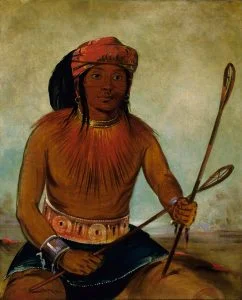
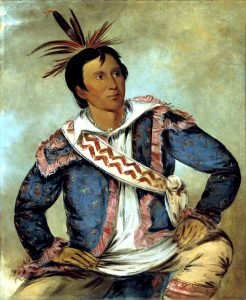
Tul-lock-chísh-ko, Choctaw Ball Player. George Catlin, 1834

The Choctaw people were exceptional marksmen, preferring rifles over shotguns, showcasing their keen hunting skills and acute awareness in the forests of their homeland. Their ball games, particularly the Choctaw Ball Play, were crucial for social engagement, filled with excitement and strategic maneuvers, akin to the intensity of ancient Olympic competitions. These games held significant cultural importance, often leading to fierce rivalries between tribes and occasionally devolving into violent conflicts, as illustrated by historical accounts detailing chaotic matches and their aftermath.
Choctaw Hunting Practices

In early encounters with white settlers, the Choctaws were referred to as “Flat Heads” due to their infant head-flattening practice, which had ceased by that time. They traveled in straight lines, utilizing simple paths and signs like broken branches to guide hunters. The Choctaw lifestyle was communal with land rights recognized only during occupancy. Hunting expeditions relied heavily on their durable ponies, and encounters with wild boars presented serious dangers due to their ferocity. Such experiences shaped the Choctaws’ deep connection to their land and traditions.

Choctaw Traditions – The Council Fire, The Nahullo

The Choctaw and Chickasaw tribes traditionally exhibited smooth faces, lacking beards, a trait that indicated full Native ancestry. Their council meetings, known as “The Council Fire,” emphasized order and respect, with elders recounting the tribe’s history and traditions. Central to their lore are the mammoths and the Nahullo, a race of giants believed to have once inhabited Mississippi. Despite skepticism from outsiders regarding their traditions, archaeological findings have validated aspects of their rich oral history, reinforcing the accuracy of their ancestral accounts.

The Natchez

On February 11, 1700, explorers led by De Iberville reached Natchez, welcomed by a chief and his warriors. The Natchez were known for their sacred practices, including a temple that housed a perpetual fire and involved ritual sacrifices in times of crisis. Their society was structured around the Great Sun, a pivotal figure in their worship and governance. As they traversed the Mississippi, explorers documented their customs, including festivals aligned with lunar cycles and the poignant traditions of life and death, marking the Natchez as a significant nation in early American history.

The Natchez and the French

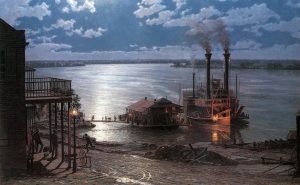
Natchez Under the Hill

The Natchez people faced devastation following the arrival of French colonists in 1716, marked by the establishment of Fort Rosalie. Initial attempts at peace failed due to cultural misunderstandings and disrespect from French leaders like Cadillac and Bienville, leading to hostilities. Despite attempts to negotiate, the Natchez were met with treachery, culminating in violent conflicts and eventual extermination by French forces. By 1733, remnants of the Natchez sought refuge among other tribes, disappearing as a distinct people, victims of colonial aggression and betrayal.

Important Men of the Choctaw Indians

The Choctaw Nation has produced numerous significant figures throughout its history, notably Tush-ka Lu-sa, who valiantly defended his people against Spanish forces. While early documentation is scarce, many leaders have emerged from the 18th century onward, whose contributions to their community deserve recognition. This account aims to honor both the living and deceased Choctaw and Chickasaw men, emphasizing their dedication to improving their people’s welfare and the importance of preserving their legacies as examples for future generations.

Memoirs of the Durant and Crowder Families

The Durant family, led by Louis Durant, arrived in the Choctaw Nation around 1770 alongside the LeFlore brothers. Louis married a Choctaw woman, and they had five children, including sons who fought in the Creek War of 1812. Margaret, one of Louis’s daughters, married Eli Crowder, known as Muscokubi for his battlefield prowess. Crowder lived to 102 and had multiple wives and children. Notably, his son Louis became a respected interpreter in the Choctaw Nation, illustrating the family’s prominence and contributions within their community.

Views on the Choctaw and Fables – North American Indians

In 1723, the Choctaw territories spanned from the Mississippi River to the Black Warrior and included over sixty towns, with an estimated twenty-five thousand warriors. Their fables, known as Shukha Anump, reflect moral lessons, akin to Aesop’s. One fable recounts a turkey and a terrapin, illustrating that arrogance can lead to downfall, as the underestimated terrapin outsmarts the turkey. The author emphasizes that the ancient Indians valued traits like truth, honor, and hospitality, suggesting their readiness for civilization and Christianity, despite skepticism from others.

Memoirs of John Pitchlynn

Peter Perkins Pitchlynn was the Choctaw Principal Chief from 1864-1866

John Pitchlynn was a notable figure in the Choctaw Nation, recognized as a benefactor who integrated into their society by marrying a Choctaw woman and serving as an interpreter for the U.S. government. He gained the respect of both the Choctaws and missionaries through his moral conduct. His son, Peter P. Pitchlynn, became a prominent leader and advocate for education and peace among tribes, notably facilitating a treaty with the Osages. Known for his integrity and leadership, Peter’s legacy reflects the potential for collaborative progress within Native communities.

Choctaw Doctors & Diseases

In ancient Choctaw society, children received livestock at birth, providing a foundation of wealth as they grew. Choctaw doctors utilized natural remedies for various ailments, though they struggled with diseases introduced by Europeans. Their skills in treating wounds and understanding plant medicines were notable, yet they faced challenges with unfamiliar illnesses like smallpox. Beliefs in the spiritual realm and the Medicine Man’s power also influenced their healing practices, reflecting their deep cultural understanding of health and illness despite limitations in medical knowledge.

Choctaw Nation and the Greer County Dispute

1818 Melish Map of the United States

The dispute over Greer County involves the Attorney General of the United States challenging Texas’s claims based on the 1819 Adams-Onís Treaty, which established boundaries between the U.S. and Spain. Despite the treaty, Texas has asserted jurisdiction over the territory in violation of U.S. treaty rights. The case seeks judicial clarification of whether the disputed land falls under U.S. or Texas authority, emphasizing historical claims stemming from significant early treaties and ongoing tensions regarding territorial rights and ownership.

Choctaw Migration and Government

The name Choctaw stems from a legendary warrior-prophet who led a migration from the West, following neighboring tribes, to a new settlement known as Nun-nih Wai-ya. Upon settling, they established a government based on patriarchal and tribal structures, with laws reflecting their customs, including a simple criminal code. Leadership was held by the royal family and the oldest male relative, with justice administered through councils. Their governance lacked formal law enforcement, relying instead on the chief’s authority to maintain order.

Mound Builders

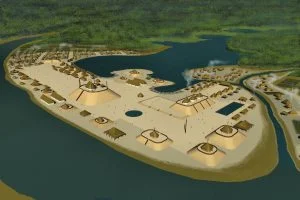
Bottle Creek Mounds

The post discusses the connection between ancient mounds in North America and the indigenous tribes, refuting the notion that these structures were built by a distinct race known as the Mound Builders. Evidence presented includes similarities in skull structure among various tribes and the fortified nature of their towns. Early European explorers observed these communities engaged in agriculture and crafting, challenging the idea of indigenous nomadism. The author argues that the mounds are the work of Native Americans, the true ancestors of today’s tribes, and emphasizes the importance of understanding their legacy.

Choctaw Culture

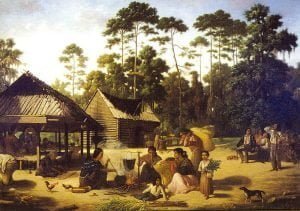
Choctaw Village near the Chefuncte, The women appear to be making dye to color the strips of cane beside them, by François Bernard, 1869

The Choctaw people historically relied on unwritten customs for governance, engaging in barter without contracts or money, resulting in a society free of lawyers and prisons. Their beliefs emphasized respect for the dead and a connection to nature. Despite a lack of written language, they conveyed knowledge through symbols and oral traditions. The Choctaws demonstrated remarkable advancements in agriculture and intellectual capacity, sustaining social equality without established hierarchies. Their governance reflected communal interests, prioritizing the well-being of their tribe above individual gain.

Prominent White Men among the Chickasaws

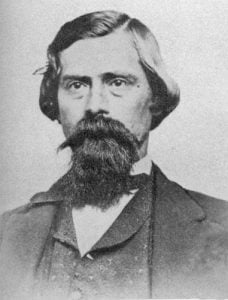
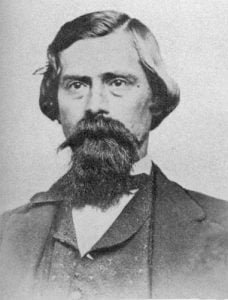
Holmes Colbert

In the early days, a few cultured white men, drawn by the Chickasaw way of life, integrated into the nation. Notably, figures such as James Gunn, Logan Colbert, and Malcomb McGee became part of Chickasaw society, aiding in moral and educational advancements. Despite myths of a McIntosh, who was misrepresented as influential, the true contributions of these men remain significant. They sought genuine connections with the Chickasaws, contrasting sharply with later intruders motivated by avarice, casting a long shadow over indigenous relationships.

Chickasaw Religion

Holmes Colbert

The Chickasaws, unlike the Choctaws, approached natural phenomena like eclipses rationally, viewing them as “sun hidden” rather than omens. Their history includes the notable town of Pakitakohlih, where De Soto’s army wintered in 1540. The Chickasaws fiercely defended their land against French incursions but eventually faced forced removal, leaving behind cherished memories of their homeland. Despite hardships, they maintained their spiritual beliefs and rebuilt their society, demonstrating resilience and determination. Nevertheless, their struggles intensified with further encroachments on their territory and autonomy.

Mission’s Among the Southern Indians

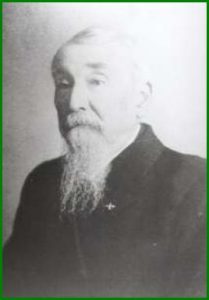
Reverend Hugh Wilson

In 1819, the Synod of South Carolina initiated a mission among Southern Indians, focusing on the Chickasaws. Rev. David Humphries and Rev. T. C. Stewart initially sought permission to establish a mission, which was granted by the Chickasaw king in 1820. Stewart, the sole missionary, founded Monroe Station in 1821, accompanied by two families. This mission became a pivotal center for education and Christianity, significantly influencing the Chickasaw community, fostering future leaders and laying the groundwork for their ongoing civilization.

Lord Dunmore’s War

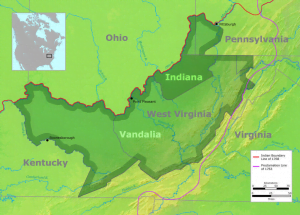
Vandalia Colony

The text details the events leading to and during Lord Dunmore’s War, sparked by illegal encroachments into the Vandalia Colony and violent acts against Native Americans by Virginians. It highlights the treaties made with various tribes and the resultant loss of their lands. The war began in response to brutal murders committed by settlers, leading to conflict with the Shawnees. Despite military advances by Virginia’s forces, Dunmore ultimately sought peace, yet tensions persisted as violence against Native Americans continued unabated.

Early Exploration and Native Americans

Ferdinand de Soto’s interactions with Native American tribes, specifically the Choctaws and Chickasaws, exemplify early European attempts to impose their ideologies of civilization and Christianity upon Indigenous populations. This approach set a precedent for further exploitation and oppression of Native Americans, as European settlers sought to acquire land and resources. Throughout history, tribes like the Chickasaws, known for their valor, remained steadfast allies rather than adversaries. This enduring alliance contrasts sharply with the overarching narrative of dispossession and extermination faced by Indigenous nations in North America.

The Discovery Of This Continent: It’s Results To The Natives

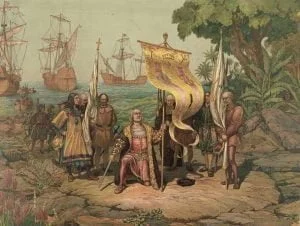
Columbus Landing on Hispaniola

In 1470, Christopher Columbus married Dona Felipa, daughter of a renowned navigator, and settled in Porto Santo, where they shared dreams of discovering lands to the West. Their ambitions fueled Columbus’s determination, leading to his 1492 voyage that resulted in the European discovery of the Americas. However, this event marked the beginning of devastation for native peoples, introducing warfare, disease, and colonization that would decimate their populations and cultures, ultimately transforming their rich, diverse societies into shadows of their former selves.