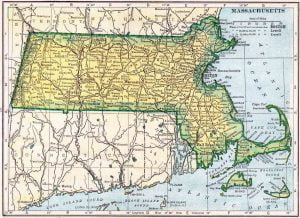
Condition of the Indian Tribes by State, 1890

The current separation of Indigenous peoples from the wider population poses challenges for accurate enumeration and understanding of their conditions. Many individuals of Indian descent blend into the local population, complicating census efforts. Additionally, some individuals falsely identify as Indians for financial benefits. The distinctions between taxed and untaxed Indians further obscure these demographics, as the latter are often not included in general census counts. The report emphasizes these complexities and the necessity for careful analysis of Indian populations by region.
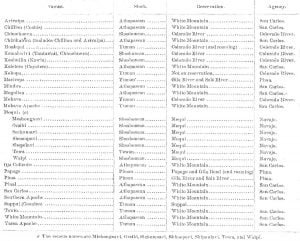
Gila River and Valley

The Gila River valley, particularly near the southeast corner of the White Mountain reservation, varies in width from 1 to 2 miles but faces agricultural challenges due to high terrain and potential flooding. This land supports around 2,500 Native Americans, primarily Mohaves and Yumas, who live in basic dwellings and rely on limited irrigation for farming. The tribes share cultural practices and face significant social issues, including increased venereal diseases and gambling. Government rations are distributed, and it is suggested that better agricultural practices would benefit these communities.

Depredation Claims and Liabilities of the United States to Indians

Indian depredation claims refer to allegations of wrongful acts committed by Indians against whites or other Indians, originating from early white settlements and causing ongoing disputes. Congress has established mechanisms for submitting and investigating these claims, with varying legislative acts shaping the process and limitations on claims. Despite promises of indemnification, the government has fulfilled only a small fraction of these claims. Recent legislation has transferred jurisdiction to the Court of Claims, reflecting a recognition of the need to uphold the U.S. obligations to claimants.

Condition of the Alabama Indians in 1890

As of June 1, 1890, the total Indian population in Alabama numbered 1,148, including 384 reservation Indians and 759 self-supporting, taxed individuals. The latter, primarily descendants of various tribes, lived similarly to their non-Indian neighbors. The reservation group, consisting of Geronimos band of Apaches, showed significant improvement in living conditions and adopted a civilized lifestyle, with children attending school in Carlisle, Pennsylvania. They engaged in gardening, crafts, and other work, demonstrating intelligence and industriousness in their community.

Condition of Tribes by State in 1890

In 1890, the conditions of various tribes across states showed limited populations of self-supporting Indians. Arkansas had 218 civilized Indians, primarily in Pulaski and Sebastian Counties. Connecticut counted 228, many as fishermen and laborers. Delaware reported just four individuals, while the District of Columbia included 25 educated individuals. Florida listed 171, mostly Seminoles, and Georgia had 68 mainly of Cherokee descent. Each state reflected a blend of assimilation and cultural preservation among small, often indistinguishable populations.

Census of 1890 in Indian Territory

The census conducted among The Five Civilized Tribes in the Indian Territory highlighted the population and governance of these nations. Tribes regularly maintained census records to determine rightful citizens for land distribution and financial benefits. The 1890 census reported a total population of 178,097, including varying degrees of Indian and Negro descent. Despite challenges in obtaining accurate data, including the influence of non-citizen “intruders,” these tribes demonstrated a self-sustaining community with distinct governmental structures and cultural practices. Relationships and conflicts with U.S. authorities were also evident, particularly regarding citizenship rights.

Colorado River Agency in 1890

In his January 1891 report, Special Agent Walter G. Marmon detailed the demographics and conditions of various Indian tribes at the Colorado River Agency, including the Mohaves, Chimejueves, and Hualapais. The total Indian population was around 640, with the Mohaves showing a decrease. The agency managed 300,800 acres of fertile land, yet faced challenges like flooding and resource scarcity. Schools were established for children, and despite some improvements, the tribes sought better water access for farming. Tensions with nearby settlers over land boundaries were also noted.

Condition of the Arizona Indians in 1890

page1341

In 1890, the Indian population in Arizona totaled 29,981, with 28,452 residing on reservations and 1,512 off-reservation, largely self-supporting. The population, historically limited by the arid landscape, remained similar to figures recorded as early as 1542. Geronimo’s band of 384 Chiricahua Apaches had been relocated to Alabama for peace. Notably, the Pimas and Papagos maintained peaceful relations with whites, with the latter claiming no history of violence against them. The Navajo tribe was the largest, with 11,042 members in the state.

Condition of the California Indians in 1890

Following California’s statehood in 1850, the discovery of gold that same year drastically altered the lifestyle of California Indians. During the period leading up to 1890, various Indian reservations were established, including the Round Valley and Hoopa Valley reservations. Reports from agents highlight the conditions faced by different tribes, such as the Mission Indians and Yuma, underscoring significant changes and challenges in their lives and environments as a result of colonial expansion and systemic marginalization.

Meade County, Kentucky Census Records

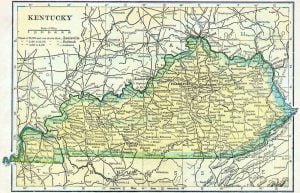
1910 Kentucky Census Map

An extensive list of available indexes, transcriptions and images available online for Meade County, Kentucky census records, 1830-1950. For years prior to 1830 please see Hardin and Breckinridge counties census lists.