
This first volume of the History of the Town of Goffstown, New Hampshire contains a history from Goffstown's earliest territorial origins through the early twentieth century. The work grew out of repeated local efforts, beginning in the late nineteenth century, to preserve the town’s records and traditions before they were lost to time. Although early attempts to organize such a history did not succeed, renewed interest eventually led to formal action by the town in 1908, including the appointment of a committee and a modest appropriation to support publication.
The preparation of this history required the collection, organization, and verification of a large body of material drawn from town, proprietors’, church, military, and genealogical records, as well as state and county sources. Particular care was taken to trace the development of the town from its period as Narragansett No. 4 through its incorporation and later boundary changes, and to document its civic, religious, military, educational, and industrial life. The work also includes extensive genealogical records, maps, tax lists, and rosters, compiled through prolonged research and correspondence.
The author’s stated purpose is not literary display, but the accurate recording of events and facts in plain language. This history is offered as a permanent reference for the people of Goffstown and their descendants, preserving an account of the town’s growth, institutions, and inhabitants, and providing future generations with a clear record of the lives, labor, and service of those who came before them.
History of the Town of Goffstown, 1733-1920, volume 1
Contents
Chapter I
Physical Features
Topography. Rivers and Brooks. Land. Forests. Hills. Mountains. Natural Curiosities. Fish and Game. Fisheries of Amoskeag.
Page 1–8
Chapter II
Birds of Goffstown
Page 9–28
Chapter III
Events Pertaining to Title
Martin Pring. Champlain. George Weymouth. Charter of the Plymouth Company. George Popham. Capt. John Smith. Second Grant. Council of Plymouth. Council of Plymouth to Mason. Council of Plymouth to Gorges and Mason. Grant of Laconia. Plymouth Colony Grants to Sir Henry Roswell. Plymouth Colony Grant to Capt. Mason. New Hampshire, 1629. Plymouth Colony Grants to John Mason, 1635. Gorges Quitclaims to Mason I. Mason I Dies. John Tufton Mason II and Robert Tufton Mason II Inherit. John II Dies. Plantation in America Abandoned. Survey of Merrimack River. Kings and Queens of England. Mason III Petitions for Possession of His Territory in America. New Hampshire Becomes a Royal Province in 1679. John Cutts, Governor. Edward Cranfield. Million-Acre Sale. Mason III Dies. Mason’s Two Sons IV Sell to Allen. Allen Contests in Law. Bellomont, Governor, 1698. Thomas Allen Carries on the Suit. Bellomont Dies in 1699. Allen Dies in 1705. Contest Rests. Revival of Mason V Claim.
Page 29–39
Chapter IV
Boundary Lines
Territory Granted to Capt. John Mason. Massachusetts Pursues a Vacillating Policy. Different Locations for the Southern Boundary. Constant Agitation of the Same. Gov. Belcher Unsuccessful in Settling the Line. John Rindge Appointed Agent. Capt. John Thomlinson His Successor. John Parris, Attorney. Massachusetts Grants Townships. New Hampshire Likewise. Boundary Lines Referred to a Commission. Both States Appeal to the King. King Decides in Favor of New Hampshire. Survey Made. Benning Wentworth, Governor. Curved Line.
Page 40–46
Chapter V
Indians
Indian Name. Origin of the Race Not Established. Algonquins. Pennacooks in the Merrimack Valley. Passaconaway. Wonnalancet. Kancamagus. Characteristics of the Indian. Wigwams. Mode of Cooking. Agriculture. Weapons. Canoes. Children. Medicinal Knowledge Limited. Fisheries at Amoskeag. Mode of Fishing. Importance of the Fishing Season. Mr. Eliot Preaches Here. Trail from Amoskeag to Gorham Pond. Indian Rock. Job Kidder. Shirley Hill. Settlement at Goffstown Village. Capt. Daniel Pecker’s Scouting Party. Jonathan Robbins. Early Settlers Free from Attacks. Their Place Finally Supplanted by the English.
Page 47–52
Chapter VI
Narragansett No. 4
Narragansett Townships. Narragansett No. 4. Plan and Description. Grantees Release Their Claim. Other Early Grants. Benjamin Woodbridge and Thomas Arnold. William Bradley. William Lund. Town of Uxbridge. Heirs of Ichabod Wiswall. Town of Medford.
Page 53–57
Chapter VII
Proprietors’ Records
The Grant. Conditions of the Grant. First Meeting of Town Proprietors. Medford Grant. Requests for Lots upon Which Improvements Had Been Made. Lots Drawn.
Page 58–68
Chapter VIII
Proprietors’ Meetings
Proprietors Petition for a First Meeting. John Goffe. First Meeting Held in Goffstown. Committee Chosen to Lay Out Highways. Auditors Appointed. Committee Appointed to Give Orders on the Treasury. Trespass upon Certain Lands and Waste Committed. Capt. John Goffe Ordered to Seize Clapboards and Shingles Made from the Proprietors’ Lot above Amoskeag. Common Lands Protected. Rights Equalized. Highways Laid Out. Committee Appointed to Build a Meeting House.
Page 69–74
Chapter IX
Proprietors’ Records and Other Events
Committee Appointed to Build a Meeting House; Neglect to Act. Thomas Follansbee Neglects to Build a Mill. Clapboards Sold at John Goffe’s Mill. Laying Out Highways. Delinquents Notified. Common Land Assigned. Thomas Hall Desires Title to the Islands in Amoskeag Falls. Names of Early Settlers. Habits and Customs of Early Settlers.
Page 75–83
Chapter X
Early Indian Wars
King Philip’s War. King Philip Killed. King William’s War. Maj. Waldron Murdered. Indians Attack Dunstable. Hannah Dustin Kills Ten Indians and Escapes. Queen Anne’s War. Indian Chiefs Pledge Fidelity. Pledge Broken. Attacks on Hampton, Oyster River, Dover, Durham, and Exeter. Port Royal Taken. Attack upon Quebec Fails. Peace Declared. Lovewell’s War. Rasle Establishes a Mission at Norridgewock, Maine. Place Destroyed by the English. Posse of Dunstable Killed at Thornton’s Ferry. Lovewell Marches to Ossipee. Lovewell Slain. Thomas Atkinson Visits Canada as Commissioner.
Page 84–90
Chapter XI
King George’s War and Indian Attacks
Siege and Capture of Louisburg. Proposed Capture of Canada. Nova Scotia and Cape Breton in Danger. French Fleet Appears. New Hampshire Regiment Marches to Winnipesaukee. Attacks at Hopkinton and Rumford. Capture of Mrs. McCoy. Indian Christo. Peace Declared.
Page 91–94
Chapter XII
French and Indian War
Ohio Company Formed. Convention at Albany. Attacks on Salisbury and Charlestown. John Stark and Amos Eastman Taken Prisoners. Fort Duquesne. Crown Point Expedition. Rogers Authorized to Recruit Rangers. Crown Point, Quebec, and Montreal Surrender. Peace Declared.
Page 95–101
Chapter XIII
Incorporation of the Town
Charter. First Town Meeting. Town Officers. First Taxpayers. Dissensions and Early Administration.
Page 102–111
Chapter XIV
Revolutionary War
Causes of the Revolution. Lexington and Concord. Bunker Hill. Arnold’s Expedition. Burgoyne’s Campaign. Bennington and Saratoga. Valley Forge. Declaration of Independence. Peace of 1783. List of Revolutionary Soldiers.
Page 112–151
Chapter XV
Events Occurring from 1774–1812
Town Affairs, Economy, Representation, Education, and Taxation.
Page 152–169
Chapter XVI
Census and Tax Lists
Census Returns, 1773–1840. Tax List of 1843.
Page 170–178
Chapter XVII
War of 1812
Page 179–180
Chapter XVIII
Extracts from Records, 1812–1850
Town Improvements, Incorporations, Libraries, Industry, and Public Welfare.
Page 181–200
Chapter XIX
Roads, Bridges, Landings, and Ferries
Page 201–220
Chapter XX
Pounds; Sheep and Cattle Marks
Page 221–224
Chapter XXI
Cemeteries
Page 225–229
Chapter XXII
Schools
Early Legislation. District System. Teachers. Institutions.
Page 230–262
Chapter XXIII
Roster
Page 263–274
Chapter XXIV
Extracts from Records, 1850–1880
Page 275–298
Chapter XXV
Postal Facilities; Telegraph and Telephone
Page 299–304
Chapter XXVI
Travel and Transportation
Page 305–313
Chapter XXVII
Railroads
Page 314–319
Chapter XXVIII
Industries
Page 320–338
Chapter XXIX
Militia
Page 339–344
Chapter XXX
War of the Rebellion, 1861–1865
Page 345–361
Chapter XXXI
Town Houses
Page 362–371
Chapter XXXII
Meeting Houses
Page 372–377
Chapter XXXIII
Congregational Ministry
Page 378–394
Chapter XXXIV
Churches
Page 395–412
Chapter XXXV
Doctors, Lawyers, College Graduates, Native Ministers
Page 413–419
Chapter XXXVI
Merchants and Traders
Page 420–423
Chapter XXXVII
Hillsborough County Farm
Page 424–427
Chapter XXXVIII
Precinct; Fire Engines
Page 428–430
Chapter XXXIX
Library
Page 431–438
Chapter XL
Celebration of the 150th Anniversary of the Incorporation of the Town
Page 439–453
Chapter XLI
Brass Bands
Page 454–455
Chapter XLII
Secret and Fraternal Societies
Page 456–474
Chapter XLIII
Extracts from Records and Other Events, 1880–1919
Page 475–494
Chapter XLIV
Location of Homesteads, Succession of Residents, and Changes in Occupation
Page 495–539
Chapter XLV
Crimes
Page 540–543
Chapter XLVI
Casualties, Sudden Deaths, and Suicides
Page 544–548
Chapter XLVII
Fires
Page 549–551
Chapter XLVIII
Smallpox, Diphtheria, and Spanish Influenza
Page 552–553
Chapter XLIX
Notable Events, Storms, Freshets, and Meteorological Occurrences
Page 554–557
Chapter L
Trouble with Mexico and the World War
Page 558–571
List of Maps
- To the Grantees, p. 58
- Attest of Original Grant, 68
- Plan of the town showing original lots, first roads, and the streams, 200
- Village South Side School, District No. 1, 496
- Village portion of School, District No. 1, 498
- Mountain School, District No. 2, 504
- Shirley Hill School, District No. 3, 506
- Kennedy Hill School, District No. 4, 508
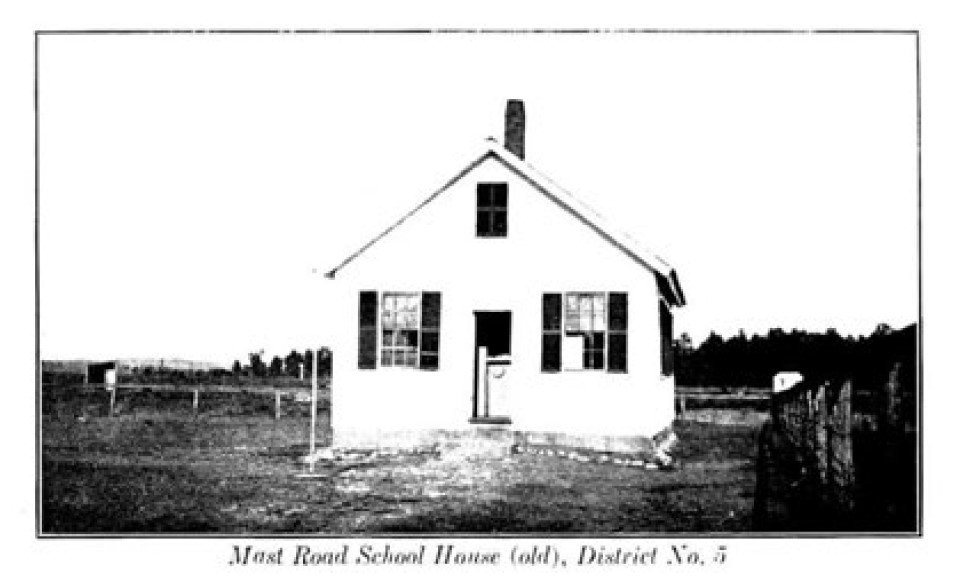
- Mast Road School, District No. 5, 510
- East part School, District No. 7, 512
- Tibbetts Hill School, District No. 8, 514
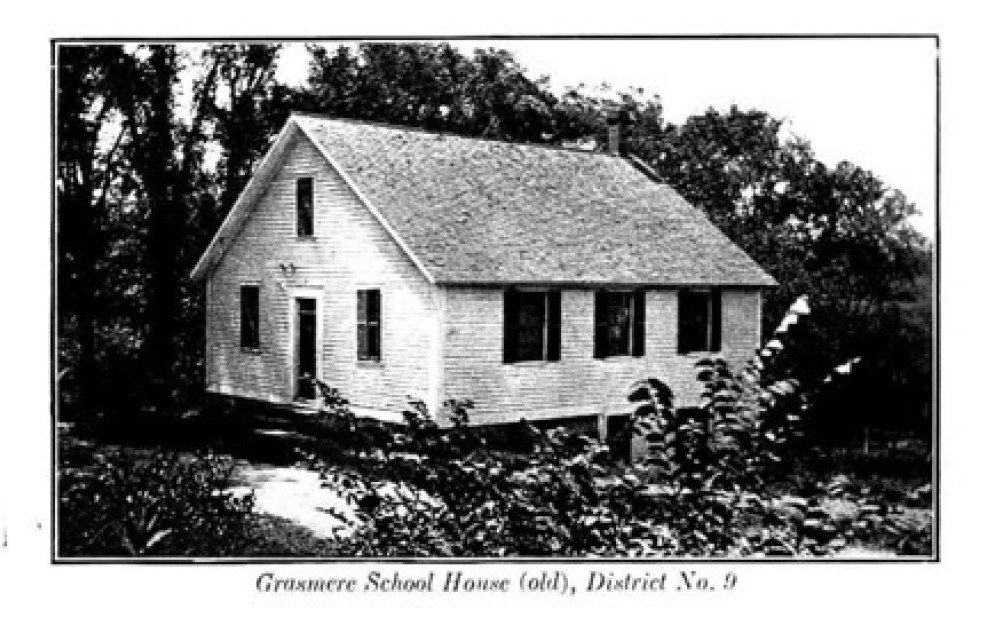
- Center School, District No. 9, 516
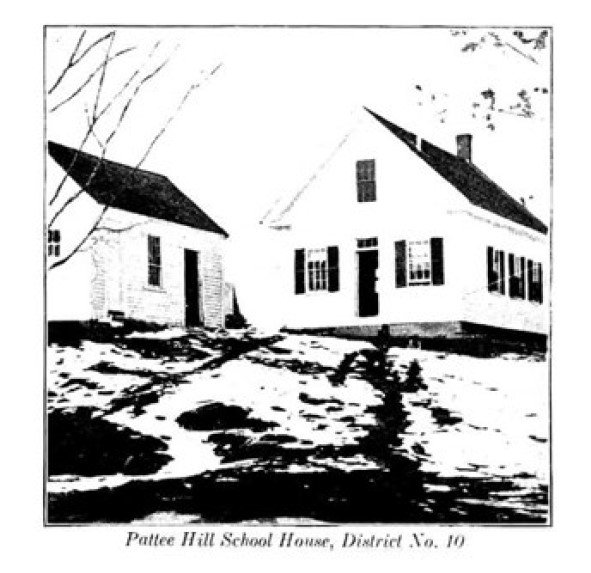
- Pattee Hill School, District No. 10, 520
- Parker School, District No. 11, 522
- Paige Hill School, District No. 12, 524
- Village North Side School, District No. 13, 526
- John Plummer School, District No. 14, 534
- Dow School, District No. 15, 536
- Center South Side School, District No. 16, 538
Illustrations
- George Plummer Hadley, frontispiece
- First Meeting and Town House, p. 110
- View at Parker's Village, 156
- Parker's; Harriman Rock, Grasmere, 156
- View of Village from Mount Pleasant, 202
- North Mast Street; Elm Street; Main Street, 214
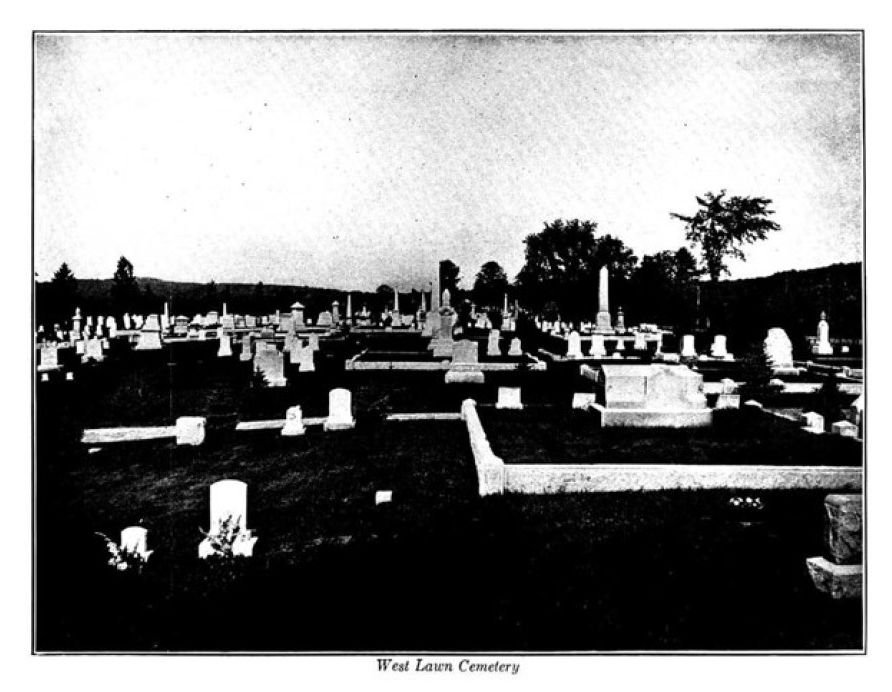
- West Lawn Cemetery, 224
- Village School House, 230
- Mountain School House, District No. 2, 234
- Shirley Hill School House, District No. 3, 234
- Kennedy Hill School House, District No. 4, 234
- Mast Road School House (old), District No. 5, 236
- East District School House, No. 7, 236
- Tibbetts Hill School House, No. 8, 236
- Grasmere School House (old), District No. 9, 240
- Grasmere School House (new), 240
- Parker's School House, District No. 11, 242
- Paige Hill School House, District No. 12, 242
- Mast Road New School House, 256
- Pattee Hill School House, District No. 10, 260
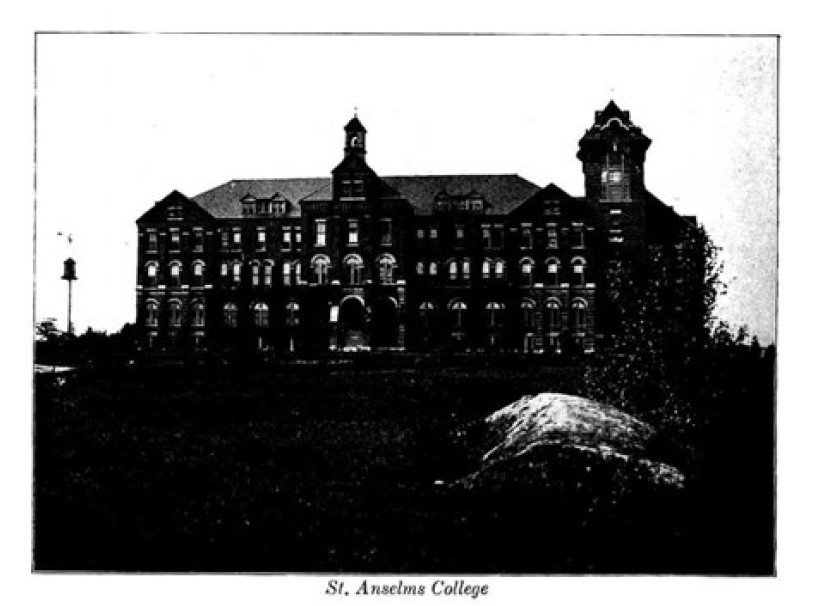
- St. Anselms College, 260
- Villa Augustina, 262
- Depot, Goffstown, 314
- Depot, Parkers, 314
- New Hampshire Central House, Goffstown, 314
- The Uncanoonuc Mountain House, 318
- Uncanoonuc Incline Railway, 318
- Engine House, Goffstown, 318
- Uncanoonuc Mountain, 324
- Piscataquog River from Bridge, Goffstown Village, 324
- Gregg's Falls, 324
- Common, South Side, 1868, 345
- Town House, 368
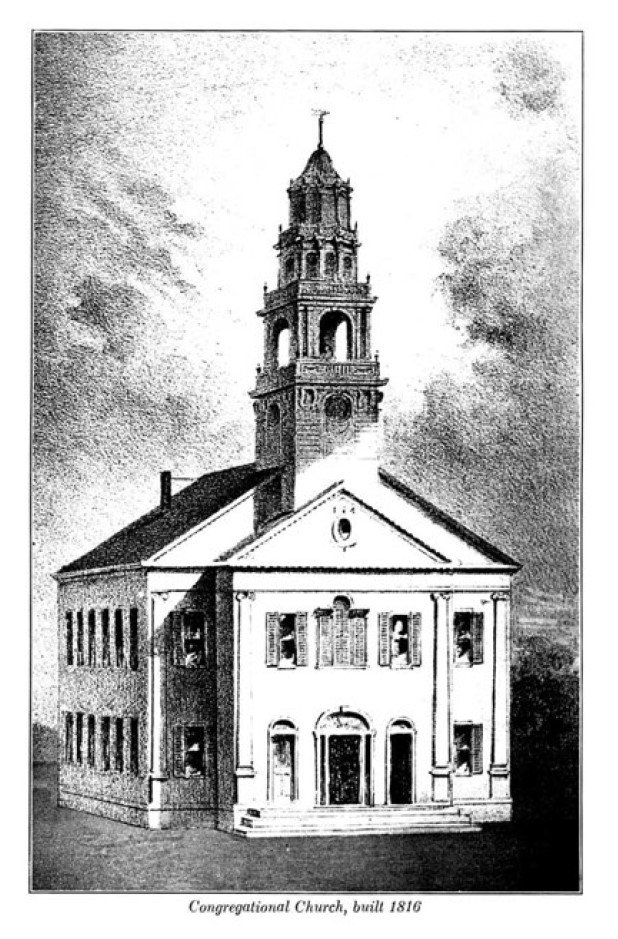
- Congregational Church, built 1816, 374
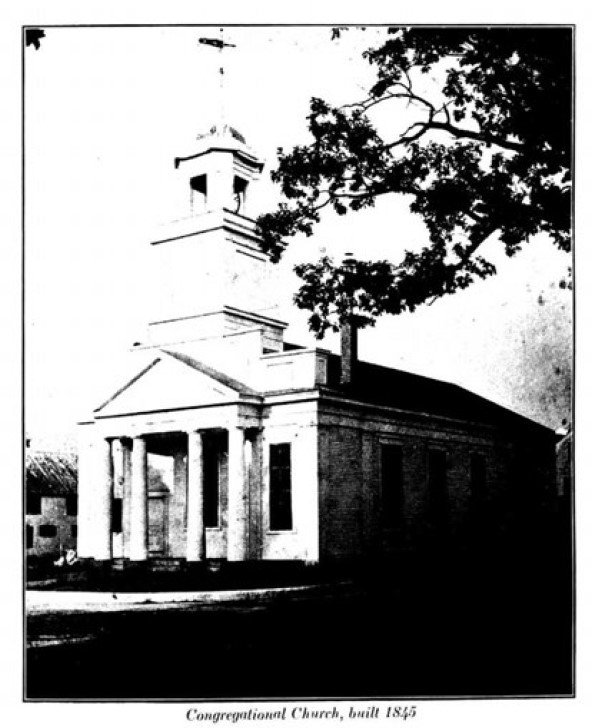
- Congregational Church, built 1845, 380
- Congregational Church, 394
- Methodist Episcopal Church, Grasmere, 402
- Methodist Episcopal Church, Goffstown, 402
- Saint Matthews Episcopal Church, Goffstown, 402
- Baptist Church, Grasmere, 402
- The Library, 432
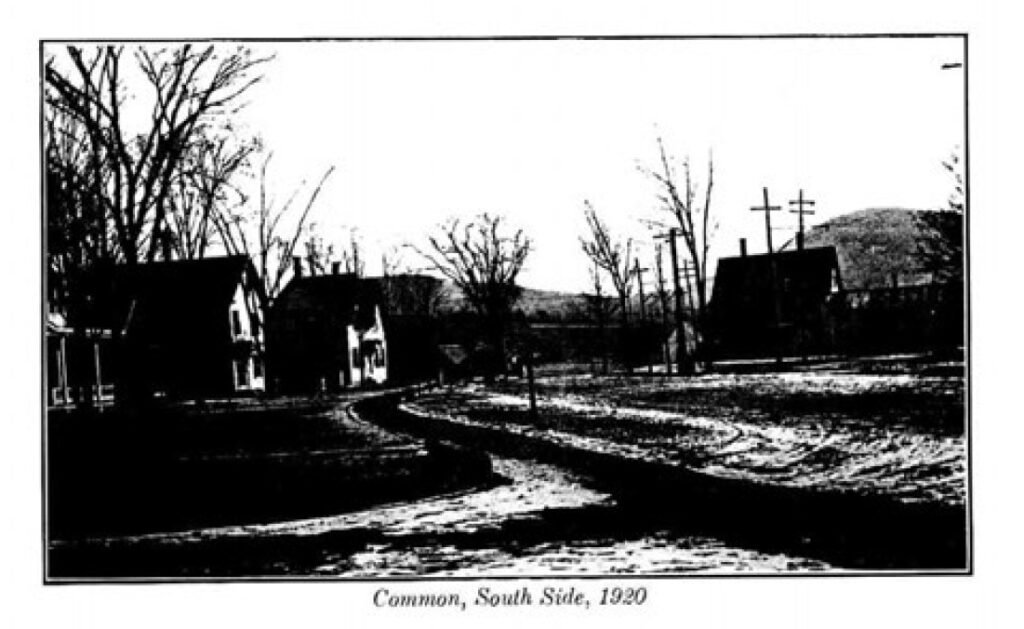
- Common, South Side, 1920, 432
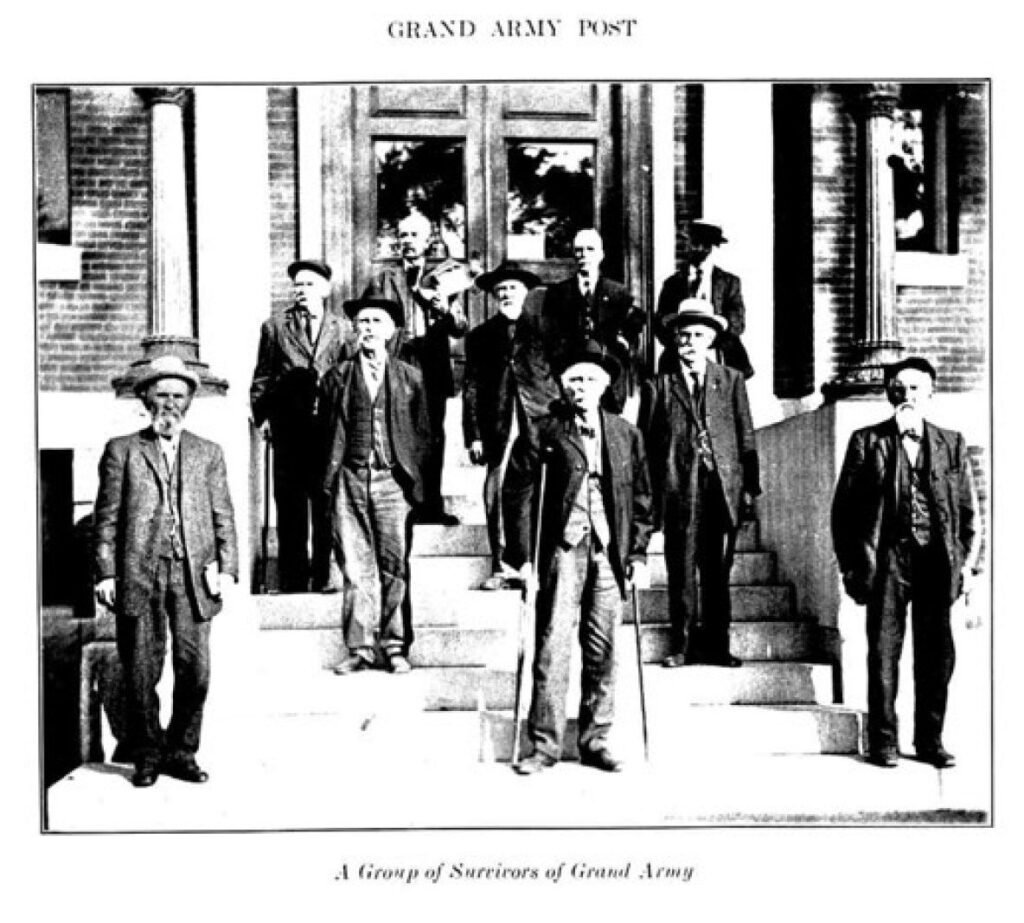
- Goffstown Grand Army Post, 460
- Goffstown Tribute to Her Country's Defenders, 486
Gallery of Illustrations















Source
Hadley, George Plummer, History of the Town of Goffstown, 1733-1920, volume 1. Town of Goffstown, New Hampshire, 1924.