History of Newport New Hampshire

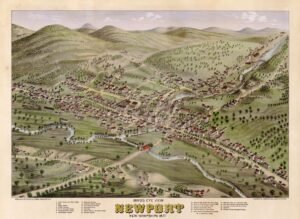
Bird's Eye View of Newport New Hampshire 1877

The History of Newport, New Hampshire, from 1766 to 1878 is a record of Newport’s growth from its early settlement through the close of the nineteenth century. It opens with the original charter and proprietary arrangements and follows the development of Newport’s physical setting, transportation routes, and economy. Particular attention is given to mills, banks, hotels, manufacturing, and the coming of the railroad, all of which shaped the town’s commercial life. The concluding genealogical section identifies families connected with Newport and other chapters provide biographical details that might otherwise be lost.
Acton Massachusetts History

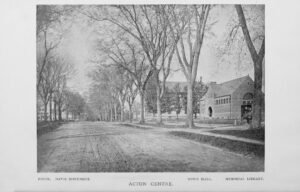
Acton Center,Acton Massachusetts

Acton in History traces the town’s development from its beginnings as Concord Village in the seventeenth century through its emergence as a modest industrial community. It gives particular attention to the religious life of the town, including the building of early meetinghouses and the long ministries of figures such as the Rev. John Swift and the Rev. James T. Woodbury. The work devotes substantial space to Acton’s role in the Revolution, especially the events at the North Bridge in 1775 and the loss of Captain Isaac Davis and his company of minute-men. It also follows the growth of local industries, from blacksmithing and cooperage to the far-reaching effects of the Fitchburg Railroad after its arrival in 1844. Later chapters include brief sketches of notable residents in the 1880s. Throughout, the narrative weaves in discussions of Acton’s everyday life, civic engagement, and social values.

History of the Town of Goffstown New Hampshire

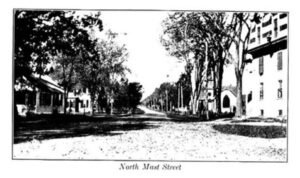
North Mast Street, Goffstown, New Hampshire

The “History of the Town of Goffstown, New Hampshire” chronicles the town’s development from its early territorial origins until the early twentieth century. Emerging from local preservation efforts, the book was formally initiated in 1908, with a dedicated committee tasked with organizing extensive records from various sources. It documents Goffstown’s civic, religious, and industrial life, along with genealogical records and maps. This historical account serves as a vital reference for current and future generations, preserving the town’s legacy and the contributions of its inhabitants.

History of Amherst New Hampshire

Residence of Isaac Brooks in Amherst New Hampshire

The history of Amherst, New Hampshire, unfolds from its 1675 land grant to veterans of the Narraganset War, marking the impetus for settlement along the Souhegan River. From its early governance and incorporation in 1760 to territorial adjustments that birthed Mont Vernon and Milford, this narrative encompasses local geography, economy, and Indigenous presence. Key military engagements, civic institutions, and genealogical records are explored up to 1882, offering a comprehensive view of the town’s evolution and its prominent figures.

History of Montville, Connecticut 1640-1896

Samson Occum House in Montville, Connecticut

This history of Montville, Connecticut spans from 1640 to 1896, highlighting the interactions between early colonial settlers and the Mohegan tribe, particularly regarding land disputes and legal challenges. The text, largely genealogical, traces the ancestry of local families across over 500 pages while detailing the region’s evolution from native subsistence to a burgeoning Colonial economy complete with industries like grist-mills, saw-mills, and the manufacturers of bog-iron and textiles.

History of Buffalo New York

Buffalo Village from the Light House, 1828

“History of the City of Buffalo and Erie County” by Henry Perry Smith offers a comprehensive account of the development and significant events in Buffalo and Erie County, New York. Published in 1884 by D. Mason & Co. in Syracuse, New York, this two-volume work delves into the early settlement, growth, and transformation of the area. Volume II focuses on the history of Buffalo, New York. For the detailed history of Erie County, readers should refer to Volume I.

History of Erie County New York

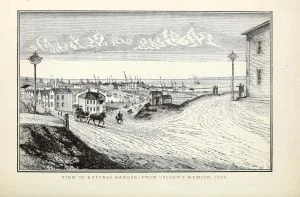
View of Buffalo Harbor, 1826

“History of the City of Buffalo and Erie County” by Henry Perry Smith, published in 1884, offers an extensive and detailed account of the development of Buffalo and Erie County. This two-volume work, enriched with illustrations and biographical sketches, serves as a comprehensive resource for understanding the historical progression of the region from its earliest days through the 19th century. Volume I focuses on the history of Erie County, New York, and its townships, excluding Buffalo. For the detailed history of Buffalo, readers should refer to Volume II.

History of Mercer County Ohio

History of Mercer County Ohio

“History of Mercer County Ohio,” authored by Bronshart H. Gilberg and published in 1959 by the Mercer County Historical Society, serves as a comprehensive journey through the annals of Mercer County, Ohio. This book emerges from a deeply felt need among the residents of Mercer County for a cohesive and detailed account of their county’s past—a narrative that had been missing from local educational and cultural institutions.

A History of Orange County Virginia

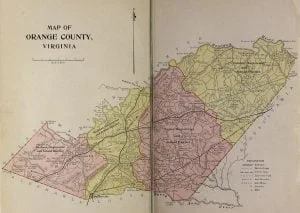
Map of Orange County Virginia

A History of Orange County Virginia” by William Wallace Scott offers a detailed chronicle of this pivotal region from its formation in 1734 to the end of the Reconstruction era in 1870. Published in 1907, this 292-page volume encapsulates the political and social evolution of Orange County.

History of the town of Warwick, Massachusetts

History of the town of Warwick, Massachusetts

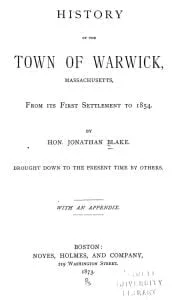
A history of the town of Warwick, Massachusetts, from its earliest settlement to 1854. This history also lists prominent citizens (doctors, selectmen, etc). There are also birth, marriage, and death information taken from diaries of contemporaries, from the early to mid-19th century.

History of Chester, New Hampshire, including Auburn

Outline map of the Original Grant of the town of Chester New Hampshire

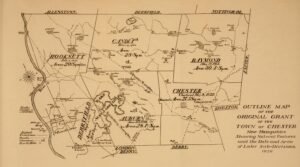
The *History of Chester, New Hampshire, Including Auburn* by John Carroll Chase, published in 1926, serves as a supplement to the original 1869 *History of Old Chester*. This work was produced in response to a desire to document events that had occurred in the town since the previous publication, as well as to cover topics that were initially omitted. While Chester had seen a decline in population and industrial activity, the book highlights notable historical and social developments. It incorporates additions to military history, church records, and gravestone inscriptions, providing a comprehensive overview of Chester and Auburn’s past.

Battle of Lake Erie

cover of the Perry sesquicentennial, Erie, Pa

This souvenir program marks the Perry Sesquicentennial, a celebration held from May 29 through September 10, 1963, in Erie, Pennsylvania, commemorating the 150th anniversary of the construction of Oliver Hazard Perry’s fleet and the consequential Battle of Lake Erie. This pivotal event, led by Perry, significantly influenced the course of the War of 1812, helping to establish lasting borders between the United States and Canada, and solidifying a legacy of peace and cooperation that persists to this day. The program reflects on the strategic and logistical achievements of Perry, underscoring the role of Erie in the American victory and the enduring impact of the battle on U.S.-Canada relations. As we look back, the sesquicentennial serves as a poignant reminder of the deep-rooted values of liberty and human dignity that shaped our nation’s early years and continue to guide us.

Soule Family of New Bedford Massachusetts

Rufus A. Soule

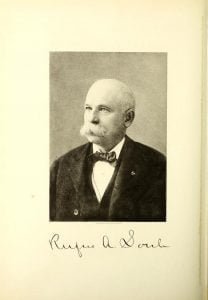
The Soule family of New Bedford, Massachusetts, traces its lineage to George Soule, a Mayflower Pilgrim. Currently led by Hon. Rufus Albertson Soule, this family’s history is marked by significant contributions to local governance and business, particularly in shipbuilding and shoe manufacturing. Their legacy includes participation in the Civil War, with four brothers serving. Rufus Soule’s prominent roles in the community and service as a state senator reflect the family’s longstanding commitment to civic duty and public service, enriching New Bedford’s heritage.

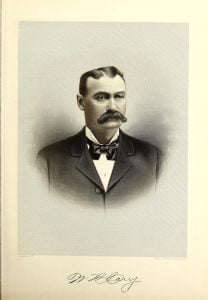
Ancestry of William Hartley Cary of Brockton, Massachusetts

W. H. Cary

William Hartley Cary (1852-1899), a notable businessman in Brockton, Massachusetts, was deeply respected for his contributions to the community and industry. Born in Charleston, Maine, to William Harrison and Abigail Cary, he established the Brockton Last Company, significantly advancing the local shoe industry. Actively involved in social organizations and the Unitarian Church, Cary was recognized for his generosity and public spirit. Married to Matilda Winslow, he left behind two children, leaving a lasting legacy in both family and community.

The Osage Massacre

Kiowa Calender

In the summer of 1833, following a treaty council breakdown, Osage warriors attacked a Kiowa village, resulting in a brutal massacre where many women, children, and elderly were killed, and the heads of the victims displayed in brass buckets. Among the captives were two children, Gunpä´ñdamä and Tunkahtohye, later purchased by Colonel Hugh Love for potential diplomatic gains. The ensuing U.S. military expeditions aimed to restore order and negotiate peace, but many faced logistical challenges and poor preparation, resulting in numerous setbacks and casualties.

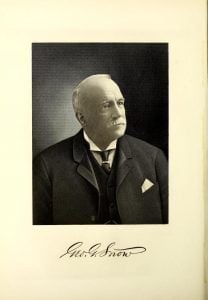
Descendants of Nicholas Snow of Eastham, MA

snow

Nicholas Snow, an English settler, arrived in Plymouth in 1623 and later became a vital figure in Eastham, where he served as town clerk and held various civic roles. He married Constance, a Mayflower descendant, and fathered ten children. His lineage continued through his son Stephen and grandson Miijah, leading to notable descendants like Edmund Snow, a town founder in Orleans, and George G. Snow, a successful shoe manufacturer in Brockton. This legacy showcases the Snow family’s influence in early American history.

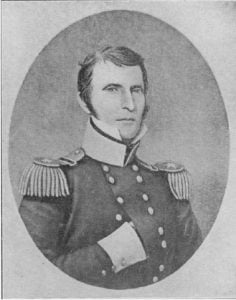
Peace Attempts with Western Prairie Indians, 1833

General Henry Leavenworth

In 1830, the Treaty of Dancing Rabbit Creek initiated the relocation of the Choctaw Indians to territories between the Canadian and Red rivers. However, the Choctaw faced threats from Comanche, Kiowa, and Wichita tribes, who attacked traders and settlers. In May 1833, Colonel Arbuckle sent a military expedition to protect the traveling Choctaw and assert U.S. power. Despite efforts, the expedition suffered losses, including ranger George B. Abbay, who was captured, and ultimately failed to achieve its objectives, highlighting the challenges of westward expansion.

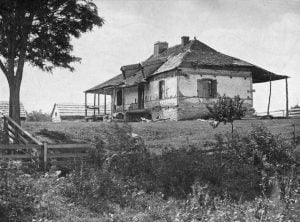
Earliest Known Traders on Arkansas River

Country Home of Augustus Pierre Chauteau

Before the Louisiana Purchase, early French traders, notably Joseph Bogy, ventured along the Arkansas River, engaging in commerce with local Indian tribes, such as the Osage. Bogy’s expeditions included confronting Choctaw opposition in 1807, leading to government claims for losses. Prominent figures included Nathaniel Pryor and A. P. Chouteau, who established trading posts at the mouth of the Verdigris. These traders influenced the region’s economy, exchanging goods like furs and providing items such as tobacco and tools to Native Americans, fostering significant cultural exchanges.

Expeditions of Fowler and James to Santa Fe, 1821

General Thomas James

Following Pike’s return from Santa Fe, interest surged for further exploration. In 1821, expeditions led by Major Jacob Fowler and General Thomas James departed towards Santa Fe after witnessing the impact of previous travelers’ accounts. Fowler’s party advanced from Fort Smith, while James’s group left St. Louis with a keel boat, trading goods with local tribes. Both parties faced significant challenges but eventually reached Santa Fe, paving the way for continued American trade in the region, culminating in further expeditions and encounters with the Comanche.