The Shawnee of Kansas

tjohnson1

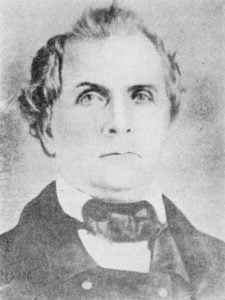
The Shawnee Indians, originally from areas including South Carolina, Georgia, Tennessee, and Ohio, were among the most prominent and widespread tribes of the Algonquian family before their migration to Kansas. Their name, derived from “Shawun,” meaning south, reflects their early association with southern regions. Over time, due to conflicts with European settlers and other tribes, they gradually moved westward, eventually settling along the Kansas River in the early 19th century. Their Kansas reservation became home to various Shawnee divisions, with the majority residing in present-day Wyandotte and Johnson counties. The Shawnees were actively involved in regional conflicts and experienced significant cultural and territorial shifts, particularly during and after the Civil War, leading to their eventual relocation to Indian Territory in Oklahoma.
Tennessee River Tribes

The history of various tribes connected to the Tennessee River is intertwined with the Creek Confederacy. Notable tribes include the Tamahita, part of the Koasati and Tuskegee, and the Yuchi, who had members along the Tennessee. The Tali tribe, first mentioned in De Soto’s accounts, later appears in the seventeenth century but then fades from record. Similarly, the Kaskinampo tribe is linked to early mentions by De Soto, though little is known about their later history. Map evidence suggests a complex tribal presence in the region over time.

Cherokee Treatment for Ordeal Diseases

The Cherokee approach to treating ordeal diseases involves a distinct shamanistic practice invoking the Black, Red, Blue, and White Ravens to banish the affliction, referred to as an “Intruder,” to the Darkening Land. Treatment consists of sucking affected areas while using specific plants like Old Tobacco and Wild Parsnip, coupled with the ritual symbolism of red beads. This method aims to address the illness believed to be caused by witchcraft or curses, manifesting as various ailments, often tied to social dynamics and rivalries within the community.

Cherokee Treatment for the Great Chill

The Cherokee treatment for the Great Chill involves a ceremonial song invoking natural spirits and the use of wild cherry bark and tobacco as remedies. This sickness, linked to intermittent fever, appears predominantly in warm seasons and is characterized by symptoms like facial pallor, high fever, and excessive thirst. Cherokee healers believe the illness stems from vengeful spirits of insects, which cause various ailments. The healing process, conducted facing sunrise, includes blowing the decoction over the patient and repeating the ritual for several days.

Cherokee Treatment for Gunwani’ Gistu’ni

The Cherokee treatment for Gunwani Gistuni revolves around a prayer and a specific medicinal bath aimed at addressing a childhood illness believed to stem from the shadow of a bird. Originally transcribed by Awanita (Young Deer), the formula references a belief in birds as the source of the affliction. The child undergoes a four-day warm decoction bath made from various tree barks and roots, accompanied by the recitation of a prayer. Restrictions are placed on dietary and social interactions during treatment.

Cherokee Formula to Destroy Life

The text details a Cherokee shamanic ceremony designed to invoke death upon a victim using ritualistic language and symbolism. The shaman employs the victim’s spittle to create a connection, uses black and yellow symbols to represent death and trouble, and performs a series of intricate rituals involving beads and natural elements. The process requires fasting and enduring emotional strain, which affects the shaman’s physical movements during the rites. The ultimate goal is to ensure the victim’s spirit diminishes, leading to their demise within a specified period if the spell succeeds.

Cherokee Treatment for Snake Bites

The Cherokee treatment for snake bites involves a ceremonial song addressed to the perceived lesser spirits causing the affliction. The procedure includes rubbing tobacco juice or saliva on the bite and performing a series of ritualistic movements, specifically going counterclockwise to symbolize uncoiling the snake. The treatment emphasizes the sacred number four through repetitions and actions. Additionally, it reflects a cultural avoidance of invoking the rattlesnake’s name directly, instead downplaying the seriousness of the bite by attributing it to a less threatening creature.

Cherokee Treatment for the Black Yellowness

The Cherokee treatment for Black Yellowness, or Dalâni Ûnnage´i, addresses serious symptoms like abdominal swelling and discoloration of the skin, believed to be caused by revengeful animals such as terrapins. The healing process involves a ritual song and physical rubbing of the patient’s abdomen with warm wild cherry bark infusion, invoking mythic spirits called the Little Men to expel the disease. This traditional practice reflects the integration of mythological beliefs into Cherokee medicinal approaches, emphasizing the symbiotic relationship between nature and health.

Cherokee Treatment of Worms

The Cherokee approach to treating worms in infants, known as Gunwani´gistâi´, views the condition as caused by external malevolent forces, such as animals or spirits, rather than solely by internal parasites. Symptoms include nervousness and sudden crying. The remedy involves blowing water on the child’s body for four nights, with specific rituals and restrictions against outdoor exposure to prevent exacerbation. The treatment highlights the beliefs surrounding spiritual and environmental influences on health, reflecting a unique understanding of illness in Cherokee culture.

Cherokee Formula for Tells about Going into the Water

The Cherokee formula for going into the water, derived from Gatigwanasti’s teachings, serves as a prayer for lovers preparing for a dance, invoking the moon (Age´yagu´ga) for influence over love. It emphasizes the act of plunging into water, distinct from simple hand-dipping, and the significance of red paint, symbolizing success and protection. The formula expresses the transformation of the lover and induces feelings of unease in the woman, aligning with traditional beliefs about color and emotional impact in Cherokee culture.

Cherokee Formula for Moving Pains in the Teeth

The Cherokee remedy for moving pains in the teeth, likely a form of neuralgia, invokes the aid of various spirits, including the Red, Blue, Black, and White Spiders, who are entreaties to intervene against the tormentor, described as a worm. The healing involves using warm hands or blowing a decoction of yellow-rooted grass on the affected area. Additionally, the patient must abstain from cooked corn and fermented corn for four nights, as detailed in the teachings of the late healer Gatigwanasti.

Cherokee Theory of Disease, Animals, Ghosts, Witches

Cherokee medical practice is rooted in the belief that disease results from the influence of evil spirits, ghosts, or witches. Historical accounts reveal that the Cherokees attributed all deaths to these malevolent forces. Their treatment methods, based on the idea of sympathetic magic, employ specific plants thought to correspond to symptoms. While some natural remedies possess genuine healing properties, many others are ineffective. Despite their primitive theories, the Cherokees demonstrate an understanding of herbal medicine, blending traditional beliefs with empirical observations over time.

Cherokee Formula to Help Warriors

The Cherokee formula, recited over four nights by a shaman, serves to prepare warriors for battle, invoking protection and success while cursing the enemy. As part of the ritual, warriors bathe and receive a charmed root granting invulnerability. The shaman emphasizes the symbolic meanings of colors: red for success, black for death, and blue for failure. The souls of the victorious ascend to peace, while the enemies are condemned to darkness. This practice highlights the cultural significance of ritual in warfare among the Cherokees.

The Cherokee Origin of Disease and Medicine

In ancient times, animals could speak and coexisted harmoniously with humans. However, as human populations grew, they began to harm animals for food and sport. In response, animals convened councils to plot retaliation. They devised various means to inflict suffering on humans, including diseases and nightmares. Ultimately, plants allied with humans, vowing to provide remedies for the ailments caused by the animals’ wrath, thus establishing the foundation of medicine. This narrative illustrates the complex relationship between humans, animals, and the natural world in Cherokee traditions.

Cherokee Formula to Shoot Dwellers in the Wilderness

The Cherokee hunting formula, recited by the hunter while aiming, culminates in the exclamation “Yû!” as the bowstring is released. Derived from Âwani´ta, this formula references “selagwû´tsi,” meaning bullet, linked to a reed historically used for arrow shafts. The term “Red” symbolizes the arrow’s success and its bloodied return. “Inage´hi” encompasses all game, including birds, while a distinct formula exists for deer. This practice reflects the deep cultural connection to nature and hunting within Cherokee tradition.

Cherokee Formula to Shorten a Night-Goer on this Side

The Cherokee formula, derived from Ayû´nini’s teachings, is intended to drive away a witch, known as sûnnâ´yi edâ´hi, who threatens the sick under cover of darkness. This practice involves the use of sharpened sticks and sacred tobacco to ward off the witch, believed to steal life from the sick. When the witch approaches, the sharpened stick inflicts a fatal wound, resulting in the witch’s death within seven days. The ritual underscores the deep-seated beliefs surrounding illness and witchcraft in Cherokee culture.

Cherokee Medical Practice

An analysis of Cherokee medicinal practices reveals a limited understanding of the medicinal properties of plants. Only 25% of the plants used have recognized medical virtues, while 60% are deemed ineffective or misapplied. The practices are heavily influenced by superstitions and misconceptions, resulting in inadequate health regimens and dietary restrictions that often worsen patients’ conditions. Furthermore, strict taboos regarding women and children’s proximity to the sick reflect a belief system that prioritizes spiritual over empirical healing, highlighting a stark contrast with modern scientific approaches to medicine.

Shamans in Cherokee Culture

In recent years, Cherokees have begun to favor white physicians over their traditional shamans, who fear losing authority. This shift has led to conflict, with shamans insisting that white medicine is harmful to Indians unless countered by prolonged treatment. Despite the tragic outcomes of relying on shamans, such as the deaths of a woman and her children due to alternative treatments, many Cherokees continue to uphold traditional beliefs. A comprehensive medical program from the government could alleviate this reliance and improve health outcomes.

The Kanâheta Ani-Tsalagi Eti

The post discusses the challenges of preserving a collection of old, often illegible manuscripts including sacred formulas and songs. To address this, Ayâstas’s son, known as Will West, was commissioned to copy these texts into a more durable format. He successfully compiled 258 formulas and songs, presented in a well-structured book titled Kanâheta Ani-Tsalagi Eti, reflecting both Cherokee tradition and a unique literary style. Efforts to acquire additional manuscripts are anticipated in future visits.