Guion Miller Roll and Application Files
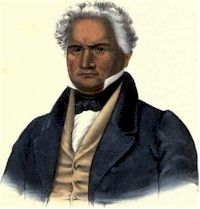
Major Ridge

The Guion Miller Roll documents applications for compensation from Eastern Cherokee descendants following the 1906 U.S. Court of Claims judgment. It includes 45,857 applications, detailed genealogical information, rejection notes, and supporting records. This resource helps researchers trace family connections, even for rejected claims, and explains the legal history behind the final approved Cherokee enrollment rolls.
Delaware Indian Allotments

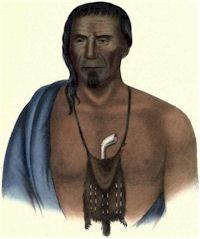
Tishcohan A Delaware Chief

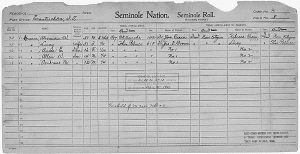
This collection outlines the names of Delaware and Cherokee Indians involved in land allotments within the Cherokee Nation. It includes a detailed history and documentation pertinent to researchers identifying ancestors on the Final Rolls. To aid in this process, individuals are advised to note card numbers found in this collection and search the Final Roll Database with the prefix “OS.” Additionally, the report from the Commission to the Five Civilized Tribes from late 1903 discusses the allotment and segregation of lands for Delaware Indians.

Campbell’s Abstract of Creek Indian Census Cards

Example of Census Card

The 1907 publication of the Tribal Rolls provided essential data, including roll numbers, names, age, sex, and blood quantum. However, this information proved insufficient for those unfamiliar with the Dawes Commission’s records and procedures. While savvy individuals could seek additional details, most outside investors lacked the knowledge to do so. Consequently, they accepted the roll book data as definitive, overlooking the fact that family members could appear on multiple census cards, a point known only to those experienced with the records.

Native American Cemeteries

Native American Cemeteries offers an extensive and detailed list of all known Indian cemeteries across the United States and Canada. This resource is dedicated to cemeteries that have significant concentrations of Native American and First Nation burials. While it is true that Native Americans and First Nation Peoples are often interred in general cemeteries, this page focuses specifically on those burial grounds where Native heritage is prominently represented.

Indian Census Records Online

The following consist mostly of free resources for finding Native American census records online. We do provide links to the paid subscription websites when there is either added value in their paid version, or when there is not a free version available online.

Indian Tribes of the Rocky Mountain Region

The Rocky Mountain Regional Office (RMRO) plays a vital role in managing and protecting Trust Resources for American Indian tribes, enhancing life quality, and supporting Tribal Sovereignty and economic development. It oversees reservations like the Blackfeet, Crow, Fort Belknap, Fort Peck, Northern Cheyenne, and Wind River, each rich in cultural and natural resources, housing thousands of enrolled tribal members across extensive lands. The RMRO collaborates with tribal entities and agencies to promote self-determination for these communities throughout the region.

Native American Rolls

Example of Census Card

During the period of Indian Removal beginning in 1831 extensive records were generated through the turn of the century when Southeastern Indians were uprooted from their homelands in Georgia, Alabama, Mississippi and Florida. They were taken west of the Mississippi River in what is now Oklahoma. These records relate to treaties, trade, land claims, removal to Oklahoma, allotments, military affairs, military service and pensions, trust funds, and other activities. While the vast majority reference Southeastern Tribes, there are some which pertain to Western tribes as well.

Researching your Native American Genealogy

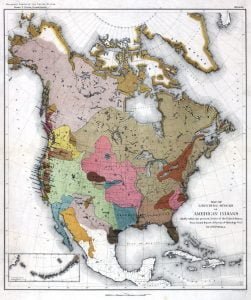
Linguisitic Families of American Indians - Powell

Researching Native American genealogy requires a methodical approach, beginning with your own lineage and working backwards. Initial steps involve documenting family ties and names, keeping in mind that many ancestors had only one name assigned later by government agents. It’s crucial to understand the historical context of your tribe and where your ancestors lived, as well as to utilize census records and various rolls for verified connections. Expect to uncover complex and sometimes unsettling family histories as you delve deeper into your ancestry.

History of Fannin County Texas

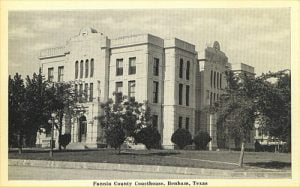
Fannin County Courthouse

Fannin County, established in 1837, is one of Texas’s oldest counties, organized in early 1838. Initially encompassing extensive territories westward, it was settled predominantly by southern planters attracted to its fertile lands along the Red River, ideal for cotton and corn farming. Significant towns from the ante-bellum period included Bonham, the county seat, and Honey Grove. Despite limited transportation options, settlers relied on the river for product transport and maintained a subsistence lifestyle. The county has a rich collection of biographies detailing its early inhabitants.

Athens County Ohio Genealogy

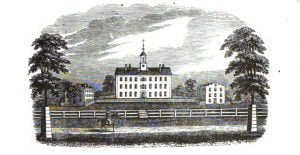
Ohio University at Athens

Most of the Athens County Ohio Genealogy collection has been extracted from Walker’s History of Athens County. These consist of numerous biographies, lists of town officers and land records. To this has been added an 1820 census index of Athens County, extracted from the original records by Dennis Partridge. And transcriptions from several cemeteries extracted from WPA lists.

Montana Indians and Indian Wars, 1855-1882

Map of Bozeman Route

Prior to the gold rush, Montana’s tribes, including the Blackfoot, Gros Ventres, Piegans, and Crows, had treaties with the U.S. government. The Crows, initially compliant, faced internal strife and later hostilities from the Sioux. Tensions escalated as settlers encroached on tribal lands, leading Governor Edgerton to call for volunteers against Indian raids. In 1865, a new treaty with the Blackfoot was met with insincerity, resulting in renewed violence. Treaties often proved ineffective, as hostilities persisted amidst fluctuating military and governmental engagements in the region.

Nez Percé and Shoshone Indian Lands in Idaho

The Native Races of Idaho were split between the Nez Percé in the north and the Shoshone in the south, with the Nez Percé generally seen as more advanced. During the 1863-1868 conflict, the Nez Percé largely remained passive despite grievances. Tensions rose due to treaty violations and gold discoveries on their lands, leading to divisions within their tribe. Attempts at negotiation often failed, showcasing the complexities of tribal leadership and external pressures from the U.S. government and encroaching settlers, ultimately resulting in further disputes over land and autonomy.

Virginia Revolutionary War Pensions

This extensive collection of Revolutionary War pension records includes detailed digital images of pension files for veterans, encompassing soldiers and sailors. Unlike selective service records, these files provide in-depth insights into the veterans’ histories, health statuses, and family backgrounds post-war. The records, hosted primarily at the USGenWeb Pension Archives, feature names and details from numerous counties, showcasing the diverse experiences of Virginia’s soldiers during and after the war.