
Naticoke Burial Customs

The Nanticoke tribe, initially living on Maryland’s Eastern Shore, migrated north around 1730, influenced by their connections to the Delaware and later the Iroquois. They practiced a unique burial custom of transporting the bones of their deceased across long distances, sometimes even in a state of decay. Excavations near their former village site revealed substantial ossuaries and individual graves, suggesting a complex burial practice influenced by cultural connections with northern Iroquoian tribes, indicating their longstanding habitation in the region.
Ossuaries as a Form of Burial Custom

In western New York, numerous ossuaries reflecting Huron influence have been discovered, often containing skeletal remains and native artifacts intended as offerings. These rectangular burial sites, meticulously prepared and strategically located, have yielded significant insights into communal burial practices. A notable find in May 1909 near Gasport lacked thorough documentation, while an 1853 mention in Grahams Magazine suggested a military burial site linked to the 1687 conflict between the Marquis de Nouvelle and the Senecas along the Genesee River.

Ossuaries

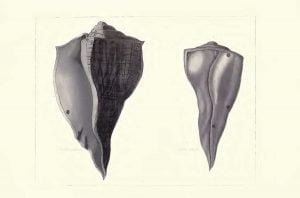
Sea Shells - Plate 35

In ancient North America, many tribes practiced unique burial customs that involved exposing the bodies of the deceased, often placing them in trees or on scaffolds until decomposition occurred. This practice, which included the role of “bone-pickers” for final interment, led to the creation of ossuaries, where disarticulated bones were found in elevated areas to avoid water damage. Such sites, like those discovered on Isle Ronde and near Dundas, reveal a rich tradition of collective remembrance and display artifacts indicating cultural connections across regions and tribes, reflecting the complex history of memorialization before European contact.