Barre in the Great Flood of 1927

Barre in the Great Flood of 1927 toc
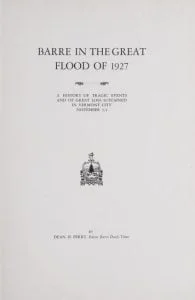
In November 1927 over a 39-hour period a total of 9 inches of rain fell in the area surrounding Barre Vermont. Barre sits in an area described by the author as a huge catch basin, and the rivers and brooks feeding them could only filter so much rain at one time before overflowing their banks. The tragic outcome wasn’t a loss of property, it was that 63 individuals would lose their life due to the flooding. This book provides an accurate eye-witness account of the flooding and is filled with pictures of the aftermath. It is free to read or download.

The Johnstown Pennsylvania Flood

The Great Conemaugh Valley Disaster

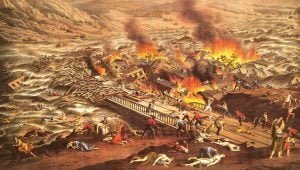
On May 31, 1889, following an unprecedented storm, the South Fork Dam near Johnstown, Pennsylvania, burst, unleashing a catastrophic flood. The Conemaugh River surged, reaching heights of 60 feet and traveling at 40 miles per hour, devastating the town and its surroundings. Despite warnings, many residents were caught off guard, leading to approximately 2,200 deaths. Debris fires and the destruction of structures like the Stone Bridge added to the horror, marking the flood as one of the deadliest disasters in U.S. history.

The Johnstown Flood by Charles Guggenheim

Charles Guggenheim

Charles Guggenheim’s documentary on the Johnstown Flood, released in 1989 to mark the disaster’s centennial, earned him an Academy Award for its poignant portrayal of the 1889 tragedy that claimed 2,200 lives. Utilizing archival film and photographs, the series chronicles the events leading up to the flood, including the establishment of the South Fork Hunting and Fishing Club and the dam’s assessments. It offers unique insights into both the social context of the era and the catastrophic impact of the flood.

Johnstown Flood Mosaic Gallery

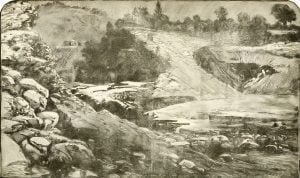
Johnstown after the Flood

The Johnstown Flood Mosaic Gallery features over 60 sketches, vividly illustrating the devastation wrought by the flood. The artwork captures scenes of suffering, such as the carrying of supplies, the tragic aftermath of drowning and rioting, and the efforts of relief parties. Other poignant images depict the recovery of bodies, the impact on families, and the destruction of infrastructure. Collectively, these sketches serve as a somber testament to the human cost and chaos following one of the most catastrophic floods in U.S. history.

Inundations

Canal Street in New Orleans serves as a central hub of commerce and social activity, reminiscent of the historic Place d’Armes. It features a bustling array of retail stores and gatherings that showcase the city’s diverse culture. Notable structures like the Grand Opera House and Henry Clay’s statue mark the street, while its adjacent neutral ground reflects the area’s history. The post also addresses the city’s vulnerability to inundations from the Mississippi River and Lake Pontchartrain, revealing the historical challenges of drainage and flood management in this unique delta environment.

Johnstown Flood Victims

The lists of missing and dead

The Johnstown Flood of 1889 resulted in a staggering loss of life, with numerous individuals reported missing or confirmed dead. The list details names, ages (if known), addresses, and burial locations, indicating the tragic impact on families and communities. Many remain unidentified or their bodies unrecovered, showcasing the sheer devastation of the disaster. This comprehensive record serves as a poignant reminder of the personal toll experienced during this catastrophic event. For further insights and visuals, additional resources can be found on the main page dedicated to the Johnstown Pennsylvania Horror.

Millions of Money for Johnstown

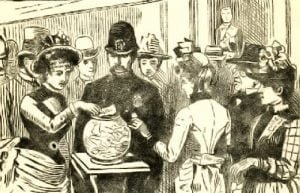
Contributing to the Relief Fund in Philadelphia

In the wake of the tragic Johnstown disaster, an unprecedented outpouring of public sympathy and generosity emerged across the nation. Individuals from all walks of life, including children and city officials, rallied to support relief efforts, contributing both money and supplies. The New York Herald spearheaded fundraising initiatives, receiving donations that quickly totaled hundreds of thousands of dollars. Communities nationwide, including those from Paris and London, united in their efforts, showcasing an extraordinary commitment to aid the flood’s victims and restore hope amid profound adversity.

A Day of Work and Worship

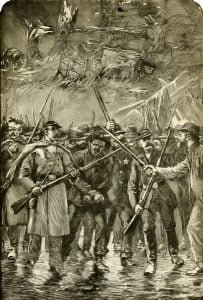
Rioting

Governor Beaver has taken command in Johnstown, allocating $1 million from the State Treasury for cleanup efforts following the devastating flood. While the community engaged in prayer, they also worked tirelessly to recover from the disaster, with the recovery of many bodies in progress. Religious services were held openly, providing solace amid the destruction. Amidst ongoing excavation, a soldier tragically took his own life, reflecting the deep despair in the aftermath. As the city began to confront its losses, instances of violence emerged, highlighting the community’s struggles.

A Walk Through the Valley of Death

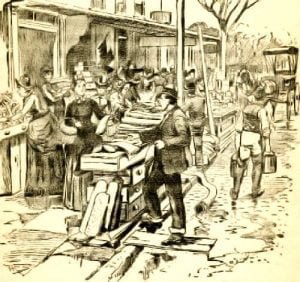
Selling damaged goods

The narrative recounts a guided tour through the devastated landscape of Johnstown after a catastrophic flood. The guide describes the overwhelming destruction, including leveled buildings, scattered debris, and the emotional toll on survivors. The flood’s power is illustrated through vivid imagery of ruined homes and displaced bodies. Amidst the grim scenes, the organization of recovery efforts and the resilience of soldiers and workers emerge. The poignant encounters with survivors reveal the deep loss and altered existence in the aftermath of the disaster, as Johnstown begins its painstaking recovery.

One Week After the Great Disaster

image6

One week after the catastrophic flood, Johnstown is slowly beginning to recover from its devastating destruction. Workers, both military and civilian, are clearing debris from the landscape once filled with homes and businesses, now largely reduced to rubble. The visible path of destruction remains stark, marked by the remnants of buildings and the horrifying reality of unburied bodies. As recovery efforts intensify, the community grapples with ongoing challenges, including shortages of food and the pressing need to identify the deceased. The long-term implications for public health and the town’s future loom ominously.

Stories of the Flood

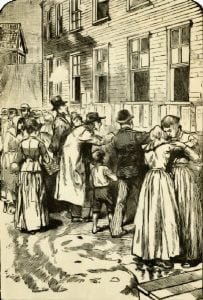
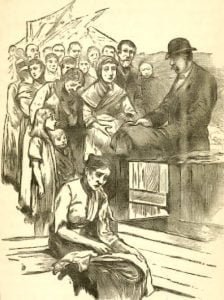
Distributing clothing and other supplies

Following the catastrophic flood in Johnstown, concerns grow over a potential epidemic as sanitation conditions deteriorate. Medical experts warn of rising sickness, citing cases of diphtheria and dysentery among workers who lack fresh food. Despite efforts by health authorities to manage sanitation through disinfection and coordination for burials, fears persist. The aftermath reveals the loss of lives and the struggle of survivors who face extreme hardship, as they navigate both the ruins of their homes and the uncertainty of available aid.

Terrible Pictures of Woe

Johnstown after the Flood

Following the catastrophic flood in Johnstown, the population plummeted dramatically from 40,000-50,000 to about 13,000 surviving residents. Recovery efforts faced immense challenges, including identifying countless bodies and managing widespread devastation. As rescue operations progressed, horrific scenes emerged, such as families found bound together in death. The flood swept away entire neighborhoods, leading to fears of disease due to rising pollution. Relief efforts were complicated by scarcity and tensions among survivors, while orphaned children began to emerge as a tragic consequence of the disaster.

Hairbreadth Escapes

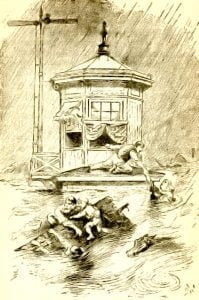
Rescues at the signal tower

From a vantage point atop Kernville Mountain, the catastrophic aftermath of the Johnstown flood becomes clearer, revealing the extent of the destruction. The flood carved a defined path through the town, twisting houses and carrying debris far downstream. Many buildings were demolished or swept away, while some were oddly relocated. Eyewitness accounts highlight the harrowing tales of survival amid chaos, with individuals clinging to debris and experiencing miraculous rescues, all set against the backdrop of a community forever altered by this natural disaster.

Digging for the Dead

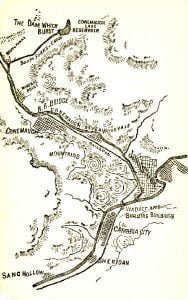
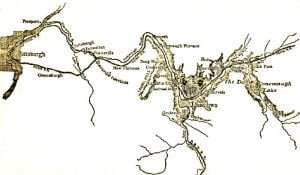
Map of the Conemaugh Valley

The post details the tragic aftermath of a devastating flood in Johnstown, where vast piles of debris, including homes and trees, conceal an estimated one thousand bodies. Recovery efforts are ongoing but challenging, with workers systematically searching for remains amid the wreckage. The weather’s coolness is a temporary relief, preventing rapid decay of the deceased. As families mourn and search for lost loved ones, some bodies found are barely recognizable, complicating identification. Amid the chaos, looting and disorder exacerbate the devastation’s toll on the community.

Pathetic Scenes

Child found thumping on a wrecked piano

The flood’s aftermath reveals harrowing scenes of loss and desperation. John Henderson tragically loses a child and his mother-in-law while fighting for survival. Dr. Holland watches his children drown, later encountering a thief amid the chaos. Families are torn apart; a father is crushed while his children are saved. Grief intertwines with resilience as survivors recount their narrow escapes. The morgue fills with the unidentified dead, while the community mourns and searches for lost loved ones amidst the wreckage.

New Tales of Horror

Map of Johnstown Flood

The narrative recounts the aftermath of the Johnstown Flood, detailing the devastation and loss of life that occurred after the disaster on June 5, 1889. Eyewitness accounts highlight the pervasive threat of disease, chaos among the survivors, and the grim task of retrieving unrecognizable bodies from the wreckage. Efforts for order have begun, yet the town remains under martial law due to concerns over looting and unrest. Relief efforts are underway, but the scale of the tragedy—over a thousand lives lost—renders the situation grim and overwhelming for those who remain.

Thrilling Experiences

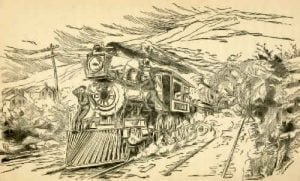
An engineer's terrific race in the valley of death

The Johnstown flood of June 3, 1889, unleashed catastrophic destruction, with eyewitness accounts detailing the horror as the South Fork Dam burst, sending a torrent of water that claimed countless lives. Amidst chaotic escapes, one conductor observed hundreds of bodies swept away, while others described desperate attempts to save loved ones. As houses were carried away and fires raged, local heroes emerged, including Mrs. Ogle, who bravely sent warnings until engulfed by the flood. The devastation sealed Johnstown’s fate, with the loss of both life and community.

View of the Wreck

Johnstown Flood

The catastrophic flood that struck Johnstown resulted from the failure of the South Fork dam, exacerbated by unprecedented rainfall across a vast area. While initial warnings about the impending disaster went largely unheeded, the subsequent deluge devastated the town, causing immense loss of life and destruction. An estimated 5,000 inhabitants perished, and the physical landscape was ravaged, with most buildings either destroyed or buried in debris. The aftermath prompted a significant response, with state and national aid mobilizing to address the urgent needs of survivors and recover the dead.

Johnstown and Its Industries

image46

Johnstown, originally a small village, saw the establishment of the Cambria Iron Company in 1852, which evolved from basic charcoal furnaces to significant industrial works. Despite early struggles, including financial crises and a devastating fire in 1857, the company persisted, transitioning to coke furnaces and later becoming a leader in steel production. By the late 19th century, the Cambria Iron Company had expanded significantly, contributing to the local economy and community through employment and various social institutions, shaping Johnstown into a thriving industrial town.

Burial of the Victims

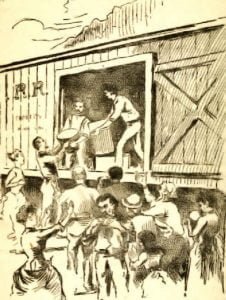
Distributing supplies from the relief train

In the aftermath of the disaster, hundreds of victims have been hastily interred in shallow graves without ceremonies or mourners, as urgency prevails. Men are crafting coffins from the remnants of their homes, while temporary burials are conducted to prevent health crises due to decaying bodies. Affected areas speak of the looming threat of pestilence as corpses and contaminated debris flow into waterways. Despite warnings from health officials, overwhelmed searchers demand to recover their loved ones, complicating efforts to mitigate the public health disaster.