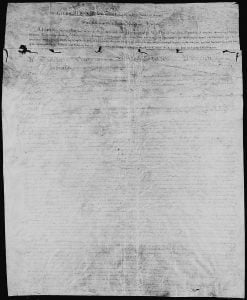
Treaty of August 3, 1795

Treaty of Greenville 1795

The Treaty of Greenville, signed on August 3, 1795, marked a crucial agreement between the United States and several Native American tribes, including the Wyandot, Delaware, and Miami. Establishing peace, it ended hostilities and facilitated the cession of vast lands in Ohio to settlers. It set future precedents for land treaties, leading to further territorial losses for Indigenous peoples. Key provisions included the cessation of violence, the restoration of prisoners, and defined boundaries for Native lands, underlining a complex relationship rooted in both cooperation and dispossession.

Treaty of June 7, 1803

On June 7, 1803, a treaty was signed at Fort Wayne between the United States and several Indian tribes, including the Delaware, Shawanoe, and Miami nations. The treaty established boundaries for land claims and outlined the cession of the great salt spring on Saline Creek to the United States, which also agreed to provide annual salt for the tribes. Additionally, provisions were made for locating tracts of land for traveler accommodations. The treaty aimed to foster cooperation between the U.S. and the tribes while clarifying land rights.

Kickapoo Indian Chiefs and Leaders

Kanakuk was a significant Kickapoo prophet who rose to prominence after the tribe ceded their lands in 1819. Unable to relocate to Missouri due to Osage hostility, part of the tribe migrated to Texas, while others remained in Illinois. Kanakuk urged his followers to abandon their superstitions and live virtuously, promising a prosperous future. He became chief of the Kickapoo who stayed, influencing many Potawatomi as well. He led them through their eventual relocation to Kansas, where he continued to guide them until his death from smallpox in 1852.

Kickapoo Indian Tribe Customs

The Kickapoo Indian Tribe established fixed villages with unique housing structures, cultivating crops like corn, beans, and squash, while also engaging in buffalo hunting in the plains. Known for their interactions with other tribes, particularly in horse theft, their culture remained distinct despite these influences. They hold a belief in a cosmic substance intertwined with nature, practice the Kigänowini feast dance, and revere dogs. Their mythology, centered around a culture hero’s younger brother, reflects rich traditions and a gentile marriage system aligned with paternal lines.

Kickapoo Tribe

The Kickapoo Tribe, part of the central Algonquian group, first emerged in recorded history around 1667-70 near the Wisconsin and Fox rivers. Their movements included alliances with other tribes and involvement in significant conflicts, such as the War of 1812 and the Black Hawk War. Over the years, they ceded lands to the United States and migrated to Missouri and Kansas, with a faction relocating to Mexico, where they became known as the Mexican Kickapoo. Today, some remain in Mexico, while others reside in the U.S.

Kickapoo Indian Tribe Population

The Kickapoo Tribe’s population has seen significant decline since the 18th century. Estimated at 3,000 in 1759, it decreased to 2,000 by 1817 and 2,200 in 1825. By 1875, the total was reported at approximately 800, with numbers continuing to drop through the late 19th and early 20th centuries. In 1905, there were about 432 in the U.S. and an estimated 400 in Mexico. Today, Kickapoo villages include Etnataek, Kickapougowi, and Neconga.

Tribal Signs – Cree to Kutine – Sign Language

fig290

The text discusses various tribal signs used in Native American sign language, focusing on the Cree, Dakota, and other tribes. It details signs associated with specific cultural references, such as “cut-throat” for the Dakota, indicating their historical conflicts, as well as gestures representing physical features, occupations, and experiences, including those related to personal identity and community practices. Each sign reflects unique cultural narratives and interactions among different tribes, illustrating the rich tapestry of communication across these communities.

Algonquian Sign Language among the North American Indians

The document features various contributions regarding the sign languages of North American Indian tribes. It includes letters and observations from individuals such as H.L. Masta and Lieut. H.B. Lemly, detailing signs from the Abnaki, Arapaho, Cheyenne, Ojibwa, and Sac and Fox tribes. These accounts, compiled between 1846 and the early 1880s, reflect a diverse collection of linguistic expressions used for communication within these tribes, highlighting the rich cultural tapestry of Algonquian Sign Language.

Indian Appropriation

During a visit to Philadelphia, Iroquois chiefs received an annual appropriation of $1,500 from Congress for their welfare and were engaged in a diplomatic mission to assure western tribes of U.S. intentions. The chiefs, including Red Jacket, were honored and appreciative of the support offered by President Washington to improve their lives. However, tensions persisted as some tribes, instigated by British agents, demanded the Ohio River as their boundary. Despite various councils and negotiations, hostilities continued until General Wayne’s decisive victory, which shifted the balance towards peace.

Kickapoo Indian Tribe of Brown County Kansas

The Kickapoo Indian Tribe of Brown County, Kansas, played a significant role in the region’s history, particularly during the westward expansion of the United States. Originally settled in Illinois, the Kickapoos were forced westward as settlers encroached on their lands. Led by their prophet Kennekuk, the tribe moved into what is now Kansas, where they initially occupied land near Wathena before being relocated to a reservation in Brown County. Over time, treaties reduced their landholdings drastically, eventually leaving them with a smaller area in the southwestern part of the county. Despite these reductions, the Kickapoo have adapted to changes by embracing farming and integrating aspects of white culture, while the government continues to manage their lands and protect them from exploitation.

Fox Murderers Wanted

In April 1832, Brig. General Atkinson mobilized troops to Fort Armstrong to prevent war between the Menominee and Fox Indians, following a massacre by the Foxes. Upon arrival, he learned that Black Hawk’s band was preparing to invade Illinois, presenting a new threat. Atkinson sought intelligence from local officials, concluding that strong measures were necessary. Consequently, Illinois Governor Reynolds called up militia forces, which assembled in Beardstown, organized under Brig. Gen. Samuel Whitesides, and prepared for a campaign against the hostile tribes.

Indian Tribes of the Southern Plains Region

The Southern Plains Regional Office of the Bureau of Indian Affairs, led by Regional Director Dan Deerinwater and two Deputy Regional Directors, focuses on enhancing cooperation among Federally-recognized tribes in the region. The office engages with various tribal entities while supporting the needs and history of tribes, including the Apache, Caddo, Comanche, and others in both the Anadarko and Concho Agencies. Each tribe is recognized for its distinct heritage and culture, contributing to the rich tapestry of the Southern Plains.