
Tribal Signs – Atsina to Comanche – Sign Language
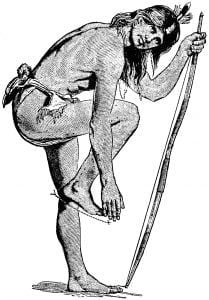
fig286

The post describes various tribal signs, focusing on the Atsina, Banak, Blackfeet, Caddo, and Comanche cultures. Each sign conveys specific meanings related to cultural practices, such as tattooing, throat cutting, and body markings. The Atsina’s signs illustrate actions like picking objects and tattooing, while Banak signs reflect historical practices of throat cutting. Blackfeet and Cheyenne signs depict symbolic gestures related to cutting or marking the body. Notably, the Comanche signs highlight their connection to nature and horsemanship, particularly through the imagery of a snake.
1837 Smallpox Epidemic

The smallpox epidemic of 1837 had a devastating impact on Native American tribes in the Missouri Valley. Originating on a steamboat, the disease spread rapidly, decimating populations— Mandans dropped from 1,600 to 31 and Minnetarees from 1,000 to 500. The Assiniboins, Crows, and Blackfeet suffered similarly heavy losses, with an estimated 10,000 deaths. Eyewitness accounts described a haunting scene of desolation, with empty lodges and scattered corpses, reflecting the profound tragedy that swept through the region, leaving a scar on the landscape and the survivors.

Blackfoot Lodge Tales

Blackfoot Camp

Around the fire at the Two Medicine lodge, Double Runner underscored the divide in knowledge between Native Americans and whites, emphasizing the necessity for education to navigate changing times. As he held up a scrap of printed paper, he lamented that understanding such knowledge could empower their people against exploitation. This reflection on loss and transformation highlighted a critical moment in Blackfoot history. Additionally, George Bird Grinnell’s contributions to preserving Indigenous stories and wilderness, notably through works like *Blackfoot Lodge Tales*, reflect a commitment to understanding and safeguarding this cultural legacy.

Blackfeet Indian Reservation

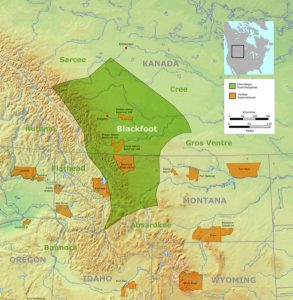
Map of the Blackfoot Reservation

The Blackfeet Reservation was established through treaties, notably the Treaty of October 17, 1855, and the Treaty of Fort Laramie in 1851, defining its original boundaries. The Blackfeet Nation, which includes the Piegans divided into North and South factions, agreed to set aside common hunting grounds to ensure peace among tribes. Over time, the reservation’s size has diminished due to subsequent treaties and legislative acts, leading to its current expanse of approximately 1.4 million acres in Montana.