
North America Indian Names of Places in Mississippi, Alabama, Georgia, Florida, and Louisiana

The post examines the significance and origins of North American Indian place names in Mississippi, Alabama, Georgia, Florida, and Louisiana, particularly those derived from the Choctaw and Chickasaw languages. It highlights how these names reflect the rich cultural and linguistic heritage of the Native American tribes, while noting that many translations have become corrupted over time. The text provides numerous examples of place names alongside their original meanings, illustrating the deep historical connections embedded in the geography of the region.
The Natchez and the French

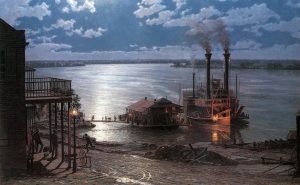
Natchez Under the Hill

The Natchez people faced devastation following the arrival of French colonists in 1716, marked by the establishment of Fort Rosalie. Initial attempts at peace failed due to cultural misunderstandings and disrespect from French leaders like Cadillac and Bienville, leading to hostilities. Despite attempts to negotiate, the Natchez were met with treachery, culminating in violent conflicts and eventual extermination by French forces. By 1733, remnants of the Natchez sought refuge among other tribes, disappearing as a distinct people, victims of colonial aggression and betrayal.

Gov. Perier and Bienville

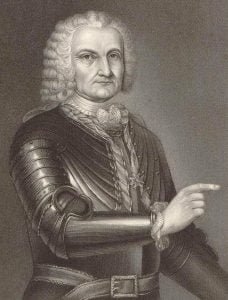
Bienville

The English colonists, wary of French expansion along the Mississippi, fostered conflicts between French and Native American tribes, particularly igniting animosity with the Chickasaws after a failed French escort led to their warriors’ deaths. Bienville, the French governor, attempted to use the Choctaws against the Chickasaws but faced significant resistance. Subsequent military expeditions by both Bienville and d’Artaguette ended in disastrous defeats against Chickasaw defenses. Ultimately, the Chickasaws showcased their resilience, marking critical victories that hindered French ambitions in the region.