Creek Research

This post provides a comprehensive collection of resources for researching Creek Indians, the largest group within the Muskhogean family. It includes links to genealogical records, historical biographies, census data, cultural information, and details about treaties. The text highlights various Creek leaders and offers insights into the tribe’s history, culture, and language, emphasizing the importance of understanding their legacy within Alabama and Georgia. It invites readers to contribute additional resources to enhance this compilation focused on Creek heritage.

Creek Tribe

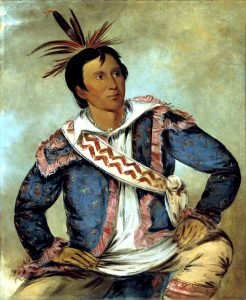
Yoholo-Micco. A Creek Chief, from History of the Indian Tribes of North America

The Creek Indians, a prominent confederacy within the Muskhogean family, primarily inhabited parts of Alabama and Georgia, focusing on regions near the Coosa and Tallapoosa rivers. They engaged with Europeans as early as 1540, aligning with the English against Spanish forces in the early 18th century. The Creek confederacy encompassed various clans, spoke multiple languages, and maintained a complex social structure. Significant conflicts led to their eventual removal to Indian Territory between 1836 and 1840, where they reorganized into a legislative framework.

Cree Research

This post provides valuable resources for Cree research, primarily from AccessGenealogy, alongside external links recognized for their quality content. It presents information on the Cree, a significant Algonquian tribe once inhabiting regions in Canada, such as Manitoba and Assiniboine. The post includes archives, genealogical tools, histories, and cultural insights, emphasizing the importance of preserving Cree heritage. Additionally, it encourages contributions of new resources from the community to enhance the knowledge base for those exploring Cree ancestry and culture.

Comanche Research

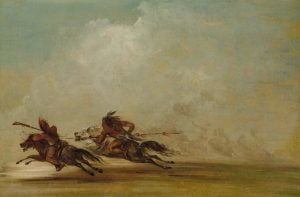
War on the plains

This post offers a comprehensive array of resources for researching the Comanche Indians, highlighting links primarily from AccessGenealogy alongside valuable external sites. It discusses the Comanche’s Shoshonean roots and their lifestyle on the plains, along with details on genealogical records, biographies, census data, and historical accounts. Topics such as Comanche history, language, military involvement, and treaties are covered, providing a well-rounded foundation for further study into this significant Native American tribe. The post invites contributions of additional resources from readers.

Choctaw Genealogy

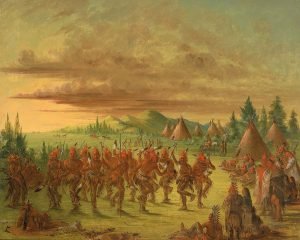
Choctaw Eagle Dance, George Catlin, 1845-8

The Choctaw Tribe, an important group within the Muskhogean stock, historically occupied regions in Mississippi and parts of Alabama. Known for their agricultural practices, they engaged in complex cultural traditions, including artificial head flattening and specific burial customs. The tribe’s first recorded mention was in 1540, and they established early relations with French settlers. After numerous treaties and territorial changes, many Choctaw migrated to Indian Territory in the 19th century, with detailed genealogical records available for descendants seeking to trace their ancestry.

Choctaw Research

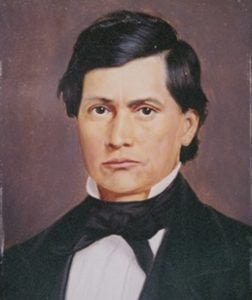
Peter Perkins Pitchlynn was the Choctaw Principal Chief from 1864-1866

This compilation of resources is designed to aid in Choctaw research, primarily featuring materials from AccessGenealogy, along with other valuable external links. It discusses the history, territory, and cultural practices of the Choctaw tribe, while also providing access to various genealogical resources, including census records, biographies of tribal leaders, and legal documents. The post invites readers to contribute additional resources, ensuring a comprehensive approach to understanding Choctaw heritage and lineage.

Chippewa Indians Research

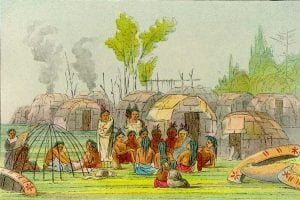
Catlin, George - 334, Chippeway Village and Dog Feast at the Falls of St. Anthony; lodges build with birch-bark: Upper Mississippi

This resource page provides extensive databases, links, and genealogical information to aid research on Chippewa ancestry. The Chippewa, a significant tribe historically located around Lake Huron and Lake Superior, have a rich heritage documented through various records, including censuses, church and court documents, and cemetery listings. The site also features biographies, tribal histories, and recognized tribal leaders, offering insights into the Chippewa’s past and present while assisting individuals in tracing their lineage and understanding their cultural roots.

Chinook Indian Research

This page serves as a resource for researching Chinook ancestors, detailing the history and culture of the Chinook Indians, who inhabited the north side of the Columbia River. Described by Lewis and Clark in 1805, the Chinook were prominent traders before white settlement, utilizing dentalium shells as currency. The site includes biographies of notable figures, genealogical resources, cultural and linguistic information, and links to treaties and historical records, supporting efforts to trace ancestry and understand Chinook heritage.

Chickasaw Indian Research

Cyrus Harris of the Chickasaw Nation

This page serves as a resource for research on Chickasaw ancestry, providing access to databases, historical records, and genealogical links. The Chickasaw, a Muskhogean tribe with ties to the Choctaw, originally inhabited northern Mississippi, with significant 18th-century settlements near Pontotoc and Union counties. Key resources available include census records, church documents, biographies of notable figures, and insights into Chickasaw culture and history. Additionally, information on treaties, land, and educational institutions relevant to the Chickasaw Nation is also offered.

Cherokee Tribe

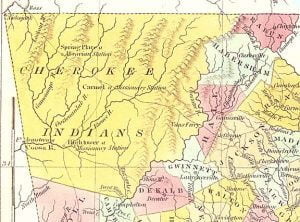
1830 Map of Cherokee Territory in Georgia

The Cherokee, a significant tribe of the Iroquoian family, historically occupied regions in the southern Alleghenies and claim ancestral ties to various groups, including the Choctaw. Their language comprises three main dialects, with the upper dialect prevalent in literature. Following initial European contact in 1540, the Cherokee engaged in conflicts with settlers and adapted a government reflecting U.S. models. They faced forced removal in 1838, enduring significant hardships, yet later reorganized. The tribe comprises various clans and has seen fluctuating population numbers throughout history.

Caddo Indian Research

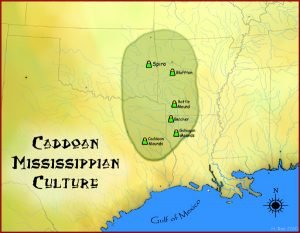
Map of Caddoan Mississippi Culture

This resource page provides an extensive collection of information for researching Caddo Indian ancestry, including historical contexts, customs, cemeteries, census records, and biographies. It highlights the Caddo, a prominent tribe within the Caddoan linguistic family, offering insights into their traditions and language. The page also includes details on historical treaties, military service, and various links to genealogical resources. Additionally, it aims to assist researchers with resources on Caddo culture and history, emphasizing the tribe’s enduring legacy despite challenges faced over time.

Blackfeet Indian Research

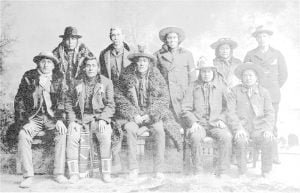
Piegan Chiefs and Headmen, Blackfeet Agency, Montana

This page offers extensive resources for researching Blackfeet ancestry, including links to databases, historical accounts, and genealogy assistance. The term “Siksika,” which refers to the Blackfeet, derives from the word for “black” and may connect to the discoloration of their moccasins. The Blackfeet Nation consists of three subtribes: Siksika, Kainah, and Piegan, along with allied tribes such as the Atsina and Sarsi. The page also features information on culture, history, military participation, and significant biographies.

Cheyenne – Arapaho Indian Research

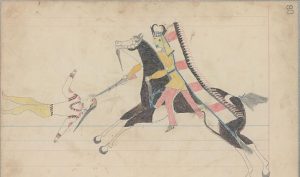
Ledger Drawing - Cheyenne Crazy Dog Society Warrior

This page serves as a resource for researching Cheyenne and Arapaho ancestry, providing access to databases, links, and historical information about these Plains tribes, which belong to the Algonquian family. It outlines notable historical figures, census records, court documents, customs, and language. The content also highlights genealogical resources and significant events, such as treaties and conflicts involving the tribes. Further reading is encouraged to understand the challenges faced during the reservation period and their cultural heritage.

Apache Indian Research

White-Man, head chief of the Kiowa Apache

This resource page offers extensive information on Apache Indian ancestry, tribes, and cultural heritage. It includes links to biographies, historical archives, and databases related to Apache leaders like Geronimo and Cochise. Researchers can access census records, cultural customs, and military history, alongside resources for tracing lineage and learning about Apache language and legends. Furthermore, the page outlines treaties involving Apache tribes and suggests readings that detail their history and culture.

Algonquian Indian Research

This page offers a comprehensive anthology of resources dedicated to researching Algonquian ancestors, highlighting the historical linguistic stock that once spanned vast areas of North America. It includes links to archives, databases, and genealogy resources, as well as information on Algonquian history, language, and treaties. Additionally, the site provides insights into cultural practices, burial customs, and tribal migrations, invaluable for understanding the Algonquian legacy and aiding in ancestry research.

Seminole Indian Research

Miller Yahola, Seminole

This resource page offers a compilation of materials for those researching Seminole ancestry, detailing the history and culture of the Seminole people, a Muskhogean tribe that emerged in Florida around 1775. It includes archives, biographical information on notable leaders, census records, cultural details, and various genealogical resources. The page also covers Seminole treaties, military history, and educational institutions, aiming to assist individuals in tracing and understanding their Seminole heritage.

Sioux Indian Research

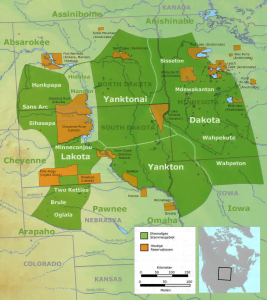
Sioux Lands

This page offers a wealth of resources for researching Sioux ancestry, highlighting the Siouan linguistic family and its prominent group, the Sioux. It includes biographies of significant Sioux leaders, links to federal resources, cemeteries, census records, and tribal histories across various states. Additional sections cover genealogy help, military records, treaties, and mythology. The emphasis is on preserving Sioux heritage and providing comprehensive support for those tracing their Sioux roots or understanding their history.

Cherokee Indian Research

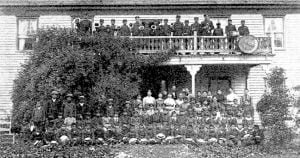
Cherokee Training School "Home" Swain County, North Carolina

This resource compiles essential information for researching Cherokee ancestry, detailing the tribe’s historical territory across various states, including Virginia and Georgia. It includes links to archives, biographies of notable Cherokee figures like John Ross and Sequoyah, genealogical resources, census data, military history, and the Trail of Tears. Additionally, it provides guides for tracing Indian ancestry, treating Cherokee culture, lore, and treaties. This comprehensive collection serves as a valuable tool for historians and genealogists studying the Cherokee heritage.

Massachusetts Indian Tribes

The Mahican inhabited Berkshire County, represented by the Housatonic or Stockbridge Indians. The Massachuset tribe, associated with the Algonquian linguistic stock, occupied the Massachusetts Bay area and once included three kingdoms, each with multiple bands. Their population dwindled significantly due to disease and conflict after European settlement. The Nauset tribe, primarily located on Cape Cod, had early encounters with explorers and later allied with the Pilgrims. The Nipmuc, Pennacook, Pocomtuc, and Wampanoag tribes also played crucial roles in the region’s history, facing similar challenges of decline and adaptation.