
Search Results for: index.htm
The MOWA Choctaws
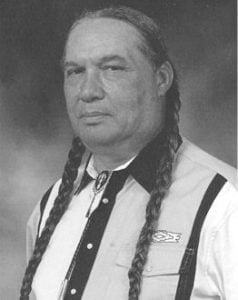
The MOWA Choctaws, descendants of the indigenous Choctaw people in south Alabama, have faced significant challenges in achieving federal recognition. Their community, formed by those who resisted removal during the 1830s, suffers from historical misidentification as “Cajuns,” obscuring their true identity. Despite extensive evidence of their continuous existence and cultural heritage, their petition for federal acknowledgment was denied, largely due to the bureaucratic emphasis on documentary evidence over oral history. The MOWA continue to strive for recognition, navigating systemic obstacles shaped by racism and bureaucratic bias.
The Johnstown Pennsylvania Flood
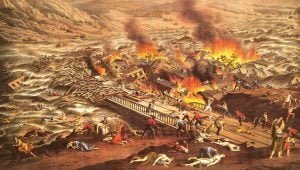
On May 31, 1889, following an unprecedented storm, the South Fork Dam near Johnstown, Pennsylvania, burst, unleashing a catastrophic flood. The Conemaugh River surged, reaching heights of 60 feet and traveling at 40 miles per hour, devastating the town and its surroundings. Despite warnings, many residents were caught off guard, leading to approximately 2,200 deaths. Debris fires and the destruction of structures like the Stone Bridge added to the horror, marking the flood as one of the deadliest disasters in U.S. history.
Alabama Court Records

This page offers a comprehensive collection of Alabama court records, transcribed and accessible online. It includes probate records from 1809 to 1985, comprising wills, estate inventories, and guardianship documents from various counties. Detailed listings are provided for counties such as Autauga, Baldwin, Bibb, and many others, showcasing estate records and other legal documents. This resource serves as a vital tool for researchers and genealogists interested in the historical legal proceedings and familial documentation within Alabama.
Alabama Church Records
Provides links to the various church records for Alabama.
West Virginia African American Genealogy

African American genealogical research in West Virginia faces unique challenges due to limited record-keeping prior to the Civil War. This resources page highlights important materials for tracing Black ancestry, emphasizing the need for careful, methodical research practices. It distinguishes between methods used for enslaved individuals versus free Blacks and white families, especially before and after emancipation. Though recent publications have improved access to information, organizing personal records remains foundational. Resources include census, military, church, and cemetery records to support researchers in their endeavors.
West Virginia African American Census Records
To research West Virginia African American census records, start with free online resources. If your search yields insufficient results, consider subscribing to services offering comprehensive census images. Numerous counties have specific records accessible through the USGenWeb Census Project and Ancestry.com, including federal census schedules from 1850 to 1920, which indicate slave ownership and the presence of people of color. Notable counties include Brooke, Calhoun, Marion, and others, each hosting relevant records for historical research.
Virginia African American Genealogy
Researching African American genealogy in Virginia poses unique challenges due to limited record-keeping pre-Civil War. Although resources have improved, focused methodologies remain essential, particularly when differentiating methods for enslaved versus free individuals. The tools available include genealogical societies, cemetery records, church documents, and census data. Critical post-war records facilitate research, aligning African Americans more closely with white families in documentation. A wealth of resources exists, notably at the National Archives and local libraries, to assist in tracing African American lineage effectively.
Texas African American Genealogy
Researching African American genealogy in Texas poses unique challenges due to limited record-keeping prior to the Civil War. As distinct methodologies apply to tracing enslaved individuals compared to free Black Americans, this genealogy requires careful organization and standard practices. Numerous resources, including census records, church documents, and slave narratives, help researchers navigate these complexities. Recent improvements in publications and access to records have enhanced the landscape of African American genealogy, although it remains a meticulous process that requires thorough investigation.
Texas African American Cemeteries
Cemeteries serve as important historical links to the past, especially those dedicated to African Americans, which often contain significant cultural and genealogical information. A list of African American cemeteries in Texas and Florida highlights the diversity and depth of these burial sites, showcasing places like McShan Memorial Garden and Olivewood Cemetery. Additional resources for exploring these cemeteries can be found online via platforms such as Ancestry.com and USGenWeb Archives. These sites offer further insight into the lives and histories of African American communities.
Tennessee African American Census Records
For those researching Tennessee African American Census Records, it is recommended to start with free online resources. If these do not yield sufficient results, consider subscribing for access to comprehensive census images. Several counties, such as Anderson, Benton, Decatur, Franklin, Gibson, Hardeman, Hardin, Haywood, Madison, and Sumner, host various census records— including mortality and slave schedules—available through platforms like TNGenWeb and Christine’s Genealogy, offering vital information on free persons of color and their histories.
Tennessee African American Genealogy
Researching African American genealogy in Tennessee is particularly challenging due to limited pre-Civil War records. The field requires careful organization of personal materials and adherence to standard research practices, with distinct methods for the periods before and after emancipation. Recent advancements, including publications and guides from genealogical societies, have enhanced access to resources such as census and church records, military documentation, and slave narratives, which are vital for uncovering the histories of African American families in the state.
Tennessee African American Cemeteries
Cemeteries serve as vital connections to our history, particularly those dedicated exclusively to African Americans. The post provides a comprehensive list of African American cemeteries throughout Tennessee, organized by county. Each cemetery holds significant cultural and historical importance, revealing the lives and legacies of African Americans in the region. For further research, additional listings can be found on AccessGenealogy Cemeteries and various local archives.