
Mrs. R. P. Peabody’s History of Shelburne, New Hampshire is a folksy local chronicle published in 1882 that documents the evolution of a small mountain town from its colonial land grant in 1770 through the late 19th century. The text is structured into two primary parts: the first explores the topography and genealogy of the area’s original settlers, while the second focuses on significant economic landmarks like the Shelburne Lead Mine and the White Mountain Stock Farm. Throughout the narrative, Peabody emphasizes the hardships of frontier life, describing the transition from isolated log cabins and hand-spun industries to the modernizing influence of the Grand Trunk Railroad. By weaving together anecdotes of Indian raids, Revolutionary and Civil War service, and the daily rhythms of schools and churches, the author preserves the social fabric and ancestral pride of a community facing a dwindling population. Ultimately, the work serves as an elegant commemorative record of the families who transformed a rugged wilderness into a settled landscape of fertile farms and summer retreats.
History of Shelburne, New Hampshire
Contents
Part I
CHAPTER I
Topography 1
CHAPTER II
The First Settlers 3
Hope Austin 4
Daniel Ingalls 5
Fletcher Ingalls 7
Stephen Messer 9
Thomas Hubbard 12
Thomas Green 13
Samuel Wheeler 17
Evans and Clemens 19
Jonathan Peabody 23
Jonathan Lary 25
Dearborn Lary 25
Nathaniel Porter 25
CHAPTER III
Industries 27
Saw Mills 35
The Winthrop House 36
The St. Charles 36
The Philbrook House 37
The Lead Mine 37
The Stock Farm 42
CHAPTER IV
Travelling Facilities 42
CHAPTER V
Churches 52
Schools 60
CHAPTER VI
Amusements 67
CHAPTER VII
The Indians 78
Shelburne's Soldiers 82
CHAPTER VIII
Burying Grounds 89
Part II
History of The Shelburne Lead Mine 96
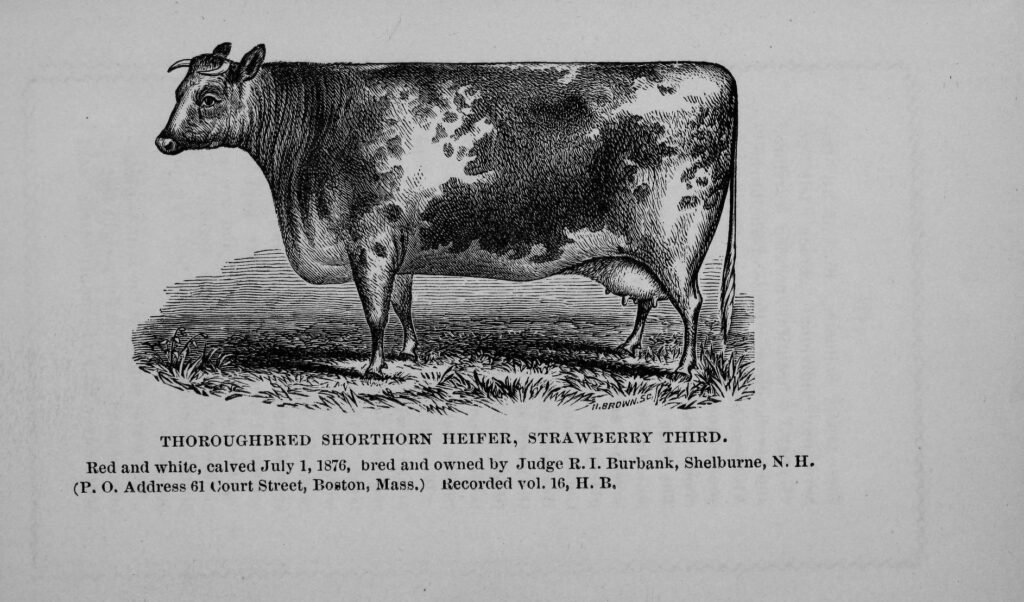
The White Mountain Stock Farm 105
APPENDIX 120
Source
Peabody, R. P. Mrs., History of Shelburne, New Hampshire, Gorham, N.H., Mountaineer print, 1882.