History of Shelburne New Hampshire

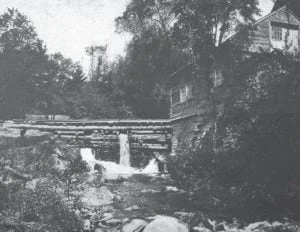
Lead Mine Bridge Shelburne, NH

Mrs. R. P. Peabody’s *History of Shelburne, New Hampshire*, published in 1882, chronicles the town’s evolution from its 1770 colonial land grant to the late 19th century. The narrative is divided into two parts, detailing the region’s topography, original settlers, and key economic developments such as the Shelburne Lead Mine. Peabody illustrates the challenges of frontier life, highlighting significant events, community structures, and the transition brought by the Grand Trunk Railroad, thus preserving the town’s heritage amidst population decline.
The genealogy and history of the Ingalls family in America

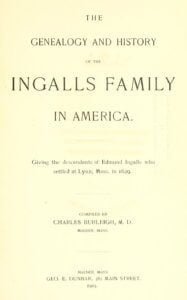
The genealogy and history of the Ingalls family in America

Edmund Ingalls, son of Robert, was born about 1598 in Skirbeck, Lincolnshire, England. He immigrated in 1628 to Salem, Massachusetts and with his brother, Francis, founded Lynn, Massachusetts in 1629. He married Ann, fathered nine children, and died in 1648.

History of the Merchants of Norwich VT

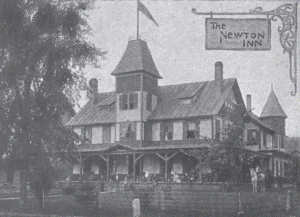
Newton Inn, Vermont

Peter Olcott operated a store in Norwich during the Revolutionary War, followed by Stephen Burton and Ichabod Marshall, early merchants who later moved west. The late 18th and early 19th century saw various merchants such as George Woodward, William Little, and Elias Lyman establishing businesses in the region. The mercantile landscape evolved with partnerships and new firms, including the Olds, Newton, and Lyman firms, adapting through various challenges, such as fires, until the late 19th century, reflecting Norwich’s commercial development.

History of the Industries of Norwich VT

Knapp’s Mill, Norwich, Vermont

The industries of Norwich, VT, while not extensive, have displayed diverse characteristics since the late 18th century. Early establishments included grist and saw mills along Blood Brook, with ownership changing hands over the years. Other ventures featured tanneries, harness and trunk making, and the production of potash and furniture. Notable craftsmen, such as blacksmiths and boot makers, contributed to the local economy. Over time, businesses evolved, leading to the establishment of a creamery in 1888, which later became part of Hood Co.

Postmasters and Postal Service in Norwich Vermont

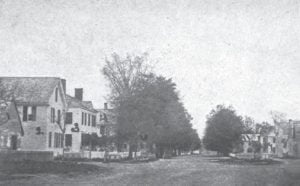
Norwich Vermont Street Scene

Norwich, Vermont, established its first post office on July 1, 1805, with Jacob Burton as postmaster. Operating from his harness shop, he managed limited mail, receiving only two weekly deliveries. By contrast, the volume of mail handled today far surpasses that of early 19th-century Vermont, and the postal system has evolved significantly since the state’s admission to the Union in 1791. Over the years, additional post offices were created throughout the area, reflecting the growth and changing needs of the community.