Potawatomi Tribe

The Potawatomi, an Algonquian tribe, originally inhabited areas around Lake Huron before migrating southward into present-day Illinois, Indiana, and Wisconsin. Known as the “People of the Place of Fire,” they were historically interconnected with the Chippewa and Ottawa tribes. Engaging with both French and British, they participated in various conflicts until land pressures forced relocation. Their culture included unique customs, agricultural practices, and spiritual beliefs, reflected in their social structure. Today, the Potawatomi are primarily located in Oklahoma and Kansas, with a smaller presence in Michigan and Canada.
Assegun Tribe

The Assegun Tribe, traditionally associated with the regions of Mackinaw and Sault Ste Marie, is believed to have been displaced southward by the Ottawa and Chippewa tribes. They are considered to be linked to or possibly identical with the Mascouten Tribe and are noted for creating bone deposits in northern Michigan. Further research is encouraged through available articles and manuscripts for a deeper understanding of the Assegun’s ethnology and cultural significance.

Potawatomi Indian Research

This page offers a comprehensive collection of resources for researching Potawatomi ancestry, including historical documents, genealogical databases, and information on tribal leaders and cemeteries. It details the Potawatomi’s historical identity and affiliations, emphasizing their cultural significance and contributions. Additionally, it includes links to census rolls, tribal histories, and treaties, providing a holistic view of Potawatomi heritage and the challenges faced throughout their history. This resource is valuable for researchers and descendants seeking to understand their lineage and the Potawatomi legacy.

Ottawa Indian Chiefs and Leaders

Pontiac, an Ottawa chief born around 1720, rose to prominence for his leadership during the 1763 uprising against British forts in the Great Lakes region, following the defeat of the French. Despite initial cooperation with the British, he sought to restore Native sovereignty through coordinated attacks. Ultimately, his efforts faltered, leading to a 1765 peace settlement. Another notable chief, Negwagon, known for his loyalty to the American cause during the War of 1812, demonstrated defiance against British forces and was recognized for his stature and leadership.

Ottawa Tribe

The Ottawa Tribe, known for their trading prowess, emerged prominently in early interactions with French explorers, notably Champlain in 1615. Living near Georgian Bay and initially residing on Manitoulin Island, they faced threats from the Iroquois and migrated several times, establishing settlements across the Great Lakes region. The tribe consisted of various bands, some allied with the Hurons and engaged actively in trade and warfare. Over time, they adapted to agricultural practices, forming communities in Michigan and Canada, notably influencing regional dynamics throughout history.

Piankashaw Tribe

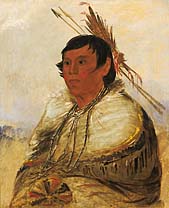
Ni-a-có-mo, Fix with the Foot, a Brave

The Piankashaw Tribe, originally a sub-tribe of the Miami, emerged as a distinct group over time, asserting their independence through land treaties and alliances with other tribes. Notable historical references include La Salle’s accounts in the 1680s and Cadillac’s mention in 1695, indicating their settlements around present-day Indiana and Illinois. Despite population declines due to conflicts and pressures from European settlers, the Piankashaw persisted, eventually joining with the Peoria tribe in Oklahoma after relocating from Kansas in the mid-1800s.

Miami Tribe

The Miami Indians, an Algonquian tribe, were first documented in the 17th century near Green Bay, Wisconsin. They migrated southeast into Indiana and Ohio, forming settlements along the Wabash River and maintaining a significant presence in the region. Known for their hospitality and agricultural skills, they faced pressures from rival tribes, leading to territorial losses by the 18th century. Despite their resilience, their population dwindled following their westward relocation. By the early 20th century, their numbers had significantly declined, reflecting the challenges faced by Native American tribes in the United States.

Menominee Tribe

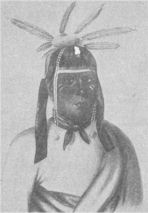
Amiskquew

The Menominee Tribe, an Algonquian group, is identified by their name, which relates to the wild rice they cultivate. Historically, they resided near the Menominee River in present-day Wisconsin and were first documented by Jean Nicolet in 1634. The tribe has maintained a peaceful relationship with European settlers and has been characterized by modesty, honesty, and a shared cultural heritage with the Chippewa. Their subsistence heavily relied on wild rice, though they avoided cultivating it out of respect for the land. Today, their population stands at around 1,600.

Iroquoian Indians

The Iroquoian people comprise several tribes, including the Huron, Iroquois Confederacy, and Cherokee, known for their complex political organization and agricultural lifestyle. They operated independently or through leagues, emphasizing blood relations in governance and warfare. Early encounters with European explorers like Cartier highlighted their extensive territories along the St. Lawrence River. The Iroquoian tribes, particularly the Five Nations, exhibited strong diplomacy and military prowess. Their social structure granted significant roles to women in leadership and land ownership, reflecting a sophisticated societal framework.

Huron Tribe

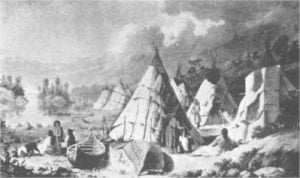
Encampment among the Islands of Lake Huron

The Huron Tribe, also known as the Wendat or Wyandot, is a confederation of four Iroquoian tribes originally inhabiting the Huronia region near Lake Simcoe and Georgian Bay, Ontario. Their social structure was organized through councils, and they engaged in agricultural practices, including the cultivation of corn and tobacco. The Huron faced continuous warfare with the Iroquois, culminating in their near destruction between 1648 and 1650. Many survivors migrated westward, eventually forming new communities, notably as the Wyandots in Michigan and Ohio.

Erie Tribe

The Erie Indians, a sedentary Iroquoian tribe, inhabited a vast territory along Lake Erie in the 17th century. They engaged in agriculture and lived in permanent towns. The Erie faced ongoing conflicts with the Iroquois Confederacy, culminating in a devastating war that began in 1653. Despite their bravery and effective warfare skills, the Erie were ultimately overwhelmed by the Iroquois, leading to their destruction and dispersion by 1656. Some survivors may have integrated into the Iroquois tribes, with a few descendants possibly found among today’s Seneca.

Ontonagon Tribe

The Ontonagon Indians, a Chippewa band, traditionally resided along the Ontonagon River in upper Michigan. The river’s name is derived from an Indian legend where a woman lamented the loss of her dish after it sank while she was fetching water. This story gave rise to the name “Ontonagon,” meaning “my dish.” Various spellings, such as Nantunagunk and misprints like Octonagon, have appeared in historical records, including treaties from the mid-19th century.

Chippewa Tribe

The Chippewa, also known as the Ojibway, are one of the largest Native American tribes in North America, historically inhabiting the shores of Lake Huron and Lake Superior. Traditionally part of an Algonquian group, they expanded their territory westward, often engaged in conflicts, particularly with the Sioux and the Foxes. Historically noted for their resilience and bravery, they maintained cultural practices and formed a loose confederacy with the Ottawa and Potawatomi. Their population has fluctuated over time, with current estimates around 30,000, residing primarily in the U.S. and Canada.

Chippewa Indians Research

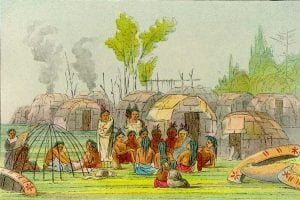
Catlin, George - 334, Chippeway Village and Dog Feast at the Falls of St. Anthony; lodges build with birch-bark: Upper Mississippi

This resource page provides extensive databases, links, and genealogical information to aid research on Chippewa ancestry. The Chippewa, a significant tribe historically located around Lake Huron and Lake Superior, have a rich heritage documented through various records, including censuses, church and court documents, and cemetery listings. The site also features biographies, tribal histories, and recognized tribal leaders, offering insights into the Chippewa’s past and present while assisting individuals in tracing their lineage and understanding their cultural roots.

Marameg Tribe

The Marameg Indians, a division of the Chippewa, were reported by Dablon in 1670 as residing along the north shore of Lake Superior. Initially connected with the Sauteurs at Sault Ste. Marie, they and the Noquet tribe faced disintegration over time, eventually losing their distinct identity. The Marameg are also noted in historical documents as participants in early conferences. Scholars suggest that they may have resided near present-day Bayfield, Wisconsin, and have links to other tribes in the region.

Chippewa Indian Chiefs and Leaders

Biauswah was a prominent Chippewa chief who led his people in several successful campaigns against the Sioux in the late 18th century, facilitating their settlement in the upper Mississippi region. His son, Broken Tooth, succeeded him and played a role in the 1825 Treaty of Prairie du Chien. Other notable figures include George Copway, a missionary and author, and Curly Head, known for his diplomatic relations with white traders. Many chiefs, like Hole-in-the-day and Shingabawassin, advocated for treaties and peace with neighboring tribes and the U.S. government.

Michigan Indian Agencies and Schools

The post details various Indian agencies and schools in Michigan, including Bay Mills School, Mackinac Agency, and Mount Pleasant School. Each entry includes the respective locations, postal and telegraph addresses, and nearby railroad stations for transportation access. Bay Mills is served by Brimley, while Mackinac is connected through Baraga. Mount Pleasant is accessible via its own station. These institutions were integral to the education and administration of Native American populations in the state.

Condition of the Michigan Indians in 1890

By 1890, the Michigan Indians, primarily consisting of the Chippewas, Ottawas, and Pottawatomies, faced significant challenges following decades of conflict and forced displacement. Many were relocated to reservations, with a decline in population due to disease and assimilation pressures. Despite some improvements in education and living conditions, the majority struggled with poverty and a loss of cultural heritage. While a few remained self-supporting through labor and trade, widespread issues of substance abuse and discontent highlighted the adverse effects of their changing circumstances under U.S. governance.

Indian Tribes in Pennsylvania, Ohio, Michigan and Northwest Territories, 1822

In 1822, the status of Indian tribes in Ohio, Pennsylvania, Michigan, and the Northwest Territories is critically assessed. The Delawares in Ohio, influenced by Christian teachings, begin to recognize the need for agriculture over a migratory lifestyle. In Pennsylvania, tribes have been significantly diminished, suffering the consequences of encroachment by settlers. Meanwhile, the Michigan and Northwest Territories, once solely occupied by Native tribes, are being explored and monitored by the U.S. government, reflecting the growing importance of these lands for trade and military strategy.

Michilimackinac

The term “Michilimackinac” refers to various locations in Michigan, primarily Mackinac Island and nearby areas. It is derived from the name of the now-extinct Mishinimaki tribe, who once inhabited this region with a network of villages before being decimated by the Iroquois. By the late 17th century, the Chippewa emerged as the predominant group, establishing Michilimackinac as a significant center. Other groups, including the Hurons and Ottawas, also contributed to the area’s history, particularly through the Jesuit missions established there.