
The Curse of Gold

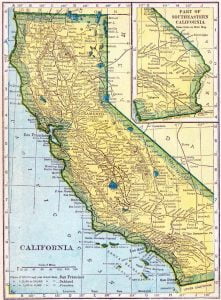
The discovery of gold in California in early 1848 marked a pivotal moment in history, igniting excitement and mass migration to the region. Initially, reports of gold were met with skepticism, but soon confirmed by Samuel Brannan, the revelation led to a frenzy as people abandoned their lives to seek wealth. However, this gold rush brought significant consequences for Indigenous populations, whose lands were invaded and whose lives were disrupted. The dynamics of power shifted dramatically, creating lasting tensions between miners and Native Americans throughout California’s evolving landscape.
Massacres of the Mountains

General Custer’s claim about the vast decline in the Indian population illustrates a widespread misconception. Estimates suggest that at Columbus’ arrival, the population may have been around 500,000, not millions. Dunn’s “Massacres of the Mountains” critically assesses the historical factors contributing to conflicts with Native Americans, such as broken treaties and government policies. He argues for an honest and fair approach to Indian relations, emphasizing that proper treatment and education can lead to greater integration and preservation of Indigenous cultures, rather than forced removals and neglect.

Biographical Sketch of I. L. Scammon

I. L. Scammon, a pioneer born in Maine in 1822, journeyed to California during the Gold Rush and arrived in Chehalis County, Washington Territory, after navigating overland from Shoalwater Bay. He settled along the Chehalis River, where Montesano developed around his homestead. Marrying Lorinda Hopkins in 1844, Scammon significantly contributed to the community, hosting the first sermon and establishing the county’s second school. His children included Harriet, George, and Eva, among others, with one tragically passing at a young age.

California Genealogy at Ancestry

Ancestry stands as the foremost online provider of genealogy data, significantly expanding the scope of genealogy research over the past decade. Their platform includes diverse California genealogy databases, many accessible through a free trial, though some may require a subscription. This resource encompasses a wealth of records, including biographical histories, census data, military records, and various indexes related to births, marriages, and deaths. Estimated to cover a broad spectrum of California’s history and individual stories, these records provide invaluable support for genealogical research in the state.

Cahuilla Burial Customs

Upon the death of a Cahuilla individual, the body is washed and taken to the ceremonial house, where clan members sing throughout the night. Songs vary depending on the gender of the deceased and the circumstances of death. Traditionally, cremation was practiced, but burial became common after European contact. The deceased is placed in a coffin with items intended to aid the spirit. Following the funeral, the deceased’s home and possessions are burned to prevent the spirit from returning, reflecting deep beliefs in the spirit world.

Cahuilla Creation Story

The Desert Cahuilla share a creation story rooted in their collective heritage with nearby coastal tribes. It begins with Mukat and Tamaioit emerging from darkness and creating light, earth, and living beings, alongside a cycle of quarrels that highlight their contrasting natures. They fashioned humans, inciting both joy and sorrow as the need for life and death emerged. The tale culminates in Mukat’s death, leading to yearly fiestas honoring the dead and the introduction of agriculture, shaping the Cahuilla’s understanding of life, death, and community.

Cahuilla Indians Food

The Desert Cahuilla Indians believe food was once human and could speak. Central to their diet is the mesquite tree, providing staple beans that ripen in late summer. These beans are harvested, dried, and ground into a meal, which is then soaked and consumed. The Cahuilla also historically relied on various natural sources for sustenance. Elders claim the decline in health among their people is due to the consumption of non-traditional foods, which has diminished the power of their medicine men.

Cahuilla Girls Adolescence

The Cahuilla observed puberty ceremonies, known as Hemelonewin or Hemelushinum, to mark a girl’s first menstruation. Initiated by the girl’s father, these rituals involved her reclining in a heated pit for three nights, surrounded by communal singing and dancing. Food restrictions were imposed, and she was allowed only herb tea. Following the second menstruation, her chin was tattooed before her emergence. These rites reflected deep cultural teachings about menstruation, emphasizing the importance of adhering to traditional practices, though younger generations increasingly neglect them.

The Growth Of Quartz Mining Discoveries

In 1863, quartz mining emerged as a significant industry in Idaho, with numerous promising discoveries, including the Ida Elmore and others in the South Boise area. By autumn, towns like Fredericksburg and Boise City were founded, driven by the influx of hopeful prospectors. Rich silver and gold veins prompted further exploration, leading to colorful mining communities and the establishment of mills. The discovery of the Poorman mine in 1865 marked a notable moment in Idaho’s mining history, showcasing the rich mineral potential of the region.

Idaho, the Gem of the Mountains, Origin of the Name

Idaho, known as the Gem of the Mountains, has a rich history shaped by the struggles and triumphs of its early inhabitants. Originally part of Oregon, Idaho’s development involved overcoming natural challenges and conflicts with Indigenous tribes. The term “Idaho” has various interpretations, often seen as “the dazzling white snow crest,” reflecting its majestic landscape. The state’s name emerged in the 1860s amid the gold rush, symbolizing a combination of cultural significance and the aspirations of its settlers, marking Idaho’s transformation from wilderness to a prosperous territory.

The Payette Valley, Its Towns

The Payette Valley, located in southwestern Idaho, is characterized by its varied geography, including mountains and fertile lands along the Snake River. The region’s development accelerated with the advent of the Oregon Short Line Railway, transforming it from a desert to a vibrant agricultural hub. The valley excels in fruit cultivation, particularly apples and prunes, thanks to its favorable climate and irrigation systems. Towns like Payette, New Plymouth, Falks Store, and Emmett have emerged, each contributing to the valley’s economic growth through agriculture, timber, and livestock industries.

Biography of John P. Rounsevel

John P. Rounsevel, born January 2, 1815, in Unity, N.H., was a notable wool buyer in Claremont. The youngest son of Royal and Betsey Rounsevel, he excelled in education but faced health challenges that limited his academic pursuits. Rounsevel’s diverse career included teaching, trading, and successful wool-buying during the Civil War. He served as Vice-President of the Sullivan Savings Bank for decades and participated in local governance. He married Sarah Jane Bailey and had one son, Charles W. Rounsevel passed away on May 1, 1897.

Biography of Rev. John Vannevar

Rev. John Vannevar, born on June 23, 1857, in South Malden, Massachusetts, was the youngest of three children. After graduating from Malden High School, he earned a Bachelor of Divinity from Tufts College in 1880 and was ordained in the Universalist church. His early ministry included the Universalist society in Amesbury and the First Universalist Society in Canton. In 1892, he shifted to farming before returning to the pulpit at the White Memorial Church in Concord, where he served happily until 1896.

Biographical Sketch of Dr. George Borden Yount

Dr. George Borden Yount, born on September 28, 1882, in Redwood City, is a prominent local dentist and community figure. He completed his education at local schools and graduated from the dental department of the College of Physicians and Surgeons in San Francisco. Since establishing his practice in Redwood City, Dr. Yount has also engaged in various business ventures and civic activities, including involvement with the Redwood Highlands Improvement Club. He is married with two children and holds affiliations with several fraternal organizations.

Biographical Sketch of Frank Clair Wyckoff

Frank Clair Wyckoff, born in Sierra Valley on June 1, 1872, has quickly gained respect in Burlingame since his arrival a year ago. After nearly 25 years with the California Casket Company, where he became office manager, he established his own modern undertaking and embalming business. In addition, he serves as an accountant for a large local firm. Mr. Wyckoff is active in community organizations, including the Elks, Masons, and the Burlingame Commercial Club.

Biographical Sketch of E. I. Woodman

E. I. Woodman is a prominent figure in South San Francisco, serving as the editor and manager of The Enterprise and as secretary of the South San Francisco Chamber of Commerce. With over forty years in journalism, he moved to South San Francisco from Sacramento in June 1907. His contributions have significantly supported the growth of the city, reflecting his dual role as a newspaper professional and civic advocate. Additionally, he is a member of the San Mateo Press Association.

Biographical Sketch of Eric Wold

Eric Wold has served as city engineer of Burlingame for four years and currently applies his expertise to San Bruno. With a background in engineering that includes government service and railroad projects, he is enhancing San Bruno’s infrastructure with plans for bridges, sidewalks, and a water system. Born in Norway in 1878, Wold moved to the U.S. as a child, later graduating from the University of Minnesota in 1902. He has been a resident of California for the last decade and is actively involved in local organizations.

Biographical Sketch of Josiah C. Williamson

Josiah C. Williamson, born on February 18, 1851, in Marshfield, Massachusetts, moved to Pescadero, California, in 1869. He initially worked in the dairy business before becoming a store clerk, eventually opening the largest general merchandise store in Pescadero in 1885. He married Harriet Hornsinger on December 14, 1879, and they had three children: Frank, Gladys, and Elmira. Williamson served as postmaster for eight years and was an active member of the Odd Fellows.