The Conner Family of Prairie du Rocher Illinois
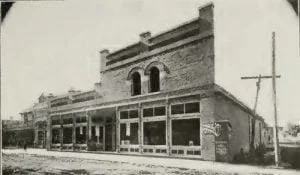
Conner's General Merchandise Store, Prairie du Rocher

William S. Conner, born in 1815 in Randolph County, Illinois, is a descendant of the influential Conner family, originally of Irish descent. His father, Henry Conner, a prominent figure in local politics, served as sheriff for seven years and was active in public affairs. After experimenting with business in St. Louis and mining in Wisconsin, William returned to Randolph County in 1858, settling near his birthplace. He left a legacy through his six children, three of whom are still living.
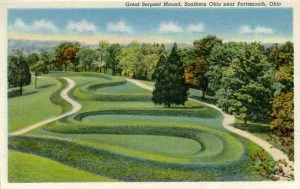
Indian Mounds throughout North America

Great Serpent Mound Postcard

The region surrounding Lake Michigan was historically inhabited by skilled mound builders, including the Wyandots and Six Nations, who buried their deceased with treasures beneath earthen mounds. Excavations across North America, from Tennessee to Georgia, have uncovered European artifacts, suggesting cultural exchanges with early explorers. Similarities in mound structures and burial practices link the mound builders to contemporary Native American tribes. Mounds served varied purposes, including memorials and fortifications, reflecting the complex social practices of these ancient communities throughout the continent.

Chief Pontiac of the Ottawa’s

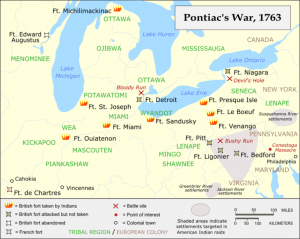
Map of Pontiacs War

Following the 1763 peace, English troops occupied former French forts, prompting widespread Indian apprehension of encroachment. Pontiac, the Ottawa chief, emerged as a pivotal leader advocating for resistance. He organized a council of tribes to unite against the English, inspired by a prophetic vision asserting divine support for their fight. Pontiac orchestrated a coordinated attack on English forts, aiming for liberation. Despite initial efforts, including a siege of Detroit, betrayal foiled his plans. Eventually, Pontiac was assassinated, symbolizing the decline of Indian resistance.

Early Exploration and Native Americans

Ferdinand de Soto’s interactions with Native American tribes, specifically the Choctaws and Chickasaws, exemplify early European attempts to impose their ideologies of civilization and Christianity upon Indigenous populations. This approach set a precedent for further exploitation and oppression of Native Americans, as European settlers sought to acquire land and resources. Throughout history, tribes like the Chickasaws, known for their valor, remained steadfast allies rather than adversaries. This enduring alliance contrasts sharply with the overarching narrative of dispossession and extermination faced by Indigenous nations in North America.

Black Hawk’s War – Indian Wars

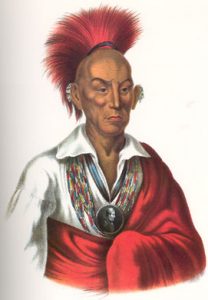
Black Hawk

The events of Black Hawk’s War brought the esteemed Sauk leader, Black Hawk, into the national spotlight. Born around 1767, he became a renowned warrior, leading successful campaigns against rival tribes. Tensions escalated after a controversial treaty in 1804 led to increased violence against the Sacs and Foxes. In 1832, after a series of conflicts following the death of several Indians, Black Hawk led his people in resistance, but ultimately faced defeat. Following his surrender, he was taken to Washington, gaining respect and recognition before his death in 1838.

List of the Drummond Island Voyageurs

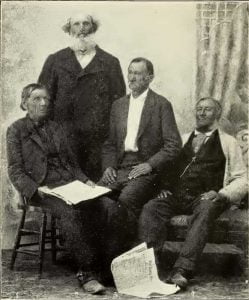
A Group of Voyageurs

In 1828, the British garrison’s transfer from Drummond Island to Penetanguishene led to the documentation of various voyageurs residing on the island. Many of these individuals were of Métis descent, and the following list includes significant personal details that reflect their ethnic backgrounds and family lineages. The entries provide insight into their contributions, settlement patterns, and descendants, showcasing the rich cultural tapestry of the region at the time of the transfer.

Narrative of Angelique Langlade

Angelique Langlade, residing in Penetanguishene, reflects on her life as a Chippawa half-breed and the last survivor of her notable family. With limited English, she recounts her origins from Drummond Island, her parents’ heritage, and the family’s migration. Her grandfather, Captain Charles Langlade, was a significant figure, serving in military engagements and settling in Green Bay. Angelique shares memories of family members and their fates, emphasizing the family’s legacy and ties to the land. The Langlade mansion and heirlooms remain valued possessions.

1883 Business Directory of Prairie du Chien, Wisconsin

The 1883 Business Directory of Prairie du Chien, Wisconsin, lists a diverse array of businesses serving the community. Notable entries include general stores, hardware and grain dealers, hotels, and various professional services such as physicians and attorneys. Key establishments feature Brower’s general store, Tremont House, and the Central House. Additionally, there are several food-related businesses, including meat markets, breweries, and restaurants. This directory highlights the commercial landscape and services available to residents during this period.

Algonquian Indian Bands, Gens and Clans

Many Algonquian tribes consist of sub-tribes, bands, gens, clans, and phratry, though information on many of these smaller groups is scarce or they may no longer exist. The Atchaterakangouen, a band active in the interior of Wisconsin in 1672, is noted for its proximity to the Mascouten and Kickapoo tribes, illustrating the interconnectedness of these Algonquian peoples.

Descendants of Robert and Ruth Huestis

Robert Huestis, possibly from Dutchess County, New York, married Ruth and had one child, David. Following the Revolutionary War, David settled in Herkimer County with his wife, Elizabeth Wooley, raising seven children, including Robert and Michael. Michael moved to Rodman, New York, where he farmed and served as Justice of the Peace until his death in 1849. His descendants included notable figures, such as Anna and Annis, both triplets born in 1809. The family legacy continued through many generations, impacting their communities.

Origin and History of the Oneidas

Oneida Stone

The Oneida, part of the Iroquois nation, trace their origins to Onondaga, where they reportedly began as two individuals who settled by the Oneida River. They later fortified their position near Oneida Lake, cultivating their tribe. The Oneida stone, a significant rock in their history, became a symbol of their identity, representing the tribe’s connection to the land and its traditional council fire. Their history includes pivotal participation in the Revolutionary War, agriculture, and eventual migration to Wisconsin, where they continue to thrive today.

Wisconsin Genealogy at Ancestry

Ancestry is a key resource for those researching Wisconsin genealogy, providing access to a vast array of records. While some databases are free, many require a subscription. Users can explore vital records, historical texts, military participation, and county-specific information, as well as try a free 14-day trial. The platform includes databases such as census records, marriage licenses, and local newspapers, offering a comprehensive view of Wisconsin’s genealogical history for enthusiasts and researchers alike.

Treaty of October 18, 1848

The treaty of October 18, 1848, between the United States and the Menomonee tribe established a framework for the cession of Menomonee lands in Wisconsin. In exchange, the U.S. pledged to provide a sizable tract of land (approximately 600,000 acres) and financial compensation totaling $350,000 for various purposes, including infrastructure and education. It also allowed the Menomonee to remain on their ceded lands for two years and addressed prior grievances regarding unpaid goods. The treaty was to be binding upon ratification by the President and Senate.

Biography of Captain Eleazar L. Sarsons

Captain Eleazar L. Sarsons, born on August 9, 1836, in Lyme, New Hampshire, was a notable Civil War veteran. His father emigrated from France, and Sarsons himself joined the First Regiment of New Hampshire Volunteer Infantry in 1861, later serving in the Fourth New Hampshire Regiment. He faced numerous battles and was imprisoned for seven months, suffering severe illness before being released. After the war, he became a successful farmer in Acworth, marrying twice and having four children. Sarsons was active in local politics and fraternal organizations.

Treaty of July 29, 1829

On July 29, 1829, a treaty was established at Prairie du Chien between the United States and the Chippewa, Ottawa, and Potawatamie nations. The tribes ceded significant land, defined by specific geographic boundaries, in return for annual payments of $16,000, goods, and supplies. Certain lands were reserved for tribal chiefs and their descendants. Additionally, the U.S. committed to settling existing debts owed to individuals by the tribes. The agreement also secured hunting rights for the tribes on the ceded lands.

Biography of Stephen Alden Tracy

Stephen Alden Tracy was born on October 31, 1833, in Cornish, the descendant of one of America’s oldest families, tracing back to Lieutenant Thomas Tracy, who settled in Connecticut in 1636. Stephen’s father, Stephen Tracy, was a cabinet-maker and farmer, and the family played a significant role in local civic life. An educated man, Stephen Alden worked in Wisconsin’s lumber industry and later returned to manage the family farm. Active in politics and community affairs, he served as a legislator and held various local offices. He had two marriages and seven children.

Treaty of September 3, 1839

On September 3, 1839, a treaty was established at Stockbridge, Wisconsin, between the United States and the Stockbridge and Munsee tribes. The tribes ceded the eastern half of a 46,080-acre tract near Lake Winnebago for compensation. The arrangement allowed for some tribe members to emigrate west, with financial provisions made for both emigrants and those remaining. Additionally, funds were set aside for education and other purposes for the tribes, with stipulations for managing unliquidated claims between members.