
Act of June 21, 1906

The Act of June 21, 1906, appropriates funds for the Indian Department’s current expenses and treaty obligations, primarily for the fiscal year ending June 30, 1907. It allocates $25,000 to suppress liquor traffic among Native Americans, outlines salaries and expenses for Indian agents, and reserves land for schools and churches for Choctaw and Chickasaw freedmen. It also authorizes investigations of fraudulent land leases and provides $150,000 to enhance tribal schools. Furthermore, it addresses enrollment adjustments for members of the Five Civilized Tribes.
Act of April 28, 1904

The Act of April 28, 1904, authorizes the Secretary of the Interior to segregate and reserve specific coal and asphalt lands in the Choctaw Nation from allotments. It allows for the cancellation of prior applications for these lands and incorporates previous provisions from the 1902 act related to the Choctaw and Chickasaw tribes. Additionally, it permits the Choctaw, Oklahoma and Gulf Railroad Company to sublet its leases, provided that new lessees secure bonds for performance.

Act of April 26, 1906

The Act of April 26, 1906, establishes regulations for the enrollment and citizenship of the Five Civilized Tribes in the Indian Territory, notably the Choctaw, Chickasaw, Cherokee, Creek, and Seminole. It restricts enrollment to those who applied before December 1, 1905, while providing provisions for minors and freedmen. The Secretary of the Interior gains authority over allotments, land sales, and tribal education. It also mandates that no land can be sold or alienated by full-blood Indians for twenty-five years, preserving tribal lands and resources.

Act of April 21, 1904

The Act of April 21, 1904, appropriates funds for the Indian Department to cover current expenses and fulfill treaty obligations with various tribes for the fiscal year ending June 30, 1905. It includes provisions for the Choctaw and Chickasaw citizenship court, salaries for commissioners, and funding for land allotments. The act also authorizes the sale of surplus Creek Nation lands and eases restrictions on land transactions for certain allottees. Additionally, it addresses legal claims involving the Cherokee Nation and related parties.

Identified Mississippi Choctaw, Act of July 1, 1902

The document lists individuals from the Identification Roll of the Mississippi Choctaws, prepared by the Commission to the Five Civilized Tribes and approved in 1898. It highlights those who were not included in the final rolls eligible for allotments in the Choctaw Nation under the Act of July 1, 1902. The list includes numerous surnames, providing a detailed account of individuals who identified as Mississippi Choctaws but did not finalize their enrollment. The information is attributed to contributors Jackie Matte and Dusty.

Building the Temple

Building the Temple: An Exercise for Children’s Day, Illustrated by a Temple and an Arch

Bible Study and Memory Work

The development of the Bible-memory work, that, during the later years of this period, moved forward very rapidly, was one of small beginnings and slow progress at first.

John R. White Application Packet

John R. White, a white man married to a Choctaw woman, applied for enrollment with the Commission, following standard procedures for intermarried applicants. His application packet includes personal correspondence, examination details, character references, marriage documentation, and enrollment requests for his children. The Commission provided letters outlining their decision to enroll him based on his marriage and residence within the Choctaw Nation. The packet highlights the formalities involved in confirming his status and that of his children as citizens.

Cooper Rolls

The Cooper Rolls are a Census Roll of Choctaw Families residing East of the Mississippi River and in the States of Mississippi, Louisiana and Alabama made by Douglas H. Cooper, US Agent for Choctaws, in conformity with Order of Commissioner of Indian Affairs dated May the 23rd, 1855.

Mississippi Choctaw Claims 1933

The 1933 Mississippi Choctaw Claimants document, published in November 1935 in Biloxi/Gulfport, Mississippi, serves as a vital genealogy resource for those exploring Native American ancestry in Mississippi. It lists numerous surnames, including Allen, Anderson, Bell, and many others, alongside first names, creating a comprehensive record for researchers. This genealogical tool is crucial for individuals seeking to establish potential connections to the Mississippi Choctaw heritage.

Life Among the Choctaw Indians

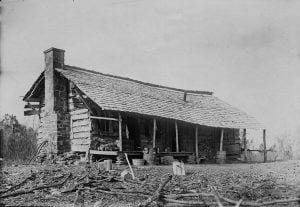
A Building in or about Fort Coffee

The author reflects on his rare leisure moments as an itinerant minister in California during a winter storm in 1858. With little reading material on hand, he revisits his early ministry experiences among the Choctaw and other Indian tribes. He hopes his writings will contribute to a better understanding of their history, culture, and religious advancement. The text highlights various aspects of Choctaw life, including governance, education, social habits, and notable events within the Indian community, aiming to preserve their legacy for future historians.

Rights of Mississippi Choctaws in the Choctaw Nation

On April 24, 1902, the full-blood Mississippi Choctaws submitted a memorial to Congress asserting their rights to citizenship within the Choctaw Nation, as guaranteed by treaties of 1830 and 1866. They highlighted the challenges posed by residency requirements and the need for a clear, equitable process for their enrollment. The memorial urged Congress to eliminate onerous conditions that would unjustly inhibit their immigration, emphasizing that many Mississippi Choctaws were already identified as eligible but faced uncertainty regarding their rights and benefits within the nation.

Pushmataha – Tribal Chief (Push-ma-ta-ha)

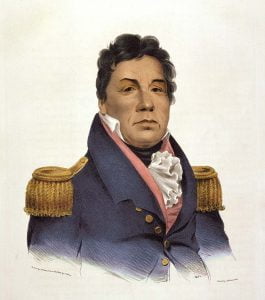
Push-ma-ta-ha. Chactan (Choctaw) Warrior, from History of the Indian Tribes of North America

Pushmataha, born around 1764, was a prominent Choctaw warrior known for his military prowess and leadership. Rising to prominence not from lineage but through personal talents, he engaged in numerous battles against rival tribes, particularly the Creeks, earning the title “General.” Despite his fierce reputation, he showed kindness and hospitality in private life. In 1824, he visited Washington to strengthen ties with the U.S. government but fell ill and died shortly after. His death was marked by grand military honors, signifying his esteemed status among both Indian and American societies.

Treaty of Dancing Rabbit Creek

The Treaty of Dancing Rabbit Creek, signed on September 15, 1830, by U.S. representatives John H. Eaton and John Coffee and Choctaw leaders, established terms of land cession and citizenship for Choctaw families. Article 14 allowed Choctaw heads of families to claim land upon expressing intent to remain in the U.S. as citizens, with specific provisions for their children. This treaty significantly impacted Choctaw land rights and identity, shaping their status within the United States and influencing future claims and research on their heritage.

Treaty of Dancing Rabbit Creek, Article 14 History

This section of the website is dedicated to aiding those searching for their Mississippi Choctaw ancestors. Despite challenges related to the Article 14 Claimants and tribal affiliation, contributions from knowledgeable individuals may help establish Native American heritage. The site offers resources, such as articles, books, and research contacts, to assist in genealogical research. Key historical documents related to the Mississippi Choctaw, including various rolls and claims, are highlighted to facilitate better understanding and support for ancestry verification.

Mississippi Choctaw Claims

On January 21, 1914, delegates of the Mississippi, Alabama, and Louisiana Choctaw Council issued a statement regarding their claims for rights under the 1830 Treaty. Following the Dawes Commission’s identification process, many Mississippi Choctaws remain unrecognized, with significant portions denied rights due to administrative failures. They highlighted the impoverished condition of these individuals and their urgent need for relief. The document also addresses various proposed legislations before Congress aimed at resolving their claims and the lack of effective legal representation for these individuals.