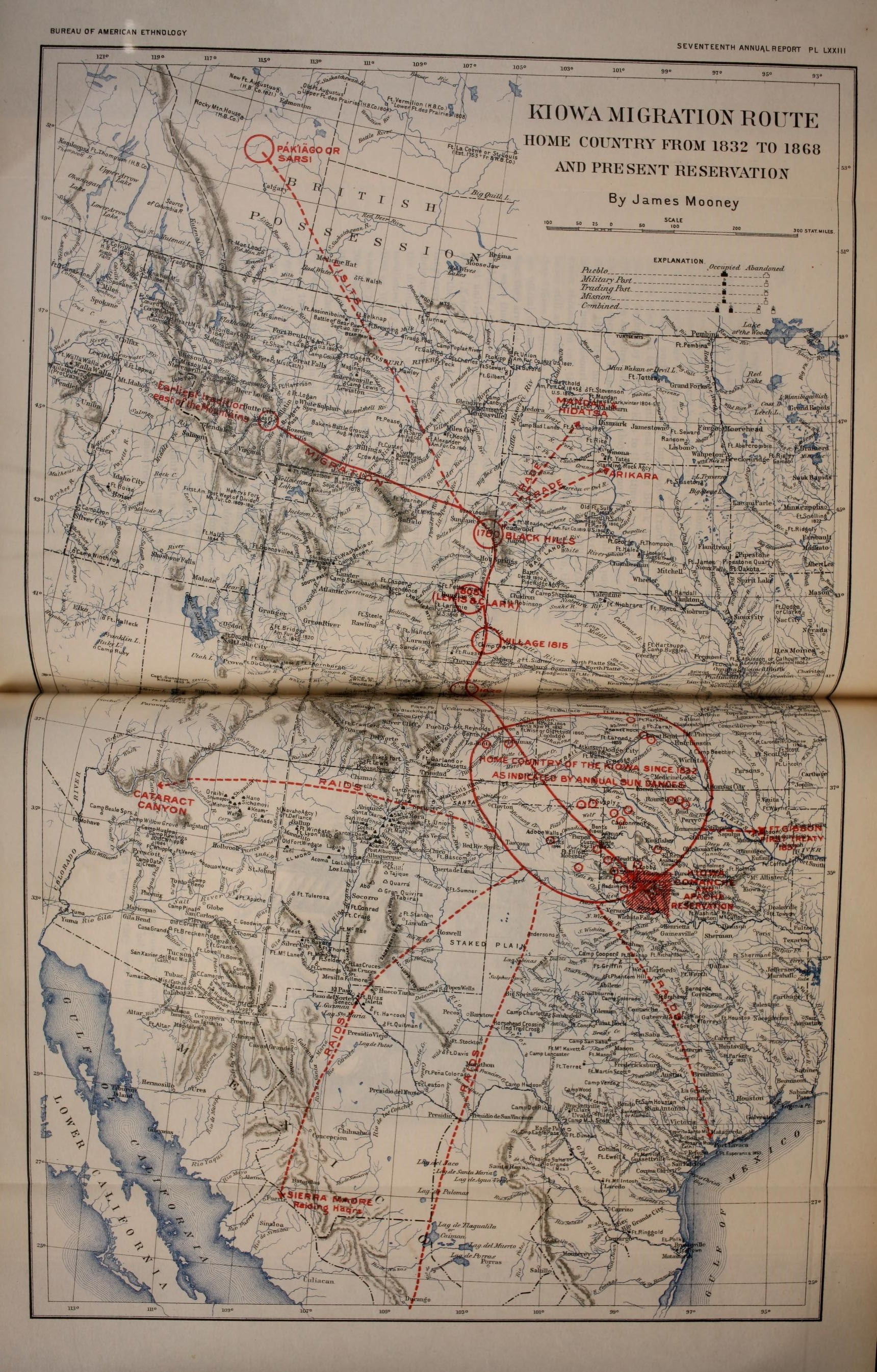
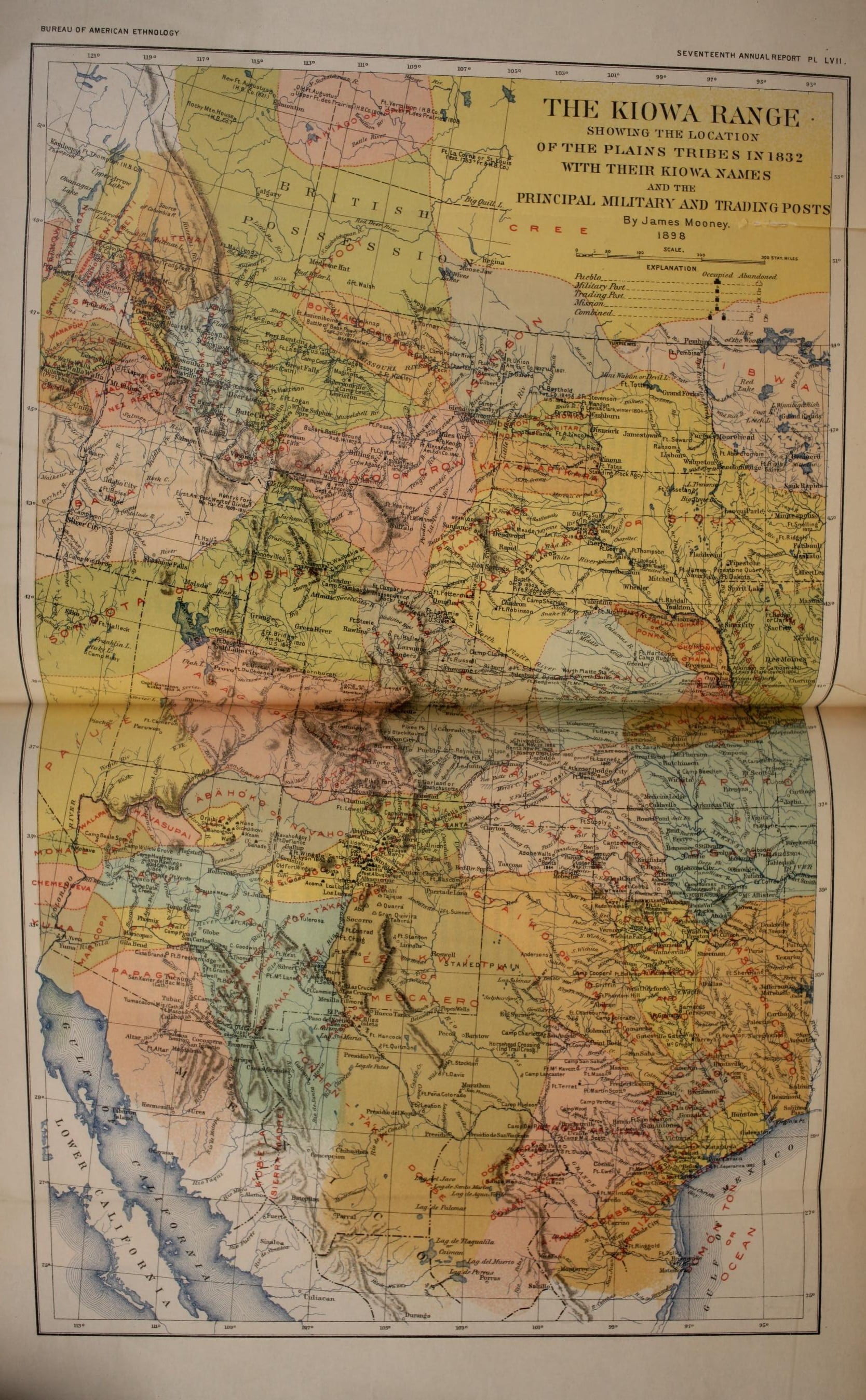
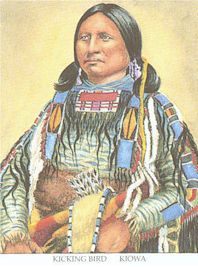
Kiowa Indians (from Gǎ’-i-gwŭ, or Kǎ’-i-gwŭ, ‘principal people,’ their own name). A tribe at one time residing about. the upper Yellowstone and Missouri, but better known as centering about the upper Arkansas and Canadian in Colorado and Oklahoma, and constituting, so far as present knowledge goes, a distinct linguistic stock. They are noticed in Spanish records as early, at least, as 1732. Their oldest tradition, which agrees with the concurrent testimony of the Shoshoni and Arapaho, locates them about the junction of Jefferson, Madison, and Gallatin forks, at the extreme head of Missouri river, in the neighborhood of the present Virginia City, Montana. They afterward moved down from the mountains and formed an alliance with the Crows, with whom they have since continued on friendly terms. From here they drifted southward along the base of the mountains, driven by the Cheyenne and Arapaho, with whom they finally made peace about 1840, after which they commonly acted in concert with the latter tribes. The Sioux claim to have driven them out of the Black hills, and in 1805 they were reported by Lewis and Clark as living on the North Platte.
- Montana Indian Tribes
- Nebraska Indian Tribes
- New Mexico Indian Tribes
- Oklahoma Indian Tribes
- South Dakota Indian Tribes
- Wyoming Indian Tribes
According to the Kiowa account, when they first, reached Arkansas river they found their passage opposed by the Comanche, who claimed all the country to the south. A war followed, but peace was finally concluded, when the Kiowa crossed over to the south side of the Arkansas and formed a confederation with the Comanche, which continues to the present day.
In connection with the Comanche they carried on a constant war upon the frontier settlements of Mexico and Texas, extending their incursions as far south, at least, as Durango. Among all the prairie tribes they were noted as the most predatory and blood thirsty, and have probably killed more white men in proportion to their numbers than any of the others.
Kiowa Treaties
They made their first treaty with the Government in 1837, and were put on their present reservation jointly with the Comanche and Kiowa Apache in 1868. Their last out break was in 1874-75 in connection with the Comanche, Kiowa Apache, and Cheyenne. While probably never very numerous, they have been greatly reduced by war and disease. Their last terrible blow carne in the spring of 1892, when measles and fever destroyed more than 300 of the three confederated tribes.
- Treaty With The Kiowa, Etc., May 26, 1837
- Treaty With The Comanche, Kiowa, and Apache, July 27, 1853
- Treaty With The Comanche And Kiowa, October 18, 1865
- Treaty with the Kiowa and Comanche, October 21, 1867
- Treaty With The Kiowa, Comanche, And Apache, October 21, 1867
Kiowa Tribal Divisions
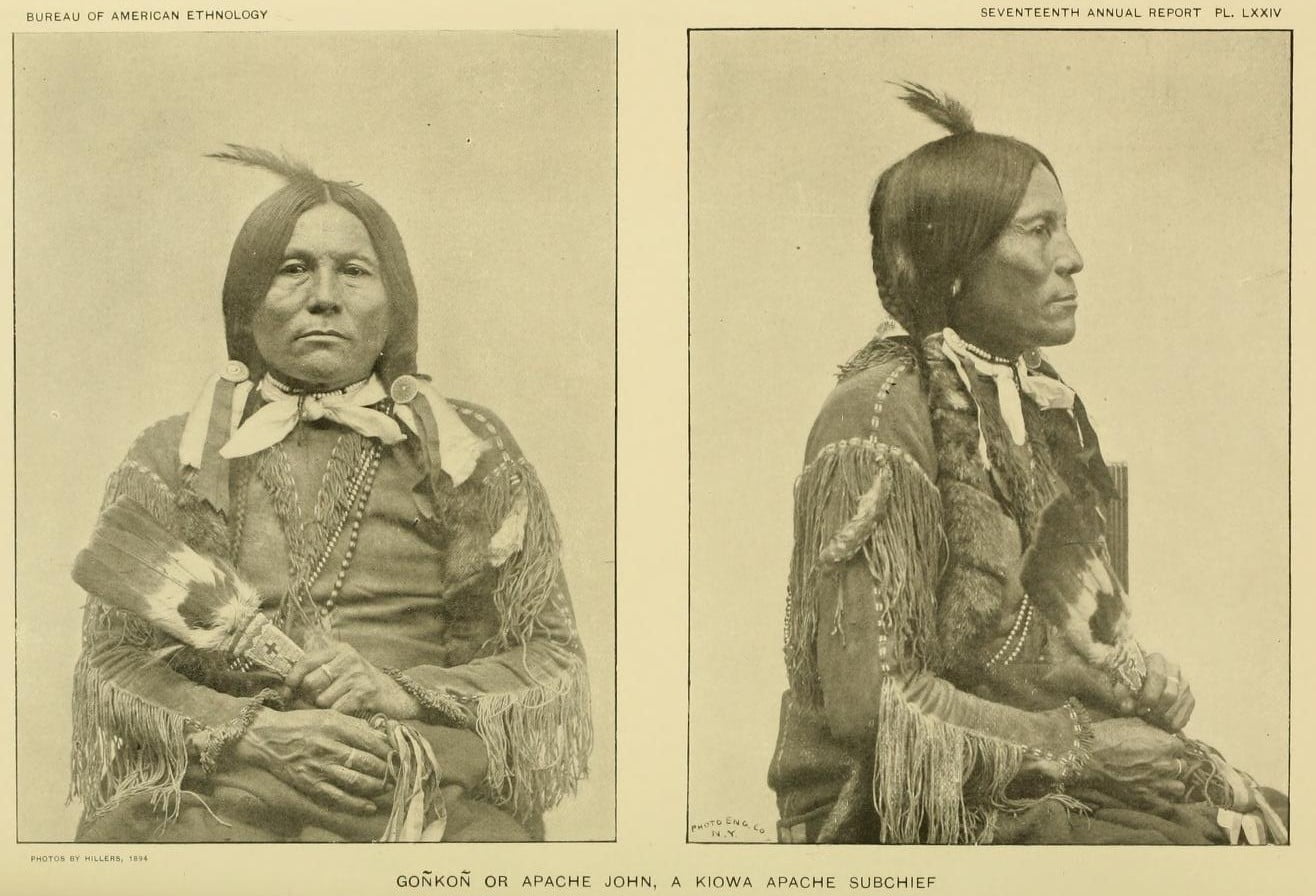
The Kiowa did not have the gentile system, and there was no restriction as to intermarriage among the divisions, of which they have six, including the Kiowa Apache associated with their, who form a component part of the Kiowa camp circle. A seventh division, the Kuato is now extinct.
The tribal divisions in the order of the camp circle, from the entrance at the east southward, are:
- Kaigwu
- Kata
- Kingeo
- Kogui
- Kongtalyui
- Semat (i. e., Apache)
See Further: Societies of the Kiowa, American Museum of Natural History, Vol. XI, Part XI
Kiowa Language
Their language is full of nasal and choking sounds and is not well adapted to rhythmic composition.
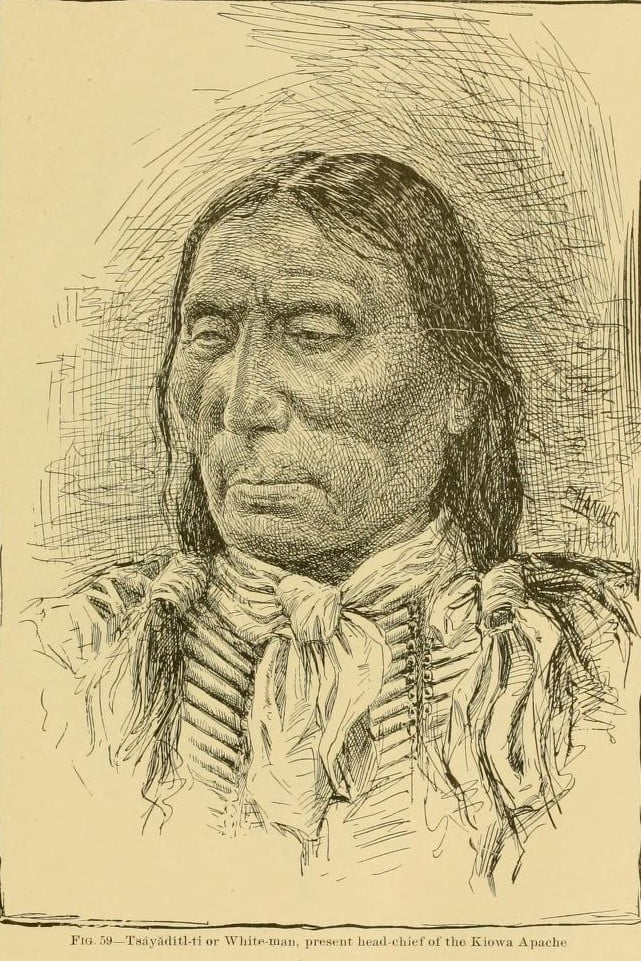
Their chief in 1905 was Gui-pägo, ‘Lone Wolf,’ but his title was disputed by Apiatan. They occupied the same reservation with the Comanche and Kiowa Apache, between Washita and Red rivers., in southwest Oklahoma; but in 1901 their lands were allotted in severalty and the remainder opened to settlement. Pop. 1,165 in 1905.
For Further Study:
- Kiowa Indians – Swanton
- Manuscripts about the Kiowa
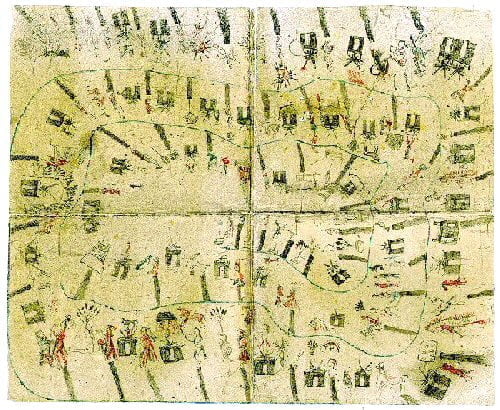
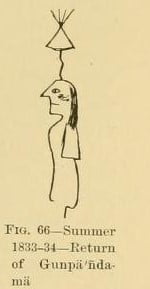
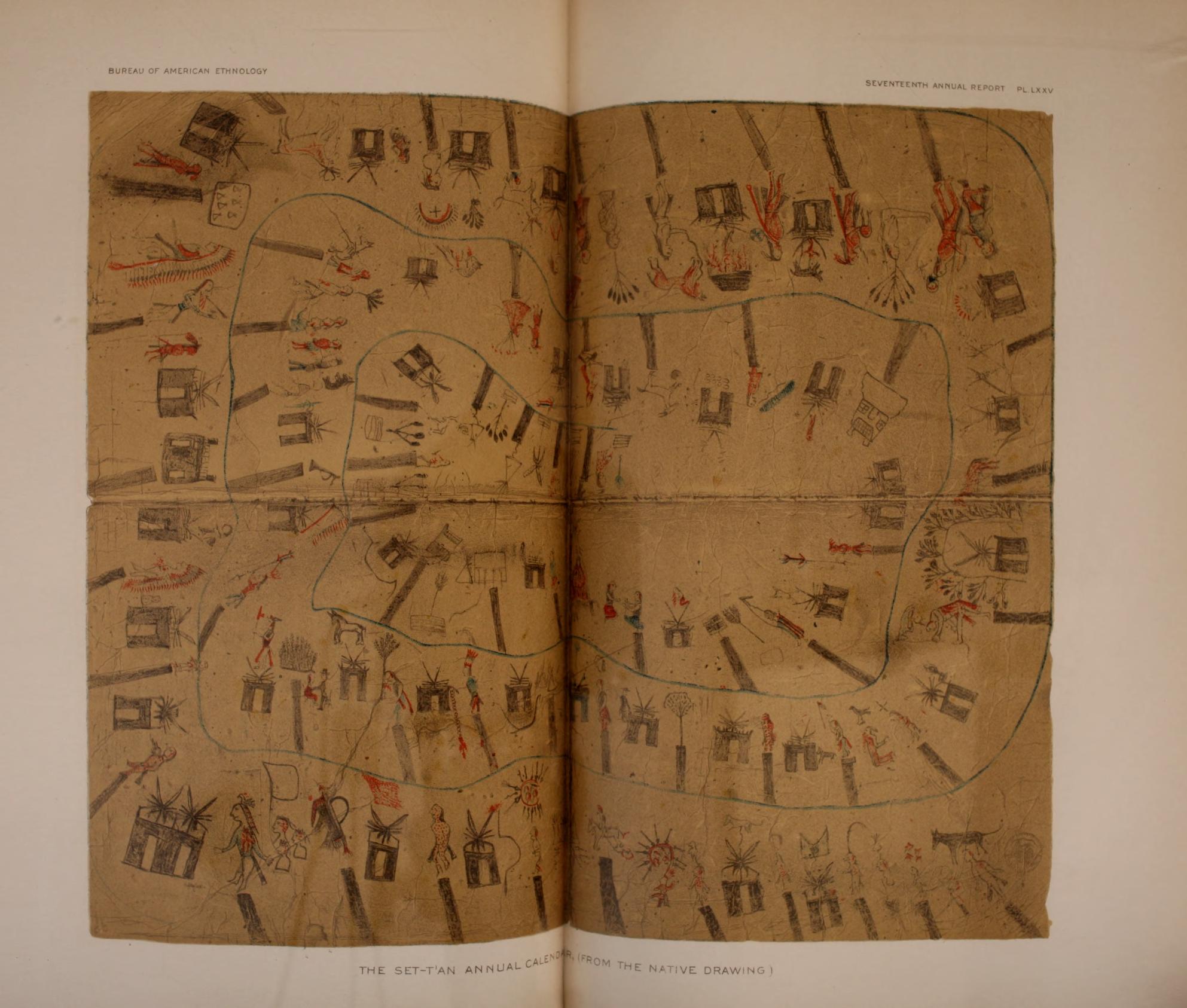
- Calendar History of the Kiowa, Mooney, 17th Rep. B. A. E., pt. 1, 1898.
- Ghost-dance Religion, Mooney, 14th Rep. B. A. E., pt. 1, 1896.
- Kiowa; the history of a blanket Indian mission, by Isabel Crawford
- Our work among the Kiowa Indians, by Rairden, N. B; American Baptist Home Mission Society.
- Societies of the Kiowa, American Museum of Natural History, Vol. XI, Part XI
- Articles
- A Kiowa Mescal Rattle
- Three Kiowa Text
- Notes on the Kado, or Sun Dance of the Kiowa, by Hugh Lenox Scott, American Anthropologist, Volume 13.
- Kiowa Indians – Kansas Genealogy
- Kiowa Indian Research
- Free US Indian Census Schedules 1885-1940
- Kiowa Agency
- 1895-1899 Kiowa Agency Census
- 1900-1904 Kiowa Agency Census
- 1905-1906 Kiowa Agency Census
- 1909-1913 Kiowa Agency Census
- 1914-1917 Kiowa Agency Census
- 1918-1921 Kiowa Agency Census
- 1922-1925 Kiowa Agency Census
- 1926-1929 Kiowa Agency Census
- 1930 Kiowa Agency Census
- 1931 Kiowa Agency Census
- 1932 Kiowa Agency Census
- 1933 Kiowa Agency Census
- 1934-1936 Kiowa Agency Census
- 1937-1939 Kiowa Agency Census
- Kiowa Agency
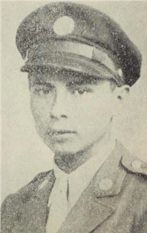
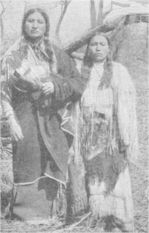
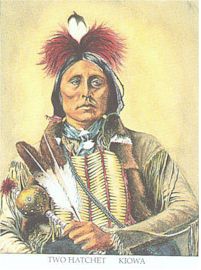
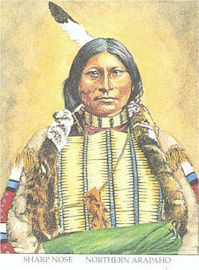
Kiowa Gallery of Photos