
Condition of the Idaho Indians in 1890
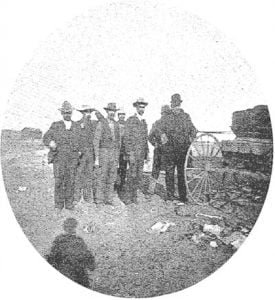
In 1890, the Indian population in Idaho was summarized across various reservations, reflecting a complex mix of tribes and their current living conditions. The Bannocks and Shoshones, primarily at Fort Hall, were intermarried and faced challenges in adapting to farming and ranching. The Nez Percé, largely Presbyterian, cultivated their lands but contended with white cattle intrusions. The Coeur d’Alene tribes were more assimilated, living in frame houses and attending church. Each group exhibited varying degrees of adaptation and socio-economic stability amidst ongoing struggles with cultural preservation and external pressures.