
Castaways, Deserters, Refugees and Pirates
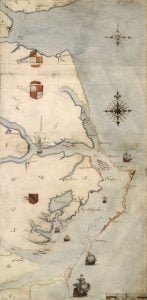
In the early 1500s, North Africans sought permanent residency in the Southeastern United States, long before Spain established a colony. While the fate of these individuals remains unclear, evidence suggests some may have survived and integrated with local Indigenous populations. Throughout the 1500s and early 1600s, various groups, including Sephardic Jews fleeing the Inquisition and European Protestants, arrived through shipwrecks or as deserters. These newcomers likely contributed to the genetic and cultural landscape of the region, often settling in more hospitable areas away from colonial powers.