
Papago Tribe

The Papago Tribe, also known as the O’odham or ‘bean people,’ is a Piman group related to the Pima, originally inhabiting areas in southern Arizona and northern Sonora, Mexico. Primarily agricultural, they cultivated crops like maize and beans using irrigation, while also relying on desert plants such as mesquite and saguaro for food. Known for their frugality and peaceable nature, the Papago faced challenges from Apache raids. Their traditional dwellings were dome-shaped huts, and by 1906, their population was recorded at nearly 5,000 in the United States.
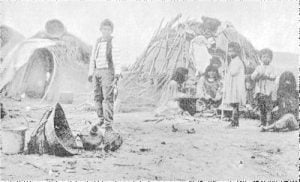
Pima Tribe

Pima Huts showing Home Life and Utensils

The Pima Indians, residing in the Gila and Salt River valleys of Arizona, belong to the Piman family and are divided into Pimas Altos and Pimas Bajos. Their origin story includes a deluge that left a chief named Cího as the lone survivor. The Pima are known for their extensive irrigation practices and peaceful nature, although they faced aggression from surrounding tribes. Their culture blends traditional and influenced beliefs, with unique customs surrounding marriage and agriculture, as well as a complex governance structure led by elected chiefs.

Sobaipuri Tribe

The Sobaipuri Indians were a Piman tribe residing in southern Arizona, especially along the San Pedro and Santa Cruz rivers. Spanish missions were established among them in the late 17th and early 18th centuries. They faced pressures from the Apache, leading to their eventual absorption by the Papago tribe. Former Sobaipuri settlements included Guevavi and San Xavier del Bac. Their extinction as a distinct tribe was largely due to Apache incursions, forcing them to merge into neighboring communities.

Pima Agency

Two Maricopa Men (Sitting) And Mojave Man In Full Aboriginal Dress

Special Agent Stephen Whited’s reports from 1890 detail the conditions and demographics of Indian tribes, specifically the Pima, Maricopa, and Papago, across various reservations in Arizona. The Gila River, Salt River, and Papago reservations are mentioned, with a total Indian population of 9,942, highlighting agricultural practices, housing, and cultural customs. The Pimas have shown significant progress in farming and adopting new methods, while issues like disease and social vices persist. Education efforts are underway, with a newly built school accommodating an increasing number of students.

Pima Indians

The Pima Indians, also known as Â-âtam, reside in the Gila and Salt River valleys. Their name has various interpretations, often linked to their dwelling styles. Historically, the Pima claim descent from the Salt River Valley and associate large adobe ruins with their ancestors. They faced significant disruptions from foreign incursions, leading to a change in lifestyle. The tribe interacted with early Spanish explorers, and after the Gadsden Purchase in 1853, their circumstances changed under U.S. jurisdiction. Pima County in Arizona retains their name and heritage.

Pima Indian Bands, Gens and Clans

The post provides brief insights into various social divisions and sub-groups within the Pima tribe, including the Apap and Apuki, both part of the Stoamohimal phratral group. It also mentions the Ateacari and Colotlan branches associated with the Cora division in Mexico, detailing their geographic location and historical context. Additionally, it references Hoabonoma, a possibly Yuman tribe noted by Father Kino near the Rio Gila in 1700, highlighting the complexities of tribal identity and lineage among the Pima and related groups.