The Moqui Tribe in History 1780-1820

In 1780, Governor Anza aimed to convert the Moqui Tribe amidst severe famine and a declining population. Reports indicated that many Moquis had fled to seek food, prompting Anza to urge migration to Spanish settlements. By August, he learned that 40 families were willing to relocate, although many were still resistant. After years of hardships, such as raids and disease, the Moquis remained largely autonomous. By 1799, their towns had established a blend of traditional practices and agricultural productivity, while tensions with neighboring tribes persisted into the early 19th century.

The Moqui Tribe In History 1834-1850

Between 1834 and 1850, the Moqui Tribe faced considerable challenges, including violence from trappers and continuous harassment by the Navajo. By 1846, following the U.S. capture of New Mexico, they were recognized as a farming and herding people, though diminished in numbers. Interactions with Mormons began after 1846, where attempts at conversion occurred alongside trade. In 1850, a Moqui delegation visited Santa Fe to express grievances against Navajo raids, revealing their independent yet cooperative community structure across seven pueblos.

The Moqui Tribe In History 1851-1852

In 1851-1852, P. S. G. Ten Broeck, a U.S. Army surgeon, traveled among the Moqui Pueblos, documenting their customs and hospitality. His accounts detail their communal lifestyle, unique marriage practices, and religious ceremonies aimed at ensuring rain. The Moquis live primarily in seven villages on a bluff, relying on seasonal rains for agriculture without irrigation. Their government is hereditary, varied in cultural practices, and they believe in a cyclical nature of life and transformation. Ten Broeck’s observations highlight the richness of Moqui culture amidst challenges from warfare and disease.

1853-1854 Smallpox Visitation to the Moqui

The Moquis faced a devastating smallpox epidemic from 1853-1854, which originated from the Zuñi. Lieutenant Whipple documented this in his exploration reports, noting a significant population decline in the Moqui Pueblos. By late 1853, the adult male population had largely perished, with estimates of survivors varying widely. The dire conditions included mass fatalities and bodies left unburied, leading to contamination of local water sources. Despite the hardships, some young members survived, and samples of their traditional attire were collected during this period.

Snake Dance of the Moqui Pueblo Indians

Snake Dance of the Moquis, Walpi, Arizona

The Moqui Pueblo Indians’ snake dance is a prominent religious ceremony aimed at invoking the water god Ba-ho-la-con-gua for agricultural prosperity. Conducted every two years, it comprises elaborate rituals, including fasting and racing from water sources, culminating in a vibrant dance featuring live snakes carried in the dancers’ mouths. The event, steeped in secrecy and tradition, showcases the community’s deep spiritual connections and hospitality. Despite modern pressures, the Moquis regard the dance as an essential element of their cultural identity and religious practice.

Condition of the Moqui Pueblos in 1890

In 1890, the Moqui Pueblos, numbering 1,996 individuals, demonstrated self-sufficiency despite isolation from Anglo-Saxon society. They cultivated 3,600 acres of corn and extensively farmed vegetables and peach orchards, generating an estimated $10,000 annually from these crops. The Moquis owned significant personal property and relied primarily on their agricultural production for sustenance. Their community structure included 347 houses across seven pueblos, with a notable emphasis on traditional clothing and crafts. Although money was less crucial to them, they engaged in trade for essential goods.

Report on the Moqui Pueblos of Arizona

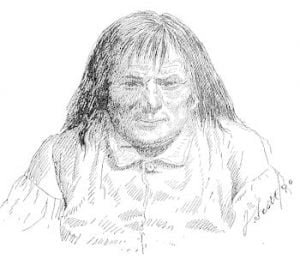
LA-LO-LA-MY, chief of the Oraibi, Moqui Pueblo, Arizona

The Moqui Pueblos of Arizona, as described by Julian Scott, consist of communal villages characterized by unique architecture, daily trade, and social gatherings. The Moquis engage in agriculture, cultivating peaches, corn, and various vegetables while maintaining distinct cultural practices, including intricate clothing and pottery. Their spiritual beliefs revolve around a duality of deities, integrating folklore with daily life. The Moqui estufas serve crucial social and ceremonial functions, reflecting their community-oriented lifestyle. Despite facing threats from neighboring tribes, they remain industrious and self-sustaining in their rugged environment.

The Moqui Tribe in History 1865-1890

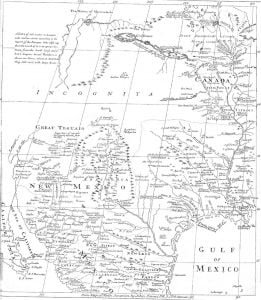
1710 John Senex Map

In the mid-1860s, the Moqui Tribe faced dire conditions due to crop failures and hostilities from the Navajo, exacerbating their poverty. Reportedly, they lacked basic agricultural tools and relied on rain for farming, leading to famine. John Ward, a United States Indian agent, highlighted the Moquis’ neglect by the government, despite their need for assistance. By 1865, their population was estimated at around 3,000. The Moquis, known for their resilient and self-sustaining lifestyle, inhabited seven pueblos atop mesas, reflecting their long-standing agricultural practices and cultural heritage.

Moqui Pueblos of Arizona and Pueblos of New Mexico

The Pueblo Indians, primarily located in Arizona and New Mexico, have gained significant scholarly interest due to their unique cultural characteristics and historical evolution. Arizona’s Moqui Pueblos and those of New Mexico share notable similarities, having adapted their lifestyles to their arid environments. Historically, under Spanish and later Mexican rule, they developed self-governing structures, evidenced by distinct legal systems and community-centric living. Despite changes over centuries, the Moqui and New Mexican Pueblos preserve aspects of their ancient traditions, including their languages and ceremonial practices.

The Moqui Tribe in History 1858-1864

In 1858, Lieutenant J. C. Ives surveyed the Colorado River and encountered the Moqui pueblos, describing the inhospitable terrain and noting the resourceful irrigation systems of the Moquis. His interactions revealed their cleanliness, hospitality, and distinct attire, highlighting their agricultural practices and interactions with neighboring tribes. By 1859-1864, during the Navajo War, the Moquis maintained their agricultural lifestyle while occasionally aiding U.S. troops. They were recognized for their unique culture and adaptability, forming a notable part of Arizona’s population by 1863.

The Moqui Tribe in History

The first European contact with the Moqui Pueblos occurred in 1540, led by Don Pedro de Tobar during Coronado’s expedition. Over the following decades, various Spanish expeditions visited, including missionary efforts that introduced agriculture but also brought hardships. By the late 17th century, the Moquis largely resisted Spanish control, maintaining their independence despite intermittent efforts at conversion. They engaged in negotiations and conflicts with Spanish authorities until 1700 when they effectively secured their autonomy, with no serious attempts at subjugation occurring until the mid-18th century.