Unraveling Catherine Whittle’s Choctaw Citizenship Claim
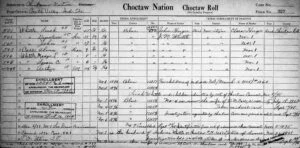
Choctaw By Blood - Card 237

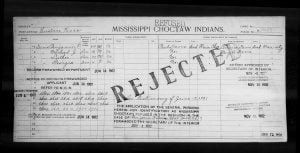
Catherine Whittle applied for enrollment as a Choctaw citizen in 1899, alongside her children, due to her sister Sarah Whittle’s recognized status. Their application was denied in 1900 despite their long-term residence in the Choctaw Nation. Legal efforts in 1910 highlighted familial connections and supportive testimonies, but a final decision remains unrecorded. Other related claims were made by Eliza Jane Pearce, Catherine’s cousin. Evidence of lineage was provided but met with administrative resistance throughout the enrollment process.
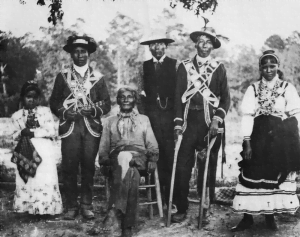
Condition of the Mississippi Indians in 1890

In 1890, the census recorded 2,030 self-supporting Indians in Mississippi, predominantly descendants of the Choctaws from The Five Civilized Tribes. Concentrated in rural, cow counties, they cultivate small plots and supplement their income through hunting and crafts. Their lifestyle is simple, with limited ownership of livestock and occasional trade in items like baskets and pelts. However, they exhibit minimal engagement with formal education or religion and have a restricted proficiency in English.

Choctaw Research

Peter Perkins Pitchlynn was the Choctaw Principal Chief from 1864-1866

This compilation of resources is designed to aid in Choctaw research, primarily featuring materials from AccessGenealogy, along with other valuable external links. It discusses the history, territory, and cultural practices of the Choctaw tribe, while also providing access to various genealogical resources, including census records, biographies of tribal leaders, and legal documents. The post invites readers to contribute additional resources, ensuring a comprehensive approach to understanding Choctaw heritage and lineage.

Margaret Ferrill Census Card

The application for enrollment of Margaret Ferrill and her sons, Washington, Lemuel, and Charley, was refused by the Dawes Commission. The family, linked to Mississippi Choctaw Indians, was subject to a decision rendered on April 15, 1902, after a hearing in Meridian, Mississippi, on April 12. Despite approval from the Secretary of the Interior on June 5, 1902, their case was ultimately rejected due to the preceding decision in Julia Thompson’s case. Notifications regarding this outcome were sent on April 23, 1902.

Benjamin F. Davis – MCR 2617 Dawes Application

Dawes Card MCR #2617

On June 12, 1901, Benjamin F. Davis applied for identification as a Mississippi Choctaw for himself and his minor children. He provided details about his family background, claiming one-eighth Choctaw ancestry through his father, Paul Davis. Despite his assertions, he acknowledged that neither he nor his ancestors had ever been recognized or enrolled as members of the Choctaw tribe. The Commission allowed him thirty days to submit further evidence, and a decision regarding his application was promised to be made promptly.

Melinda Williams, Dawes Packet

On June 12, 1901, Melinda Williams applied for identification as a Mississippi Choctaw before the Department of the Interior Commission to the Five Civilized Tribes. Aged 67, she stated her father, Paul Davis, was Choctaw, and she had lived in Texas for 20 years after moving from Mississippi. Melinda claimed her ancestry but lacked documentation to support her application. She indicated her grandfather was half Choctaw, which would make her about one-sixteenth. This was her first application for enrollment.

Benjamin Davis Letters in Support of Claim

In correspondence dated September 3, 1901, the Commission acknowledges the receipt of affidavits and letters supporting Benjamin F. Davis’s application for identification as a Mississippi Choctaw, including his marriage to Mary Ann Varner. Earlier communications also reference a marriage certificate between Davis and Miss M. E. Gibbs, which is included in the case records. Additionally, on October 15, 1901, Henry H. Davis’s inquiry about identification records for Paul Davis is addressed, allowing for further evidence submission to support their claims.

Benjamin Davis

On October 1, 1903, Benjamin F. Davis sought guidance regarding a rehearing for his identification as a Mississippi Choctaw. The response clarified that merely stating claims is insufficient; substantial evidence must be provided to prove ancestry and compliance with relevant treaties. Additionally, documentation supporting his claims must accompany any petitions for re-hearing, demonstrating the historical ties and legal standing of his family within the Choctaw Nation. Further correspondence confirmed that previous affidavits concerning his marriage had been filed, and decisions on related claims were pending.

Benjamin Davis Questioner in Support of Claim

On June 12, 1901, Benjamin F. Davis testified before the Commission to the Five Civilized Tribes regarding his identification as a Mississippi Choctaw. Davis, aged 29, lived in Paynesprings, Texas, for twenty years after moving from Mississippi. He claims one-sixteenth Choctaw blood through his father, R. M. Davis, who has not been officially enrolled or recognized by tribal authorities but had some acknowledgment by U.S. authorities. Davis is married to Myra Davis, who does not claim Indian heritage.

Margaret Ferrill Dawes Commission Decision

On April 15, 1902, the Dawes Commission reviewed applications for identification as Mississippi Choctaws, including that of Margaret Ferrill. The Commission found the evidence insufficient for identity verification and ordered the applications to be denied. This decision was affirmed by the Secretary of the Interior on June 5, 1902. Consequently, the requests from Ferrill and others in the consolidated case of Julia Thompson, et al., were officially refused, and the records were forwarded for further review.

Margaret Ferrill Dawes Commission Examination

On April 12, 1901, Margaret Ferrill testified before the Commission to the Five Civilized Tribes in Meridian, Mississippi, seeking to identify herself and her three children as Mississippi Choctaws. Aged 55, she claimed half Choctaw heritage through her deceased father, Captain John, and confirmed her mother was a former slave. Despite her belief in their Choctaw ancestry, Margaret had never received benefits or been formally recognized by tribal authorities. She expressed willingness to move to the Choctaw Nation if her application was successful.

Candis Allen Dawes Commission Decision

On April 15, 1902, the Commission to the Five Civilized Tribes ruled on applications for identification as Mississippi Choctaws, including those of Candis Allen and others. The Commission found the evidence insufficient to support their claims to rights in the Choctaw lands, leading to a refusal of their applications. This decision was subsequently affirmed by the Secretary of the Interior on June 5, 1902. Following these proceedings, the record was forwarded for further review.

Candis Allen Dawes Commission Examination

On April 11, 1901, Candis Allen testified before the Commission to the Five Civilized Tribes in Meridian, Mississippi, seeking identification as a Mississippi Choctaw for herself and her eight children. She claimed Cherokee heritage through her father, Captain John, a full-blood Choctaw, but lacked documentation and knowledge regarding his ancestry and treaty compliance. The commission noted her limited awareness of Choctaw customs and language, which likely affected the outcome of her application for tribal identification for herself and her children.

Margaret Ferrill Dawes Application

On April 12, 1901, Margaret Ferrill applied to identify herself and her three children as Mississippi Choctaws, claiming descent from Captain John, a supposed full-blood Choctaw. The application lacks evidence, as they were not listed on any tribal rolls nor recognized by the Choctaw Nation or the United States. Similar claims were made by Emma Hayes and Jack Ferrill, both of whom also failed to provide sufficient documentation of their alleged Choctaw ancestry or compliance with the treaty of 1830.

Candis Allen Census Card

The application for Candis Allen and her family, residing in Hale, Mississippi, was rejected under the Dawes Act due to their non-citizen status. Allen, aged 48, and her children, ranging from ages 5 to 20, all held varying degrees of Choctaw blood but were ultimately denied citizenship. The decision, issued on April 15, 1902, was linked to a wider case involving Julia Thompson and noted in official communications with the Department of the Interior throughout 1902.

Julia Thompson Dawes Case Closing

The Commission has closed the cases of Julia Thompson and her co-applicants due to insufficient and conflicting evidence regarding their claims of Choctaw ancestry. Julia Thompson, asserting her lineage from Willoughby Trotter, claimed one-quarter Choctaw blood. However, the applicants failed to demonstrate their ancestors’ recognition by tribal authorities or compliance with the 1830 treaty provisions, leading the Commission to deny their claims for rights to Choctaw lands. The decision reflects a lack of clear documentation and testimony substantiating their heritage.

Indiana Coleman Dawes Commission Examination

On April 11, 1901, Indiana Coleman appeared before the Dawes Commission in Meridian, Mississippi, seeking identification as a Mississippi Choctaw. Aged 25, she claimed to have one-fourth Choctaw blood through her mother, who identified as half Choctaw. Coleman acknowledged no prior citizenship claims in the Choctaw nation and lacked knowledge of treaties or benefits associated with Choctaw ancestry. The Commission granted her attorneys permission to submit further evidence supporting her claim within thirty days.