
Melungeon DNA Study – Genetic Evidence

Melungeon DNA research has evolved significantly since the initial 1990 studies that relied on blood samples, leading to simple interpretations of their ancestry. Early findings indicated a mix of European, Native American, and minor African heritage, yet later studies revealed a more complex genetic background, including ties to Middle Eastern populations. Advanced testing in 2002 and onwards has refined this understanding, showing varied ancestries across Melungeon communities. Despite controversies, the genetic evidence supports a diverse heritage, indicating ongoing shifts in perceptions of Melungeon identity and history.
Melungeons

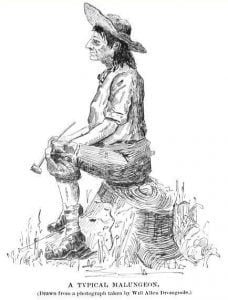
A cartoon mocking the typical Melungeon.

The term “Melungeon” has various interpretations and origins, possibly stemming from the French word “mélange” or the English “malengin.” Historically marginalized, Melungeons were often classified as white, Indian, or free people of color based on skin tone. Their ancestry is complex, with some scholars linking them to mixed-race unions in colonial times. Brent Kennedy’s research in the 1990s revived interest in Melungeon heritage, challenging stereotypes and advocating for further study. His findings stirred academic controversy regarding the Melungeons’ ethnic origins and identity.

The Melungeons: The Resurrection of a Proud People

In 2005, historian Richard Thornton was commissioned by the Muscogee-Creek Nation to create an electronic book on Southeastern Native American history. While researching, he encountered Dr. Brent Kennedy’s pioneering work on the Melungeons, a mixed-heritage group in the Southern Appalachians. Thornton discovered inaccuracies regarding the Nacoochee Valley, a significant area for the Creek Indians. His correspondence with Kennedy blossomed into a friendship, deepening their exploration of Melungeon origins and challenging established historical narratives, especially concerning their cultural and ethnic identity.

Cherokees in Nacoochee Valley

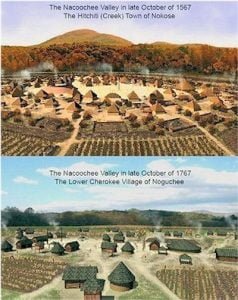
Hitchiti Creek town of Nokose

The Nacoochee Valley has a complex history involving Spanish Melungeon gold miners and the Cherokee peoples. In the 16th century, Spanish explorers noted gold in the nearby mountains, with Melungeons settling in the region. By the 18th century, Cherokee and Creek alliances led to conflicts for territorial control. The Cherokees faced significant losses from smallpox and warfare, resulting in their decline as a distinct group. By the American Revolution, the ethnic landscape shifted, but remnants of this hybrid culture lingered in place names and history.