
The Biloxi and Pascagoulas

In 1712, French explorer Iberville anchored near what is now Ship Island and discovered a peculiar island animal, naming it Cat Island. They then encountered the Biloxi tribe, a Choctaw clan, which led to the establishment of Biloxi, the oldest town in Mississippi. Eastward, they found the Pascagoulas, also a Choctaw clan. The name Pascagoula means “Bread People.” Local traditions among the Pascagoulas recount a legendary encounter with a mysterious white man who, alongside the tribe, was entranced by a siren, leading to their demise.

The French In Alabama And Mississippi

History of Alabama and incidentally of Georgia and Mississippi, from the earliest period

Following nearly a century and a half of European absence after De Soto’s invasion, French explorers, including Father Marquette and La Salle, began to navigate and document the Mississippi River. Their efforts established ties to France’s colonial ambitions, leading to the founding of Louisiana in honor of Louis XIV. As Iberville and his brothers pursued further colonization in the early 18th century, they faced challenges such as famine, conflicts with Indigenous tribes, and political strife among settlers. Ultimately, these factors severely impacted the colony’s stability and growth in Alabama and Mississippi.

Biloxi and Pascagoula Burial Customs

The Biloxi and Pascagoula tribes, part of the Siouan family, had unique burial customs documented by a French officer around 1730. Instead of traditional interment, they dried the body of a deceased chief to create a skeleton, which was displayed in a temple alongside other chiefs. The body, placed upright on a table, was offered food daily, and the chief’s family frequently visited, speaking to him as if he could hear. These practices reflect the tribes’ rich cultural heritage and connection to their leaders even after death.

Biloxi Indians

The Biloxi Tribe, likely derived from the term Taneks anya meaning “first people,” belonged to the Siouan linguistic family and originally inhabited the Pascagoula River area. Historically, they shifted locations, interacting with early French explorers, including Iberville, who encountered them in 1699. Over time, the tribe moved through various regions, including Alabama and Louisiana, ultimately dwindling in population. By the early 20th century, the Biloxi were nearly extinct, with remnants found in Louisiana and Oklahoma, retaining their unique Siouan dialect.

Choctaw Research

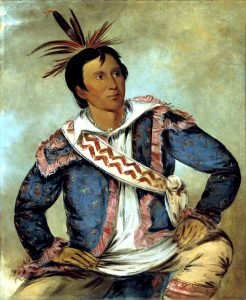
Peter Perkins Pitchlynn was the Choctaw Principal Chief from 1864-1866

This compilation of resources is designed to aid in Choctaw research, primarily featuring materials from AccessGenealogy, along with other valuable external links. It discusses the history, territory, and cultural practices of the Choctaw tribe, while also providing access to various genealogical resources, including census records, biographies of tribal leaders, and legal documents. The post invites readers to contribute additional resources, ensuring a comprehensive approach to understanding Choctaw heritage and lineage.