Samuel Lane’s Journal, 1739-1803

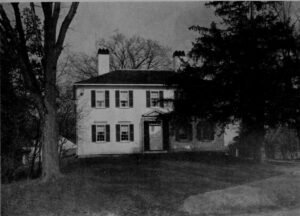
Jabez Lane House

Samuel Lane’s journal, covering 1739 to 1803, chronicles the life of a New Hampshire resident who experienced the colonial, Revolutionary, and early national periods. Lane transitioned from farming to various professions, including tanner and shoemaker, while actively participating in community roles. His meticulously kept journal captures local and national events, personal reflections, and societal changes. Edited by Charles Lane Hansen in 1937, it serves as a crucial primary source, offering insights into the daily life, hardships, and resilience of 18th-century New England.

Views on the Choctaw and Fables – North American Indians

In 1723, the Choctaw territories spanned from the Mississippi River to the Black Warrior and included over sixty towns, with an estimated twenty-five thousand warriors. Their fables, known as Shukha Anump, reflect moral lessons, akin to Aesop’s. One fable recounts a turkey and a terrapin, illustrating that arrogance can lead to downfall, as the underestimated terrapin outsmarts the turkey. The author emphasizes that the ancient Indians valued traits like truth, honor, and hospitality, suggesting their readiness for civilization and Christianity, despite skepticism from others.