
Sharp
Silas Sharp, Mississippi Choctaw
The case of Silas Sharp et al. involves multiple applications for citizenship in the Choctaw Nation, based on descent from John and Nancy Moore, Mississippi Choctaws. Between 1896 and 1902, numerous family members—including Sharp, Moore, and Quaid descendants—petitioned the Dawes Commission, asserting their rights under the Treaty of 1830. Despite affidavits and testimonies confirming their Choctaw ancestry, their claims were repeatedly denied due to a lack of documented compliance with the treaty’s provisions. Legal appeals continued until 1909, but the U.S. Department of the Interior upheld previous rulings, ultimately excluding them from Choctaw citizenship rolls.
Rough Riders
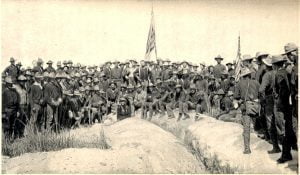
The compiled military service records of 1,235 Rough Riders, including Theodore Roosevelt, have been digitized. Each record features individual jackets detailing the soldier’s name, organization, rank, and medical records. The records also contain personal information and documentation descriptions. Discharges occurred for various reasons, such as age, ability, discipline issues, or hardship. This initiative provides significant insights into the personnel of the 1st U.S. Volunteer Cavalry during the Spanish-American War.
Biographical Sketch of J. E. Sharp
J. E. Sharp, born in East Tennessee on November 17, 1809, was the son of Joseph and Sarah Sharp. After his parents’ deaths in 1828, he moved to Illinois, where he initially farmed before entering mercantile business. In 1864, he relocated to California, eventually settling in Santa Ana. A dedicated member of the Baptist Church for over fifty-four years, Sharp was married twice, first to Mary E. Robinson, with whom he had a daughter, and later to Clarissa M. Trask. He was active in real estate until his retirement.