
The genealogy and history of the Ingalls family in America

The genealogy and history of the Ingalls family in America
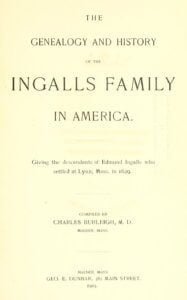
Edmund Ingalls, son of Robert, was born about 1598 in Skirbeck, Lincolnshire, England. He immigrated in 1628 to Salem, Massachusetts and with his brother, Francis, founded Lynn, Massachusetts in 1629. He married Ann, fathered nine children, and died in 1648.

Kansas Registrations of Enemy Aliens, 1917 – 1921

Enemy Alien Registration Affidavit for Bernhardt Vick - Cropped Photo

The series contains original affidavits of registration that record personal information about each registrant, their photograph affixed to the majority of documents, and the registrants fingerprints. All of these are specific to Kansas, and most have the actual documents attached.

Slave Narrative of Sam Rawls

Sam Rawls, born in 1835 in Lexington County, South Carolina, reflects on his life as a slave under John Hiller. He recounts witnessing the chaos of the Civil War, including Union soldiers threatening his life. Although strict, Hiller did not treat his slaves harshly; they worked in gardens and attended white churches. Rawls learned to read secretly and shared stories of community events like corn-shuckings. He remembers the oppressive presence of patrollers and expresses admiration for Abraham Lincoln and Booker T. Washington.

Biographical Sketch of Frank B. Hiller

Frank B. Hiller, born on December 29, 1874, in Cleveland, was the son of William F. and Christina Geiger Hiller. Educated in Cleveland’s public schools, he married Emma E. Gross in 1900 and had four children. Hiller began his career in the sheet metal business at age 12 and later co-founded the Cleveland Metal Roofing Ceiling Co., where he has served as president, general manager, and treasurer since its incorporation. He is also a member of the Builders Exchange and a Mason.

Improvements to Annexed Cherokee Lands

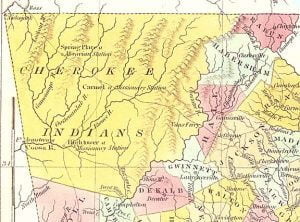
1830 Map of Cherokee Territory in Georgia

The Treaty of May 6, 1828, granted the Cherokee Nation 7 million acres as a permanent home, recognizing their sovereignty while mandating the cession of remaining lands to the United States. As a result, some Cherokee settlers were displaced from previously believed tribal lands. The treaty stipulated that land ceded would be appraised, and cash payments would be made for improvements made by proprietors. Numerous accounts detail the assessed value of various improvements, reflecting the complexities of land and ownership during this period.