Florida African American Cemeteries
Florida African American Cemeteries

Florida African American Cemeteries
Begin your Florida census research with free online resources. If unsuccessful, consider subscribing for full access to digital census images. Numerous counties host their 1850 slave schedules and additional census records from various years are available, including 1860 to 1910. Ancestry.com and Florida USGenWeb Archives provide valuable tools for conducting thorough genealogical research, offering a range of forms and resources specific to each county. This foundation is critical for understanding African American histories within Florida’s census records.

African American genealogical research in Delaware presents unique challenges due to limited pre-Civil War records. This dedicated section offers essential resources for tracing Black ancestry, emphasizing the distinct approaches needed for researching enslaved individuals versus free African Americans. After the Civil War, research methods converge with those for white families. The provided links include archives, cemetery records, and various genealogical publications that enhance accessibility. Careful organization of personal materials and adherence to standard research practices remain critical for effective genealogy endeavors in this community.
Researching African American genealogy in Arkansas poses unique challenges due to limited record-keeping prior to the Civil War. A dedicated section for African American resources is essential, similar to that for Native American research. Despite recent improvements in access to information through publications and genealogical societies, careful and systematic research remains crucial. Investigations are divided into two periods: pre- and post-Civil War. Various records, including censuses, marriage documents, and narratives, provide essential information for tracing Black family histories in Arkansas.
African American genealogical research in Alabama faces challenges due to limited record-keeping prior to the Civil War. This summary presents essential resources for those researching Black genealogy, mirroring support structures established for Native American research. Progress has been made through new publications and guides, yet the process remains methodical, requiring organization of personal materials. The research is divided into two periods: before and after the Civil War, with differing techniques for tracing enslaved individuals and free African Americans. Various archives, libraries, and societies offer valuable records and tools for researchers.
Cemeteries serve as important historical connections to the past, particularly those designated for African Americans. The post details a comprehensive list of African American cemeteries across Alabama, organized by county. These sites, often rich in local history, include locations such as the County Line AME Zion Church Cemetery in Bullock County, Bennett Cemetery in Butler County, and the Old Prewitt Slave Cemetery in Tuscaloosa County, among many others. Additional resources can be found at AccessGenealogy and various genealogy websites.
African American genealogy poses unique challenges due to limited record-keeping prior to the Civil War. A dedicated section addressing these resources is vital, paralleling Native American research. While improvements have been made through new publications and guides, effective research requires a methodical approach, particularly when differentiating between records for enslaved individuals and free Black individuals. Key resources include census, military, court, and church records, alongside cemetery databases. Understanding these differences is crucial for tracing African American ancestry in pre- and post-emancipation contexts.
This page provides a comprehensive overview of significant events in African American history, highlighting key legislative acts and legal cases across various states. Notable examples include the Dred Scott Case in Missouri, the Atlanta Compromise in Georgia, and the Emancipation Proclamation. Additional entries cover important laws such as the Black Codes, the Kansas-Nebraska Act, and landmark Supreme Court cases like Plessy vs. Ferguson and Brown vs. Board of Education. This documentation aids in understanding the broader historical context and evolution of African American rights.
Pulaski County, Kentucky Wills
Laurel County, Kentucky Wills
Christian County, Kentucky Wills
Clark County, Kentucky Wills
This page catalogs numerous Alabama wills that have been transcribed and made accessible online, covering various counties such as Autauga, Baldwin, Barbour, and many others. The listings include important documents dating from the early 19th century, showcasing wills from notable residents like Nicholas Zeigler and Henry Dennis, among others. These records serve as valuable resources for genealogical research and provide insight into the estate management and familial relationships of Alabama’s historical figures.
The post provides an extensive list of wills and probate records from various counties in Kentucky, accessible through USGenWeb Archives and KYGenWeb. It includes detailed information such as years covered, specific individuals’ wills, and the organization of records by county. This resource offers a comprehensive overview essential for genealogical research and understanding the historical context of Kentucky’s legal and familial structures through the years.
This page offers a comprehensive collection of resources for researching Potawatomi ancestry, including historical documents, genealogical databases, and information on tribal leaders and cemeteries. It details the Potawatomi’s historical identity and affiliations, emphasizing their cultural significance and contributions. Additionally, it includes links to census rolls, tribal histories, and treaties, providing a holistic view of Potawatomi heritage and the challenges faced throughout their history. This resource is valuable for researchers and descendants seeking to understand their lineage and the Potawatomi legacy.
This page offers a comprehensive collection of resources for researching Nez Perce ancestry, including historical overviews, biographies of notable leaders like Chief Joseph, and access to census records. It also highlights Nez Perce culture and customs, including legends and treaties, and provides guides for tracing Indian ancestry through various means, including DNA testing. Additionally, it features links to cemeteries, language resources, and information about military involvement and significant historical events related to the Nez Perce people.
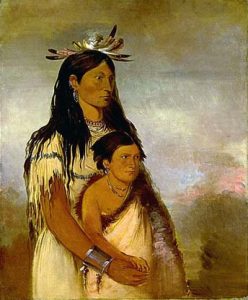
This post provides resources for Kiowa research, primarily from AccessGenealogy, alongside other valuable external links. It details the Kiowa Tribe’s history, notable leaders, and genealogical resources, including census records and information on Kiowa cemeteries. The post also covers treaties, military involvement, language, and cultural traditions, offering insights into Kiowa identity and heritage. Additional suggested readings include significant historical documents and photographs that capture Kiowa life. Readers are encouraged to contribute any additional resources they may know of.
This page serves as a comprehensive resource for research on Hopi ancestry, providing information on the Hopi people, who inhabit northeastern Arizona and speak a Shoshonean dialect. Among the resources are genealogical databases, historical documents, census records, and cultural information about Hopi customs and traditions. It also explores the origins of names, including “Moqui,” and highlights the significance of the Hopi Reservation and its historical context, alongside links to libraries, biographies, and treaties relevant to Hopi history.
American Indian clans or gens are exogamic groups within tribes that promote members’ social and political welfare, often named after a shared habitat or tutelary being. Membership, typically traced through maternal lines, grants rights such as inheritance and participation in tribal councils. Clans are composed of one or more ohwachira and display varying numbers across tribes. While not universally present among tribes, the structure significantly influences ceremonies, property rights, and political leadership, emphasizing a communal identity and responsibilities among members.
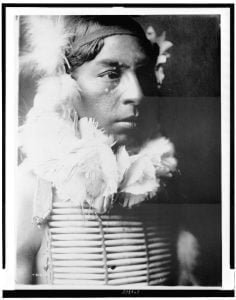
This post provides a variety of resources for conducting research on the Crow Nation, including links to AccessGenealogy offerings and other valuable offsite materials. It details the Crow’s historical background as a Siouan tribe, its split from the Hidatsa, and resources for tracing Indian ancestry, such as census and cemetery records. Additionally, it highlights notable figures and historical documents related to the Crow people, and promotes suggested readings for a deeper understanding of their culture and history.