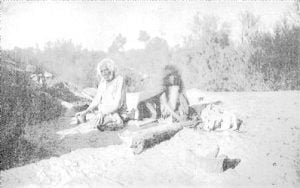
Yuma Indian Reservation

Yuma Reservation, Mission-Tule Consolidated Agency, California

The Yuma Indian Reservation, established in 1884, spans approximately 15,889 acres along the Colorado River. As of June 1890, the Yuma tribe comprised 1,208 members. The community relies heavily on fishing and limited agriculture, facing significant challenges due to customs like cremation, which hinders economic progress by destroying property upon death. The tribe’s rich cultural practices, including annual mourning feasts and distinctive governance, reflect deep social traditions, yet their moral decline remains concerning. Education efforts exist, but the transition to more sustainable practices is needed for future development.
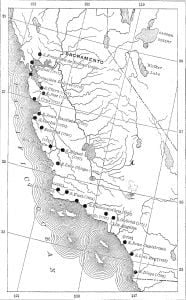
1890 California Indian Population and Reservations

California Missions with date of Founding

In 1890, California’s Native American population totaled 16,624, with 11,517 self-supporting individuals counted in the general census and an additional 5,064 living on reservations. This census highlighted the diverse tribal affiliations across the state, particularly in Northern and Central California. Various agencies, such as the Mission-Tule Consolidated Agency and Round Valley Agency, managed these populations, which included numerous tribes with unique histories and cultural backgrounds. The data underscores the significant distinctions between taxed individuals and those residing on reservations, reflecting the complex nature of Native American demographics at the time.