Mr. Cushman and the Choctaw’s

The Choctaws exhibited a unique curiosity, contrasting with white settlers by not expressing their amazement openly. They revered white ingenuity while clinging to ancestral beliefs. An illustrative anecdote involves Mr. Cushman’s twin sons, whom the Choctaws believed possessed magical powers to protect cornfields from pests. The twins were enthusiastically borrowed, and the Choctaws conducted a mock battle against corn-worms. The twins returned home triumphant, having fulfilled the community’s expectations, highlighting cultural beliefs and the intertwining of traditions between the Choctaws and white settlers.
Choctaw War Against the Osage and other Legends

The Choctaw legends reveal deep connections to nature and profound emotions. One tradition recounts the tale of Ohoyo Osh Chisba, where two hunters, after a disappointing day of hunting, encounter a beautiful spirit who offers them guidance. Through acts of kindness, they are rewarded with corn, a staple for their people. Similarly, the story of Chahtah Osh Hochifoh Keyu illustrates the tragic effects of war. The nameless warrior, separated from his betrothed, faces sorrow and loss, culminating in his untimely return to a mourning village. Such narratives emphasize love, sacrifice, and spiritual reverence.

Traditions of the Great Flood by the Choctaw

The Choctaw traditions regarding the Oka Falama tell of a time when humanity was deemed wicked, prompting the Great Spirit to send a prophet warning of impending destruction. Ignored, the people faced a catastrophic flood that covered the earth, leaving only the prophet alive on a raft. After weeks adrift, he found land, married a beautiful bird transformed into a woman, and repopulated the world. The stories share striking similarities with Biblical accounts, suggesting deeper historical connections or shared origins of the flood narrative.

The Biloxi and Pascagoulas

In 1712, French explorer Iberville anchored near what is now Ship Island and discovered a peculiar island animal, naming it Cat Island. They then encountered the Biloxi tribe, a Choctaw clan, which led to the establishment of Biloxi, the oldest town in Mississippi. Eastward, they found the Pascagoulas, also a Choctaw clan. The name Pascagoula means “Bread People.” Local traditions among the Pascagoulas recount a legendary encounter with a mysterious white man who, alongside the tribe, was entranced by a siren, leading to their demise.

History of the Shakchi Humma Tribe

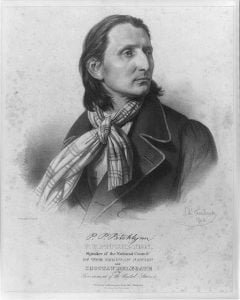
P.P. Pitchlynn, Speaker of the National Council of the Choctaw Nation and Choctaw delegate to the government of the United States

Oktibbeha County, Mississippi, witnessed fierce conflicts among various tribes, notably the Shakchi Humma, who were ultimately exterminated by the allied Choctaws and Chickasaws around 1721. The Shakchi Hummas, initially a powerful tribe led by Chief Shakchi Humma, engaged in violent skirmishes following their aggressive expansion into neighboring territories. Despite their initial successes, they faced a brutal three-year war characterized by strategic ambushes and desperate defenses. Ultimately, they were obliterated, leaving only one survivor, a girl who was adopted by the Choctaws and lived to see the arrival of missionaries.

Prominent White Men among the Chickasaws

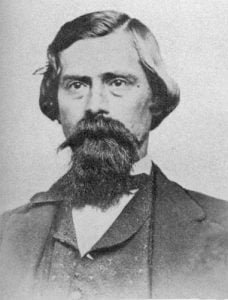
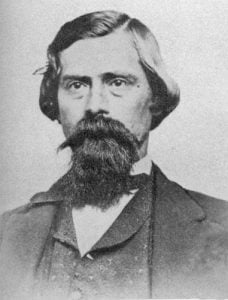
Holmes Colbert

In the early days, a few cultured white men, drawn by the Chickasaw way of life, integrated into the nation. Notably, figures such as James Gunn, Logan Colbert, and Malcomb McGee became part of Chickasaw society, aiding in moral and educational advancements. Despite myths of a McIntosh, who was misrepresented as influential, the true contributions of these men remain significant. They sought genuine connections with the Chickasaws, contrasting sharply with later intruders motivated by avarice, casting a long shadow over indigenous relationships.

Treaty of 1832 against the Chickasaws

The Chickasaw territory, now part of northern Mississippi, was renowned for its natural beauty and rich resources. The landscape, characterized by open forests and vibrant flora, supported abundant wildlife, creating a serene environment. Following their forced removal in the 1830s, the area remained undisturbed for years, echoing the life that once thrived there. The Treaty of 1832, signed on October 20, effectively displaced the Chickasaws, led by U.S. representatives John Eaton and John Coffee, marking a significant loss for this Indigenous nation.

Chickasaw Courtship and Dance

Chickasaw courtship involved a subtle approach where a prospective groom sent a bundle of clothing to his desired bride through a female relative. Acceptance of the gift indicated mutual interest, bypassing the need for direct parental approval. Marriages were marked by the exchange of food, symbolizing roles in providing for the household. Additionally, the Chickasaws celebrated various dances, including sacred ones for women and communal dances, often accompanied by prayerful rituals, especially during healing ceremonies, highlighting their rich cultural traditions.

Chickasaw Districts, Death, and Doctors

Before their westward migration (1836-1838), the Chickasaws were organized into three districts: Tishomingo, Sealy, and McGilvery, each led by a chief officer. Ishtehotohpih was the king at the time, who died in 1840, marking the end of their monarchical system. Tishu Miko, his chief counselor, was influential but passed away a year earlier. The Chickasaws practiced prompt burial rites and had complex mourning customs. Their doctors, skilled in herbal remedies, were vital to their health, blending traditional practices with spiritual beliefs.

Laws of the Chickasaw Tribe

The Chickasaw Tribe, organized into divisions called Yakissah, had strict marriage laws prohibiting unions within the same Yakissah. They valued trust, often exploited by unscrupulous traders. Their legal system comprised four stringent laws: murder was met with exact retribution, minor offenses resulted in whipping without dishonor, and property inheritance favored siblings over children. This unique system, recounted by Governor Cyrus Harris in 1886, reflects their cultural values and societal structure, emphasizing honor and familial connections.

Choctaw and Chickasaw War Preparations

Among southern and northern tribes, war preparations included a solemn council of elders who deliberated on grievances. Upon deciding to act, an embassy sought redress, and if denied, warriors gathered to discuss war measures, signified by smoking the Pipe of War. During this period, ceremonial practices, including feasts and war-dances, were observed to instill courage and focus. Furthermore, the Chickasaws exhibited a commendable virtue in their care for orphans, ensuring no child faced abandonment, a trait recognized by missionaries and attributed to all North American Indians.

Chickasaw Religion

Holmes Colbert

The Chickasaws, unlike the Choctaws, approached natural phenomena like eclipses rationally, viewing them as “sun hidden” rather than omens. Their history includes the notable town of Pakitakohlih, where De Soto’s army wintered in 1540. The Chickasaws fiercely defended their land against French incursions but eventually faced forced removal, leaving behind cherished memories of their homeland. Despite hardships, they maintained their spiritual beliefs and rebuilt their society, demonstrating resilience and determination. Nevertheless, their struggles intensified with further encroachments on their territory and autonomy.

Choctaw and Chickasaw Traditions

Shonian, Chickasaw

After the French ceded their territories, the Chickasaws maintained their independence, enduring the impacts of war. Their land, neighboring the Choctaws, was praised for its natural beauty, vibrant wildlife, and abundant resources, showcasing a lifestyle rich in harmony with nature. Though they faced the encroachments of civilization, the Chickasaws preserved their customs and values, promoting equality, deep respect for elders, and the education of youth. The arrival of missionaries altered some traditions while also bringing about spiritual awakening, yet their oral histories remain pivotal in understanding Chickasaw legacy.

Natchez Trace

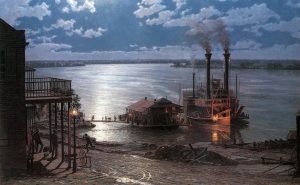
Natchez Under the Hill

In 1792, a treaty with the Chickasaw at Chickasaw Bluffs established the Natchez Trace, a significant route connecting Nashville to Natchez. Initially a thoroughfare for emigrants, it soon became infamous for outlaws like Mason and Murrell, who preyed on travelers. Despite efforts to capture these bandits, they eluded authorities until betrayal led to Mason’s demise. The Trace witnessed both lawlessness and camaraderie among its diverse users, ultimately fading from memory as it transformed into farmland, overshadowed by the bustling growth of nearby settlements.

Vaundreuil and the Chickasaws

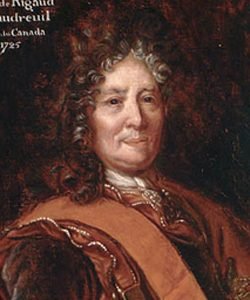
Philippe de Rigaud Vaudreuil

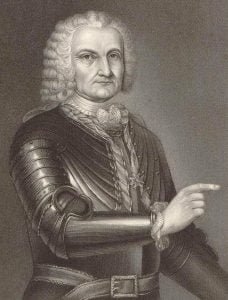
On May 10, 1743, the Marquis of Vaudreuil assumed control of French Louisiana, rejecting peace proposals from the Chickasaws unless they expelled English traders and coordinated with the Choctaws. Despite their attempts for peace, Vaudreuil sought to incite hostilities between the Chickasaws and Choctaws, ultimately igniting a civil war. The Choctaws, influenced by French and English manipulation, faced devastating losses. By 1750, they accepted humiliating peace terms while the Chickasaws continued to resist, indicating the destructive impact of colonial rivalries on Indigenous peoples.

Chief Pontiac of the Ottawa’s

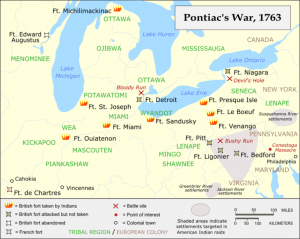
Map of Pontiacs War

Following the 1763 peace, English troops occupied former French forts, prompting widespread Indian apprehension of encroachment. Pontiac, the Ottawa chief, emerged as a pivotal leader advocating for resistance. He organized a council of tribes to unite against the English, inspired by a prophetic vision asserting divine support for their fight. Pontiac orchestrated a coordinated attack on English forts, aiming for liberation. Despite initial efforts, including a siege of Detroit, betrayal foiled his plans. Eventually, Pontiac was assassinated, symbolizing the decline of Indian resistance.

The Chickasaw War of 1739

Chickasaw Wars

The Chickasaw War of 1739 was fueled by French manipulations, leading to a prolonged conflict between the Chickasaws and the Choctaws, which had begun in 1737 without clear gains for either side. Bienville, determined to eradicate the Chickasaws after previous defeats, sought Choctaw support and managed to persuade many tribes to ally with the French. However, logistical failures and disease plagued the French campaign. Ultimately, peace was declared, with the Chickasaws maintaining their independence, despite ongoing tensions and hostilities instigated by the French.

Gov. Perier and Bienville

Bienville

The English colonists, wary of French expansion along the Mississippi, fostered conflicts between French and Native American tribes, particularly igniting animosity with the Chickasaws after a failed French escort led to their warriors’ deaths. Bienville, the French governor, attempted to use the Choctaws against the Chickasaws but faced significant resistance. Subsequent military expeditions by both Bienville and d’Artaguette ended in disastrous defeats against Chickasaw defenses. Ultimately, the Chickasaws showcased their resilience, marking critical victories that hindered French ambitions in the region.

Gen. Anthony Wayne’s Campaign

Brig. Gen. Anthony Wayne

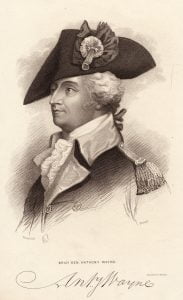
In April 1792, General Anthony Wayne was assigned to lead the Northwestern Army amid ongoing conflicts with Native Americans. Following a failed raid by Kentucky militia, Wayne prepared for a campaign against the tribes. Despite treaty negotiations asserting U.S. claims, Native foes, led by Little Turtle, resisted pressure to cede lands. After a series of confrontations, Wayne’s forces ultimately defeated the Indians at the Maumee River, leading to a treaty in 1795 that forced significant land concessions from the tribes, embodying the brutal tactics employed against them.

Moravian Massacre at Gnadenbrutten

George Rogers Clark

In 1763, Moravian missionaries established missions among the Tuscarawa Indians. Despite maintaining neutrality during the Revolutionary War, they were perceived as threats by both American settlers and British allied Indians. In March 1772, a group of American frontiersmen, led by David Williamson, deceived and massacred 96 Moravian Indians—men, women, and children—at Gnadenbrutten. This brutal act was marked by a lack of empathy among the assailants, highlighting the brutal interactions between white settlers and Native Americans during this period of conflict.