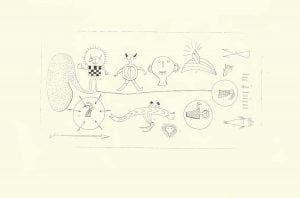
The Sacred Jeesukawin

Kekenowin - Plate 55

The sacred Jeesukawin, a revered practice among Native American tribes, embodies the ancient art of prophecy. Rooted in the Ojibwa language, this mystical art involves the jossakeed (prophet) utilizing a specially constructed lodge to commune with spirits, providing guidance to the community. Notably, the experiences of prophets like Chusco and Catherine Wabose illustrate profound personal journeys and transformations from traditional beliefs to Christianity. The detailed pictographs serve as manifestations of their prophetic visions, demonstrating the intricate connection between spirituality, symbolism, and cultural identity.

Religion and Ceremonies of the Plains Tribes

Blackfoot Medicine Pipe

The Plains tribes’ mythology is rich, encompassing a variety of sacred beliefs and narratives that share similarities with European legends. Prominent among these tales are deluge myths and hero narratives, often featuring supernatural beings like the Blackfoot’s Napiw. While tribes have unique beliefs, many themes overlap, revealing cultural connections. Religious concepts diverge from Western notions of a singular deity, focusing instead on a controlling power expressed through the natural world. Rituals involve personal medicine bundles, pivotal in both individual and communal ceremonies, highlighting the spiritual life of these tribes.

The New Religion

Around 1800, Handsomelake, a Seneca sachem, introduced a new religion among the Six Nations after receiving a divine revelation from the Great Spirit. Emphasizing a temperance reform to combat the detrimental effects of alcohol, he sought to revitalize Indigenous faith by incorporating ancient beliefs with new doctrines. With time, he gained widespread acceptance, and after his death in 1815, his teachings continued under Sase-ha-wa, his successor. Their religious gatherings persist, reaffirming their commitment to moral conduct and harmony within their communities.

Listen to the Great Spirit

The Great Spirit has imparted crucial lessons about the separation of races and the consequences of intermingling. Handsomelake relayed visions of a house of torment, detailing specific punishments for vices such as drunkenness, quarrels, and witchcraft. He emphasized the importance of community, revering the elderly, and mourning practices. The four messengers warned of impending judgment if people fail to repent, while also revealing a kind-hearted white man, barred from heaven, whose protection once saved the people. The message concludes with a plea for adherence to the Creator’s will.