A Modern Translation of the Migration Legend of the Creek People

Tamachichi Trustees

Richard Thornton’s modern translation of the Migration Legend of the Creek People includes extensive annotations to enhance understanding for researchers. The text explores the Creek’s historical relationships with British colonial leaders, including attempts to introduce Christianity through missionaries like John and Charles Wesley. It highlights key figures such as Tamachichi and the complexities of Creek beliefs and practices, including their monotheistic nature and the significance of medicinal herbs. The legend recounts the Creeks’ migration, alliances, and cultural practices, illustrating their sophisticated society.
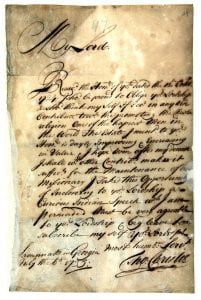
Thornton’s Translation of the Migration Legend of the Creek People

Page 1 from the Migration Legend

In 2015, Richard Thornton discovered the original Migration Legend of the Creek People, a significant find predicted to be nearly impossible by Gatschet. Thornton transcribed the document from its original velum, revealing inaccuracies in previous translations. The legend recounts the journey of the Creek People, detailing their trials, encounters with other nations, and spiritual beliefs, such as their relationship with fire and the earth. Notably, it emphasizes their historical connections and alliances, particularly with the Palachicola and Coweta people.

Introduction to the Migration Legend of the Creek People

Tomochichi

In 1715, the alliance among Southeastern tribes fractured after conflict with South Carolina, leading to the decimation of the Yamasee and migration of several Creek towns to the Chattahoochee River. By 1717, the Koweta Accords established a new Creek Confederacy, excluding certain tribes. Tamachichi emerged as a significant leader, ultimately aiding the founding of Savannah and fostering relations with British officials, including James Oglethorpe. His influence facilitated Creek participation in colonial developments, reflecting a pivotal moment in Indigenous-British interactions.

Gatschet’s Translation of the Migration Legend of the Creek People

Page 1 from the Migration Legend

In 1884, Albert Samuel Gatschet published a translation of the Creek Migration Legend, derived from earlier translations, notably from a German book that included an English rendering of the original text. The narrative recounts the journey of the Creek people, led by Chekilli, through various mythical landscapes and encounters, underscoring their cultural practices, medicinal knowledge, and historical conflicts with other tribes. The legend highlights key elements of Creek identity and emphasizes their eventual unity, particularly in relation to the Palachucolas, shaping the origins of the Upper and Lower Creeks.

Micmac Customs And Traditions

Waltes Bowl and Sticks

The Micmac Indians of Nova Scotia possess rich customs and traditions, primarily documented through the Glode brothers, who are esteemed for their knowledge of native lore. Their communication methods in the woods utilize symbolic sticks, and traditional games, such as altestakun, reflect their cultural values and complexities. Notably, the serpent dance, once common, symbolizes transformation and seasonal cycles, while folktales, like those of water fairies and the culloo, illustrate their deep mythological roots. However, much of this heritage is fading as fewer individuals retain knowledge of these legends and practices.

Adventures of Bull Turns Round

In a narrative steeped in familial bonds and betrayal, Bull Turns Round, the favored younger brother of Wolf Tail, faces treacherous circumstances. Wolf Tail, tasked with protecting him, inadvertently enables his downfall when jealousy arises from his wife’s injury. After Bull Turns Round is pushed into a river, he is revived by a benevolent old man from the Under Water People, who offers him his daughters as wives. Eventually, Bull Turns Round returns to confront Wolf Tail, leading to a dramatic reconciliation and a pivotal moment of survival for the people.