
Indian Warfare Between Texas and Mexico
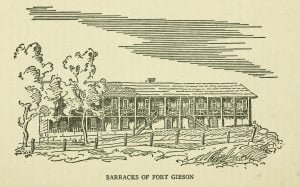
Barracks of Fort Gibson

In 1836, Major Chouteau explored the region between the Red River and the Colorado River, encountering numerous Comanche, Kiowa, and Kiowa Apache camps during their buffalo migration. Despite initial suspicion, he engaged in discussions with tribal leaders, ultimately facilitating a treaty in May 1837, aimed at peace among the tribes and protection for traders. However, amidst rising tensions due to Mexican influence and Indian warfare, further conflicts loomed, highlighting the precarious nature of relations between the tribes and the encroaching settlers in Texas.
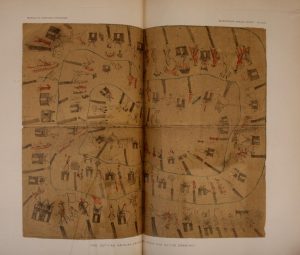
Calendar History of the Kiowa Indians

Annual Calendar of the Kiowa

The Calendar History of the Kiowa Indians, authored by James Mooney, is an ethnographic work spanning over 300 pages. It features an in-depth analysis of Kiowa calendars, a detailed tribe sketch, military and trading posts, and a glossary of the Kiowa language. Unique to the Kiowa, the calendars include both summer and winter events for 60 years, alongside a rare monthly calendar documenting a personal story. Though meticulous, minor discrepancies in historical details and binding issues are noted. It stands as a crucial resource for understanding Kiowa culture.

Kiowa Apache Indians

The Kiowa Apache Indians, named for their connection to the Kiowa and their dialect, are part of the Athapascan linguistic family. Historically noted by La Salle in the 1680s, they were closely associated with the Kiowa, although briefly detached to join the Cheyenne and Arapaho from 1865 to 1867. Their population, estimated at 300 in 1780, fluctuated due to disease, ultimately rising to 340 by 1937. The Kiowa Apache exemplify integration within another tribe’s social structure.