Powhatan Fishing Customs

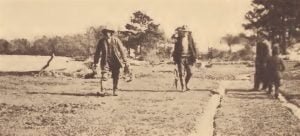
Pamunkey fishermen returning from their nets.

The Powhatan tribes continue to utilize traditional fishing methods, such as fish fences for sturgeon and drift seines for shad, which peak in abundance around the blooming of white violets. Historically, sturgeon were plentiful, but numbers have dwindled significantly. While techniques vary, the tribes emphasize respect for fishing rights and cooperation among fishermen. The use of set-lines for catfish is common, and the tribes maintain their cultural practices, including preferences for stone tools over metal. The river remains a crucial food source for these communities.

Life and travels of Colonel James Smith – Indian Captivities

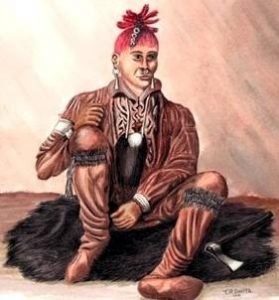
An Artists rendition of James Smith

James Smith, pioneer, was born in Franklin county, Pennsylvania, in 1737. When he was eighteen years of age he was captured by the Indians, was adopted into one of their tribes, and lived with them as one of themselves until his escape in 1759. He became a lieutenant under General Bouquet during the expedition against the Ohio Indians in 1764, and was captain of a company of rangers in Lord Dunmore’s War. In 1775 he was promoted to major of militia. He served in the Pennsylvania convention in 1776, and in the assembly in 1776-77. In the latter year he was commissioned colonel in command on the frontiers, and performed distinguished services. Smith moved to Kentucky in 1788. He was a member of the Danville convention, and represented Bourbon county for many years in the legislature. He died in Washington county, Kentucky, in 1812. The following narrative of his experience as member of an Indian tribe is from his own book entitled “Remarkable Adventures in the Life and Travels of Colonel James Smith,” printed at Lexington, Kentucky, in 1799. It affords a striking contrast to the terrible experiences of the other captives whose stories are republished in this book; for he was well treated, and stayed so long with his red captors that he acquired expert knowledge of their arts and customs, and deep insight into their character.

Yuchi Fishing

Fig. 6 Bundle of Poisonous Roots

Fishing is integral to Yuchi life, as they reside near rich waterways. They employ unique methods, notably the use of poisonous roots from devil’s shoestring to stun fish, which are then collected and shared communally. During gatherings in July and August, families entrap fish by poisoning pools and celebrating their catch. The Yuchi also utilize fishing arrows and traditional traps, showcasing diverse techniques in their fishing practices. The methods reflect a deep connection to their environment and communal living.

Fish and Fish Products of Washington

In western Washington, the fish resources have been a vital yet underexplored asset. Indigenous peoples, particularly around Cape Flattery, engaged in whale fishing, notably during the 19th century. The region boasts diverse fish species such as cod, halibut, and salmon, with fisheries emerging in Mukilteo and Tacoma. Herring and candlefish also contributed to local economies. The establishment of regulations aimed to sustain these fish stocks. Additionally, shellfish, particularly oysters and clams, played a crucial role in both indigenous diets and the burgeoning market economy, reflecting the area’s rich aquatic heritage.