
Use Of Tobacco Among North American Indians
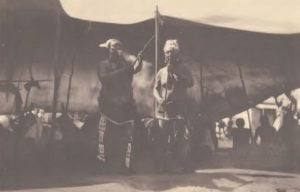
Pawnee Priests Making a Smoke Offering

Tobacco, an essential cultural and spiritual element, originated in the Americas and was integrated into the lives of Native North Americans long before European contact. It played vital roles in rituals, ceremonies, and daily life, with various tribes employing diverse species of Nicotiana. Smoking methods varied, with pipes and mixtures often used, while chewing practices are less clearly traced to Indigenous origins. The use of tobacco extended beyond personal use to encompass significant ceremonial functions, underscoring its deep-rooted significance in Indigenous cultures across the continent.
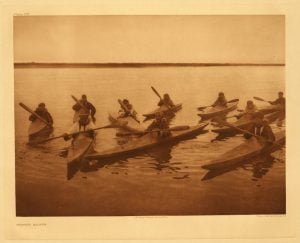
Eskimos

Noatak kaiaks

The Eskimos, primarily inhabiting the harsh coastal regions stretching from Greenland to Bering Strait, exhibit a distinct culture marked by common language and physical traits, though they often appear uncouth to outsiders. Early European accounts reveal a violent history of encounters with these “savages,” who, despite their initial hostility, often displayed warmth and gentleness upon overcoming suspicion. Their dwellings, primarily snow huts, are ingeniously constructed, while their diet consists mainly of sea and land animals. They rely heavily on dogs for transportation and hunting, reflecting a life of adaptability amid extreme conditions.