Apushamatahah – A Choctaw Chief

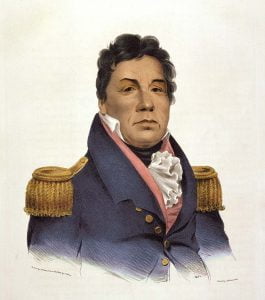
Push-ma-ta-ha. Chactan (Choctaw) Warrior, from History of the Indian Tribes of North America

Apushamatahah, a prominent Choctaw chief born around 1764, gained fame as a skilled warrior and hunter. His early life was marked by adventurous buffalo hunts in the uncharted forests west of the Mississippi. After surviving a severe defeat by the Callagehahs, he vowed revenge, executing several raids against them and collecting scalps. Apushamatahah’s desire for retribution remained strong following the destruction of his home by Muskogees, leading him to retaliate decisively. He later commanded a war party of 800 Choctaws in the Creek War of 1812.
Memoirs of the LeFlore Family

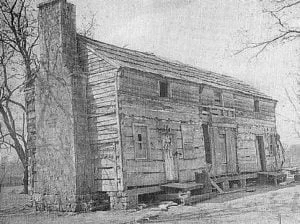
The Old Farm House: The Pioneer Home of a Choctaw Chief, Leflore, and of the Oak Hill School

The Cravat and LeFlore families are significant figures among the Choctaws. John Cravat, a Frenchman, integrated into the community through marriage, fathering notable descendants. Major Louis LeFlore and his brother Michael, also of French descent, played crucial roles in the Choctaw Nation, with Louis becoming a respected chief. Their lineage boasts influential figures, including Basil LeFlore, renowned for his moral integrity and public service. The families contributed to the cultural and historical landscape of the Choctaws, persisting as prominent citizens within the nation.

Memoirs of the Durant and Crowder Families

The Durant family, led by Louis Durant, arrived in the Choctaw Nation around 1770 alongside the LeFlore brothers. Louis married a Choctaw woman, and they had five children, including sons who fought in the Creek War of 1812. Margaret, one of Louis’s daughters, married Eli Crowder, known as Muscokubi for his battlefield prowess. Crowder lived to 102 and had multiple wives and children. Notably, his son Louis became a respected interpreter in the Choctaw Nation, illustrating the family’s prominence and contributions within their community.

Choctaw Nation and the Greer County Dispute

1818 Melish Map of the United States

The dispute over Greer County involves the Attorney General of the United States challenging Texas’s claims based on the 1819 Adams-Onís Treaty, which established boundaries between the U.S. and Spain. Despite the treaty, Texas has asserted jurisdiction over the territory in violation of U.S. treaty rights. The case seeks judicial clarification of whether the disputed land falls under U.S. or Texas authority, emphasizing historical claims stemming from significant early treaties and ongoing tensions regarding territorial rights and ownership.

Charles Montezuma

The story of Charles Montezuma illustrates the intellectual potential and moral integrity present among North American Indians. Rescued from an Apache camp and adopted by a Chicago photographer, Montezuma thrived as a scholar and gentleman, graduating high school with distinction. He is pursuing a medical career, showcasing a rejection of savage stereotypes imposed by white society. The post emphasizes that Native Americans have produced notable figures in history, challenging the perception of their inferiority with examples of their capability and resilience.

The Meeting in 1811 of Tecumseh and Apushamatahah

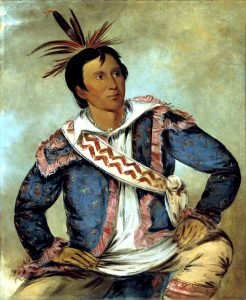
Peter Perkins Pitchlynn was the Choctaw Principal Chief from 1864-1866

In 1811, Tecumseh, the Shawnee leader, met with Apushamatahah, a prominent Choctaw chief, to rally southern tribes against American encroachment amidst looming war between the U.S. and England. Tecumseh passionately urged unity against their common foe, warning of the dire consequences of inaction. Apushamatahah countered with a call for prudence, advocating for peaceful measures. Ultimately, the council resulted in favoring American alliance, thwarting Tecumseh’s ambitions. This pivotal meeting highlighted the contrasting strategies of the two influential leaders, shaping tribal responses during a critical historical period.