History of Windham New Hampshire

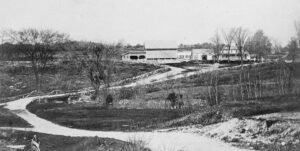
Residence of William H Anderson of Windham, New Hampshire

Leonard A. Morrison’s *The History of Windham, New Hampshire*, published in 1883, chronicles the town’s evolution from early settlements in the 18th century to the late 19th century. It highlights Windham’s roots in the Scotch-Irish Londonderry community and examines various aspects of local life, including land grants, education, and political developments. The work also documents significant historical events and includes extensive genealogies of the area’s early settlers and their descendants, drawing from comprehensive local records and archives.

Mrs. A. S. Quinton and the Women’s National Indian Association

Mrs. A. S. Quinton, president of the Women’s National Indian Association, addressed a conference highlighting the need for Indian land reform and citizenship. She emphasized the abolition of the reservation system, advocating for individual rights and protections for Native Americans. Quinton expressed support for recognizing the readiness of New York Indians for citizenship and called for the responsible distribution of funds to tribes. She underscored the importance of Christian missions in promoting genuine relations with God, advocating for undenominational work to further evangelization efforts among Indigenous peoples.

Biography of Henry Edward Reece, M. D.

Dr. Henry Edward Reece, born December 27, 1877, in Jefferson, Iowa, was a prominent physician in Thayer, Kansas. After graduating from the University Medical College of Kansas City in 1900, he practiced medicine across Oklahoma and Kansas before settling in Thayer in 1911. Renowned for his dedication to medical ethics, Dr. Reece maintained a flourishing practice, contributing significantly to the community’s health. He was active in several medical societies and fraternal organizations. Dr. Reece married Elizabeth Quinton in 1901, and they had two children, Halley and Ethel.