1910 Peoria Census

1910 Peoria Census - (1)

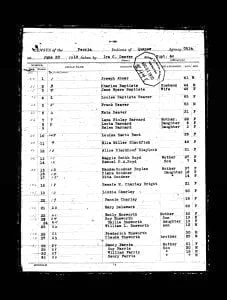
Pages of the 1910 Peoria Census. Contains table showing the previous roll number, current roll number, Indian name if given, English name if given, Relationship, Age, and Sex. Also contains the original images of the census.

Murdock Family of Norwich Vermont

Hon. Thomas Murdock moved to Norwich from Connecticut in 1767, marrying Elizabeth Hatch and raising a family that included six children. Prominent in local affairs, he held various positions before his death in 1803. His sons, Asahel and Constant, were active voters, with Asahel eventually returning to Connecticut. Jasper, also a son, built an impressive residence at Norwich Plain. The estate changed hands over the years, influencing the town’s development, and remnants of it, including a fish pond, remain part of its history.

History of the Merchants of Norwich VT

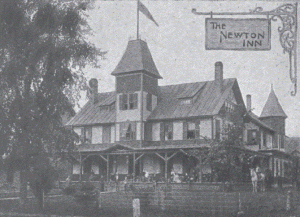
Newton Inn, Vermont

Peter Olcott operated a store in Norwich during the Revolutionary War, followed by Stephen Burton and Ichabod Marshall, early merchants who later moved west. The late 18th and early 19th century saw various merchants such as George Woodward, William Little, and Elias Lyman establishing businesses in the region. The mercantile landscape evolved with partnerships and new firms, including the Olds, Newton, and Lyman firms, adapting through various challenges, such as fires, until the late 19th century, reflecting Norwich’s commercial development.

History of the Industries of Norwich VT

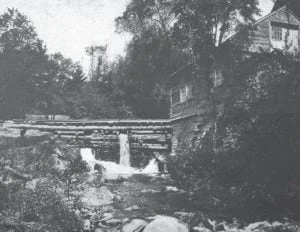
Knapp’s Mill, Norwich, Vermont

The industries of Norwich, VT, while not extensive, have displayed diverse characteristics since the late 18th century. Early establishments included grist and saw mills along Blood Brook, with ownership changing hands over the years. Other ventures featured tanneries, harness and trunk making, and the production of potash and furniture. Notable craftsmen, such as blacksmiths and boot makers, contributed to the local economy. Over time, businesses evolved, leading to the establishment of a creamery in 1888, which later became part of Hood Co.

Postmasters and Postal Service in Norwich Vermont

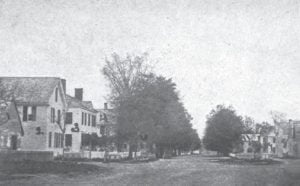
Norwich Vermont Street Scene

Norwich, Vermont, established its first post office on July 1, 1805, with Jacob Burton as postmaster. Operating from his harness shop, he managed limited mail, receiving only two weekly deliveries. By contrast, the volume of mail handled today far surpasses that of early 19th-century Vermont, and the postal system has evolved significantly since the state’s admission to the Union in 1791. Over the years, additional post offices were created throughout the area, reflecting the growth and changing needs of the community.

History of Norwich Vermont Education

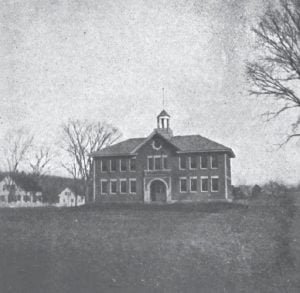
High School Building, Norwich Village, Erected in 1898

The history of education in Norwich, Vermont, traces back to efforts in 1782 to establish school districts. The first successful division occurred in 1785, creating the First School District. Over the years, multiple districts were formed, with the establishment of a committee for school supervision in 1824. Notable developments included the construction of a brick schoolhouse in 1845 and the incorporation of the Norwich Classical and English Boarding School in 1867, although it ultimately closed in 1877. The town’s education framework evolved significantly, culminating in a unified system in 1892.