
The Meeting in 1811 of Tecumseh and Apushamatahah
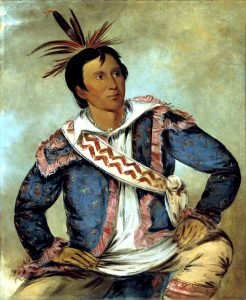
Peter Perkins Pitchlynn was the Choctaw Principal Chief from 1864-1866

In 1811, Tecumseh, the Shawnee leader, met with Apushamatahah, a prominent Choctaw chief, to rally southern tribes against American encroachment amidst looming war between the U.S. and England. Tecumseh passionately urged unity against their common foe, warning of the dire consequences of inaction. Apushamatahah countered with a call for prudence, advocating for peaceful measures. Ultimately, the council resulted in favoring American alliance, thwarting Tecumseh’s ambitions. This pivotal meeting highlighted the contrasting strategies of the two influential leaders, shaping tribal responses during a critical historical period.

Slave Narrative of Frank Cannon

Frank Cannon, interviewed by Miss Irene Robertson in Palestine, Arkansas, reflects on his life as a slave born on a farm in Mississippi. His family, purchased from a speculator, was brought from South Carolina. He recounts life on the plantation, including the absence of formal education, communal meals, and the supervision of a white preacher. Cannon describes his father’s blacksmith work and the varying treatment among slaves. He observes changes in children’s behavior and concludes that while conditions varied, some were treated well, while others faced cruelty.

Biography of Charles R. Freeman

Charles R. Freeman, born on November 8, 1875, in Clay County, Mississippi, has been a prominent attorney in Checotah since 1902. He graduated from the Iuka Normal Institute and the University of Mississippi, earning his LL.B. in 1901. After practicing briefly in Starkville, he established a successful law practice in Checotah. Beyond law, Freeman is involved in banking and agriculture, owning extensive farmland. Married to Eunie V. McCafferty, he is active in community services and supports the Democratic Party, exemplifying strong citizenship in his locale.