
The Chickasaws

The history of the Chickasaw Indians, marked by conflict and resistance against European invaders, reflects the tragic narrative of many Native American tribes. Their initial encounter with Hernando De Soto in 1540 initiated a series of violent confrontations, highlighting their bravery amidst overwhelming odds. Despite being labeled “savages” by their conquerors, the Chickasaws showcased remarkable patriotism and valor. Their rich cultural legacy and the injustices they faced remain largely unchronicled, serving as a reminder of the complexities surrounding the interactions between Native Americans and European settlers.
Indian Mounds throughout North America

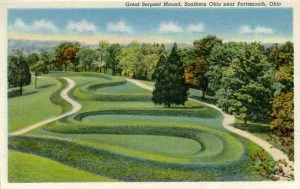
Great Serpent Mound Postcard

The region surrounding Lake Michigan was historically inhabited by skilled mound builders, including the Wyandots and Six Nations, who buried their deceased with treasures beneath earthen mounds. Excavations across North America, from Tennessee to Georgia, have uncovered European artifacts, suggesting cultural exchanges with early explorers. Similarities in mound structures and burial practices link the mound builders to contemporary Native American tribes. Mounds served varied purposes, including memorials and fortifications, reflecting the complex social practices of these ancient communities throughout the continent.

The Discovery Of This Continent: It’s Results To The Natives

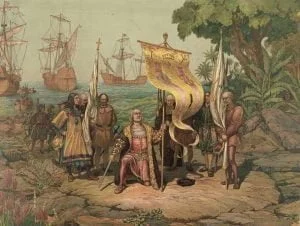
Columbus Landing on Hispaniola

In 1470, Christopher Columbus married Dona Felipa, daughter of a renowned navigator, and settled in Porto Santo, where they shared dreams of discovering lands to the West. Their ambitions fueled Columbus’s determination, leading to his 1492 voyage that resulted in the European discovery of the Americas. However, this event marked the beginning of devastation for native peoples, introducing warfare, disease, and colonization that would decimate their populations and cultures, ultimately transforming their rich, diverse societies into shadows of their former selves.