Black Hawk’s War – Indian Wars

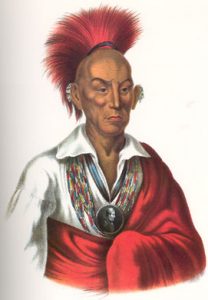
Black Hawk

The events of Black Hawk’s War brought the esteemed Sauk leader, Black Hawk, into the national spotlight. Born around 1767, he became a renowned warrior, leading successful campaigns against rival tribes. Tensions escalated after a controversial treaty in 1804 led to increased violence against the Sacs and Foxes. In 1832, after a series of conflicts following the death of several Indians, Black Hawk led his people in resistance, but ultimately faced defeat. Following his surrender, he was taken to Washington, gaining respect and recognition before his death in 1838.

Illinois Indian Land

Black Hawk

Black Hawk, also known as Makataimeshekiakiah, was a prominent Sac chief during a tumultuous period of conflict between Native Americans and settlers in the early 19th century. As white settlers encroached on their lands in Illinois, Black Hawk resisted forced removal despite a treaty signed by rival chiefs. His efforts culminated in the Black Hawk War, marked by skirmishes and a tragic final battle. After his eventual surrender and a period of captivity, he lived peacefully until his death in 1838, culminating in a notorious burial and the subsequent theft of his remains.

Biography of Eugene F. Skinner

Eugene F. Skinner, born on September 13, 1809, in New York, was a prominent figure in Lane County, Oregon. He arrived in Oregon in 1846, establishing a homestead that became Eugene City. A dedicated public servant, Skinner held various positions, including postmaster and clerk of the courts, and was known for his generosity towards settlers and needy emigrants. He passed away on December 15, 1864, leaving a lasting legacy in the community. His wife, Mary, later contributed to naming Eugene City in his honor.

Biography of George B. Keeler

George B. Keeler, born February 7, 1850, significantly influenced Bartlesville and Washington County’s development. Moving to the region in 1872, he became a member of the Cherokee tribe and utilized his understanding of tribal languages and customs to bridge the gap between Native American and modern cultures. His business ventures included trading, farming, and co-founding a mercantile firm, contributing to the region’s commercial and economic growth. Keeler also played key roles in oil leasing and local banking, earning a reputation for integrity and community leadership.