
Choctaw Traditions – The Council Fire, The Nahullo

The Choctaw and Chickasaw tribes traditionally exhibited smooth faces, lacking beards, a trait that indicated full Native ancestry. Their council meetings, known as “The Council Fire,” emphasized order and respect, with elders recounting the tribe’s history and traditions. Central to their lore are the mammoths and the Nahullo, a race of giants believed to have once inhabited Mississippi. Despite skepticism from outsiders regarding their traditions, archaeological findings have validated aspects of their rich oral history, reinforcing the accuracy of their ancestral accounts.
Mission’s Among the Southern Indians

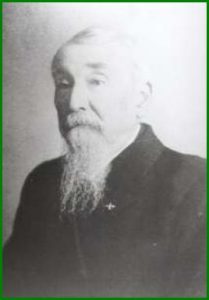
Reverend Hugh Wilson

In 1819, the Synod of South Carolina initiated a mission among Southern Indians, focusing on the Chickasaws. Rev. David Humphries and Rev. T. C. Stewart initially sought permission to establish a mission, which was granted by the Chickasaw king in 1820. Stewart, the sole missionary, founded Monroe Station in 1821, accompanied by two families. This mission became a pivotal center for education and Christianity, significantly influencing the Chickasaw community, fostering future leaders and laying the groundwork for their ongoing civilization.

Slave Narrative of Bert Luster

Bert Luster, born in 1853 in Watson County, Tennessee, recalls his life as a slave under Masters Astern. He details the daily tasks and the relative kindness of his owners compared to others who faced harsher treatment. Luster describes his post-slavery life, including marrying and raising children, along with his success as a farmer in Oklahoma. He reflects on his experiences with the Ku Klux Klan and emphasizes the importance of education, faith, and community while expressing gratitude for the end of slavery.

Slave Narrative of Francis Bridges

Francis Bridges, born in 1864 in Red River County, Texas, shares memories of his life as an enslaved person under Master Travis Wright. He recalls the everyday diet and living conditions, including sleeping in corded beds within a log hut. He speaks of harsh treatment, including witnessed beatings and the fear instilled by the Ku Klux Klan. Post-emancipation, Bridges worked hard in the fields and reflects on family ties and community life after slavery, expressing admiration for historical figures like Abraham Lincoln and Booker T. Washington.

Biographical Sketch of Miller Green

Miller Green, born in 1837 in Texas, moved to Greenville with his family as a child. He married Ophelia Cole, the daughter of a prominent pioneer, in 1867. A respected community member, Green served as a Texas Ranger and fought in the Confederate army under General Ross. After the war, he successfully engaged in farming and stock raising. A dedicated taxpayer, he actively supported local schools and community improvements, embodying the values of a responsible citizen and Democrat.

Biography of Warner E. Williams

Warner E. Williams, born on May 29, 1864, in Houston, Texas, played a pivotal role in the development of the Missouri, Kansas, Texas Railroad. Starting his career in 1881 as a check clerk, he steadily advanced through various positions over thirty-five years, including roles as superintendent and general manager. His tenure included significant contributions while based in Parsons, Kansas, where he oversaw the operations of a major railway system before returning to Dallas. Williams exemplifies a dedication to the railroad industry throughout his remarkable career.

Emmons, Charlie – Obituary

Charlie Emmons, 98, passed away on August 25, 2005, in Texas. A former resident of Baker City, he was married to Erma for 70 years and cared for her throughout her blindness. Charlie worked at Dentlers Potato Chip Co. and later became a machinist. He was dedicated to his family, regularly supporting them and celebrating milestones, including their 55th wedding anniversary in Hawaii. He is survived by his daughters, grandchildren, and great-grandchildren, leaving behind cherished memories and a profound family legacy.