
The French and Indian War from 1754 to 1759 – Beaver Wars
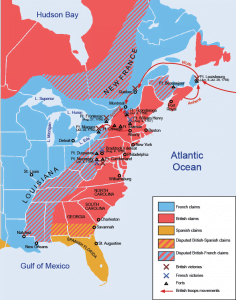
Map of French and Indian War

Following the conclusion of the peace in 1748, France sought to expand its territory westward in North America by constructing forts linking the St. Lawrence and Mississippi rivers. The English, alarmed by these actions, organized the Ohio Company to assert claims to western lands. Tensions escalated when French forces captured British traders, leading to conflicts involving both colonial and Indigenous forces. This set the stage for the French and Indian War, marked by George Washington’s early military engagements and the subsequent establishment of Fort Necessity, igniting wider hostilities in the region.

Treaty of September 3, 1822

On September 3, 1822, a treaty was signed at Fort Armstrong between Thomas Forsyth, the U.S. Agent of Indian Affairs, and the chiefs of the United Sac and Fox Tribes. This agreement resulted in the abrogation of a prior treaty clause requiring the U.S. to establish a trading house for the tribes, as the tribes accepted $1,000 in merchandise from the U.S. Instead, they released the United States from any obligations related to this provision. The document was witnessed by military personnel and other individuals present.

Treaty of September 15, 1832

On September 15, 1832, a treaty was signed at Fort Armstrong between the United States and the Winnebago nation. The Winnebago ceded land east of the Wisconsin River, receiving in return monetary compensation, educational support for their children, and agricultural assistance. The agreement included a requirement for relocation by a specified date and obligations related to the prosecution of certain individuals. This treaty aimed to establish a framework for peaceful coexistence while addressing the needs of the Winnebago people after their land loss.